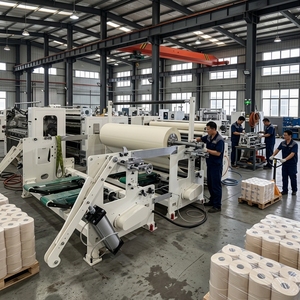
Featured OEM Solutions
Top-Performing Tissue Converting Equipment
Engineered for high line efficiency, minimal fiber degradation, and rapid product changeovers.
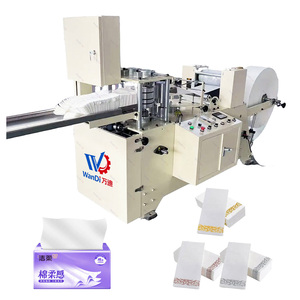
Best Sale Restaurant Toilet Paper & Napkin Machine Equipment
View Specifications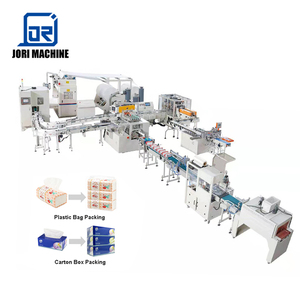
Automatic V Fold Facial Tissue & Hand Towel Processing Line
View Specifications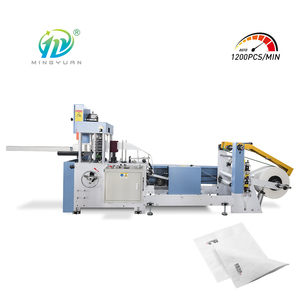
High-Efficiency Automatic Napkin & Toilet Paper Converting Unit
View Specifications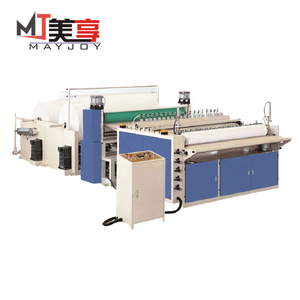
Compact Enterprise Toilet Paper Machine Production Line
View Specifications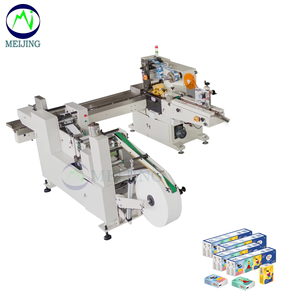
Full Automatic Mini Pocket Handkerchief Tissue Folding Machine
View Specifications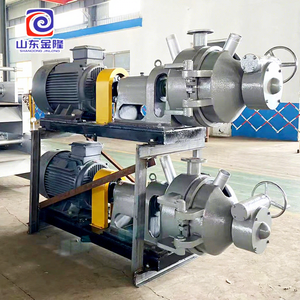
Double Disc Pulp Refiner for Recycled Tissue Paper Refining
View Specifications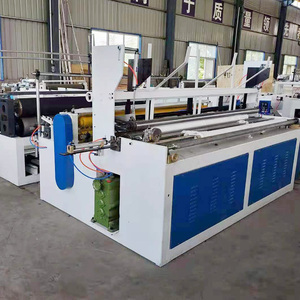
Industrial High-Speed Toilet Paper Production Line Equipment
View Specifications
Manufacturing Benchmark
Why Tier-1 Converters Partner with Andina Heavy Tissue Machinery
30+ years of heavy-duty machine engineering, state-of-the-art CNC fabrication, and comprehensive global service coverage.
30+
Years Industry Experience (Est. 1993)
160+
Global Export Markets Served
50+
National Patents & ISO/CE Certifications
300+
Engineering Specialists across 3 Facilities
Executive Whitepaper: Evaluating Top Chinese Tissue Machine Suppliers for Maximum Operational ROI
The global tissue paper manufacturing and converting landscape is undergoing an unprecedented shift. Driven by rising pulp prices, heightened consumer demand for ultra-soft multi-ply tissue, and strict energy consumption regulations, paper converting enterprises can no longer rely on legacy mechanical machinery. Procurement directors and plant engineers evaluating top China tissue machine equipment suppliers must look beyond basic capital expenditure (CAPEX) and analyze Total Cost of Ownership (TCO), kinematic precision, servo-axis integration, and fiber-saving embossing mechanics.
China has firmly established itself as the world’s hub for high-efficiency, cost-effective tissue converting machinery. However, discerning wholesale suppliers from true original equipment manufacturers (OEMs) with in-house CNC machining and engineering capacity requires deep technical evaluation. This industry whitepaper outlines key equipment paradigms, technology trends, energy efficiency metrics, and procurement strategies to guide B2B buyers toward optimal equipment selection.
Key Technical Insight: Modern automated tissue machinery relies on electronic motion control (multi-servo synchronization) rather than traditional mechanical line shafts. This shift reduces mechanical wear by up to 65%, eliminates gearbox backlashes, and cuts grade-changeover downtime from 4 hours to under 20 minutes.
1. Technological Advancements in Tissue Paper Machinery
To remain competitive, modern tissue paper converting machinery incorporates several core technological innovations that directly impact operational yield and finished product quality:
Full Servo Drive Kinematics
Replaces mechanical gear trains with independent multi-axis servo motors (Siemens/Mitsubishi). Ensures millisecond-level synchronization during rewinding, log saw cutting, and film wrapping.
3D Micro-Nested Embossing
Steel-to-rubber and steel-to-steel embossing rollers utilize CNC laser engraving. Creates superior bulk density and tactile softness while using lower GSM tissue sheets.
Closed-Loop Tension Control
Pneumatic load cells continuously monitor web tension from the parent roll unwinder. Prevents sheet breaks, even when processing lower-tensile recycled virgin pulp blends.
For high-capacity production lines, such as full automatic toilet paper roll making systems and industrial facial tissue folders, web control stability is paramount. When unwinding parent rolls at linear speeds exceeding 200–800 meters per minute, minor fluctuations in paper tension cause sheet tears, leading to unplaned line stoppages. Advanced Chinese manufacturers like Andina Heavy Tissue Machinery S.A. mitigate this issue by incorporating dynamic web-steering systems and automatic surface-rewinding rollers with variable pressure control.
2. Future Purchasing & Automation Trends in B2B Sourcing
As retail tissue brands transition toward sustainable packaging and flexible product formats, equipment buyers must ensure their prospective production machinery supports future market demands. The following macro trends are defining tissue machine procurement for 2025–2030:
A. E-Commerce and Soft-Pack Boom: Traditional hard-box facial tissues are increasingly being replaced by flexible, plastic soft-packs and eco-friendly paper wrap formats. Converting equipment must be capable of seamless adaptation, supporting both cardboard boxing and high-speed flow-wrapping on the same downstream packaging line.
B. Energy-Efficient Fiber Refining for Recycled Pulp: With virgin pulp prices fluctuating globally, tissue converters are incorporating higher percentages of recycled fibers (deinked pulp). Processing recycled paper requires double-disc refiners with specialized disc blade geometries to increase fiber bonding strength without over-refining and shortening fibers. Chinese manufacturers are supplying integrated stock preparation equipment alongside converting machines to provide end-to-end lines.
C. Industry 4.0 IoT Remote Diagnostics: International buyers often express concern regarding overseas technical support. Modern Chinese machinery addresses this by embedding industrial IoT gateways into PLC control cabinets. Real-time data regarding motor temperature, blade wear on log saws, pneumatic pressure, and OEE (Overall Equipment Effectiveness) is streamed to cloud platforms, enabling remote troubleshooting and predictive maintenance by factory engineers in real time.
Procurement Strategy Rule: Always verify that a supplier’s machinery utilizes non-proprietary, globally available electrical components (e.g., Schneider electrics, Sick sensors, SKF bearings). This guarantees that routine maintenance parts can be sourced locally without long international shipping delays.
3. Step-by-Step Technical Evaluation of Machinery Suppliers
When sourcing tissue making equipment from China, overseas buyers should conduct rigorous technical vetting across four core manufacturing competencies:
1. Heavy Frame Machining & CNC Milling Depth: High-speed converting equipment generates significant vibration. Machinery built on light structural steel frames vibrates excessively above 400 m/min, degrading embossing registration and causing premature bearing failure. Premium manufacturers utilize wall plates machined from solid 20mm–30mm steel plates processed on high-precision gantry CNC machining centers.
2. Factory Acceptance Testing (FAT) Protocols: Never purchase machinery evaluated solely under "dry running" conditions (running without paper). Authentic suppliers perform FAT testing using the client’s actual GSM paper stock and target speed for a minimum of 4–8 continuous hours to verify log saw blade sharpening precision, rewinder core drop timing, and pack sealing consistency.
3. Downstream Packaging Integration: Converting paper into folded or rewound logs is only half the battle. Bottlenecks frequently occur at the log saw cutter, roll wrapper, or bundle packer. Working with an OEM capable of delivering a fully synchronized turn-key line guarantees that speed curves match seamlessly across folding, cutting, and wrapping modules.
Procurement FAQ
Frequently Asked Questions by Industrial Buyers
Essential guidance for plant managers, engineering officers, and tissue paper wholesalers.
What are the primary differences between semi-automatic and fully automatic tissue machinery?
+
Fully automatic tissue production lines integrate automatic parent roll loading, web tension control, automatic core feeding, rewinding/folding, log saw cutting, and flow wrapping without manual operator handling. Semi-automatic machines require manual transfer of paper logs to cutting saws or manual feeding into packaging machines. While semi-automatic options require lower initial CAPEX (ideal for small businesses), full automation delivers substantially higher output per shift, lower labor costs, and consistent finished product geometry.
How do I determine the correct machine capacity for my market demand?
+
Machine capacity is determined by parent roll width (e.g., 1200mm to 2800mm), design operating speed (m/min or cuts/min), and finished product GSM/ply. To calculate target output, specify your target shifts per day, paper basis weight (13–22 gsm), and packaging format (e.g., 4-pack vs. 12-pack toilet rolls or 100-sheet facial tissue boxes). Our application engineers provide exact yield projections during technical consultations.
Can a single facial tissue folding line process both virgin and recycled pulp?
+
Yes, provided the machine features independent pneumatic tension adjustments and closed-loop web steering. Recycled pulp typically has shorter fiber lengths and lower tensile strength, requiring precise unwinding tension and adjusted folding blade clearances to prevent tearing during high-speed V-fold or interfolding operations.
What guarantees are provided regarding machine wear parts and electrical components?
+
All equipment built by standard Tier-1 Chinese suppliers uses international brand components (e.g., Siemens PLC, Schneider electronics, NSK bearings, AirTAC pneumatics). Wearing parts such as log saw blades, perforation knives, and suction belts are built from high-alloy hardened steel and are supplied with initial spare parts packages alongside a 12-to-24-month mechanical warranty.
How is overseas machine installation, commissioning, and operator training handled?
+
We provide dispatched field engineers for onsite foundation verification, mechanical assembly, electrical wiring, and commissioning. Additionally, we provide comprehensive training for your local operators covering machine adjustment, blade replacement, error code clearance, and routine lubrication schedules. Remote diagnostics via embedded PLC modules allow instant troubleshooting worldwide.
Request a Custom Engineering Proposal & Factory Quote
Talk directly with experienced tissue machine application engineers. Share your target product type, daily output goals, and floor space layout for a tailored turn-key proposal.
Contact Us