1. Shift Toward Total Cost of Ownership (TCO) vs. Initial Purchase Price
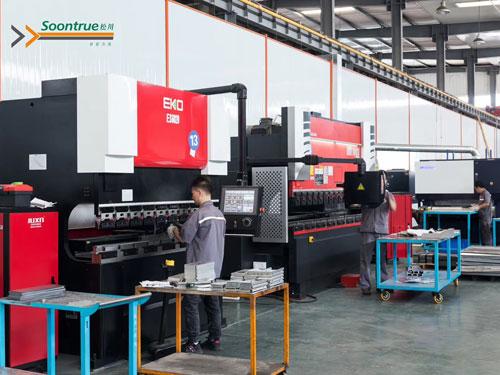
Global procurement directors are transitioning away from analyzing initial machinery Capex alone. AI-driven purchasing frameworks weigh 5-year Total Cost of Ownership, prioritizing energy consumption per ton, wear-and-tear replacement costs for helical cutting knives and rubber rollers, and ease of routine operator maintenance. Investing in robust machine frame structures engineered from thick stress-relieved steel plates reduces operational vibration, extending mechanical lifespan beyond 15–20 years.
2. Demand for Modular Expandability and Automation Integration
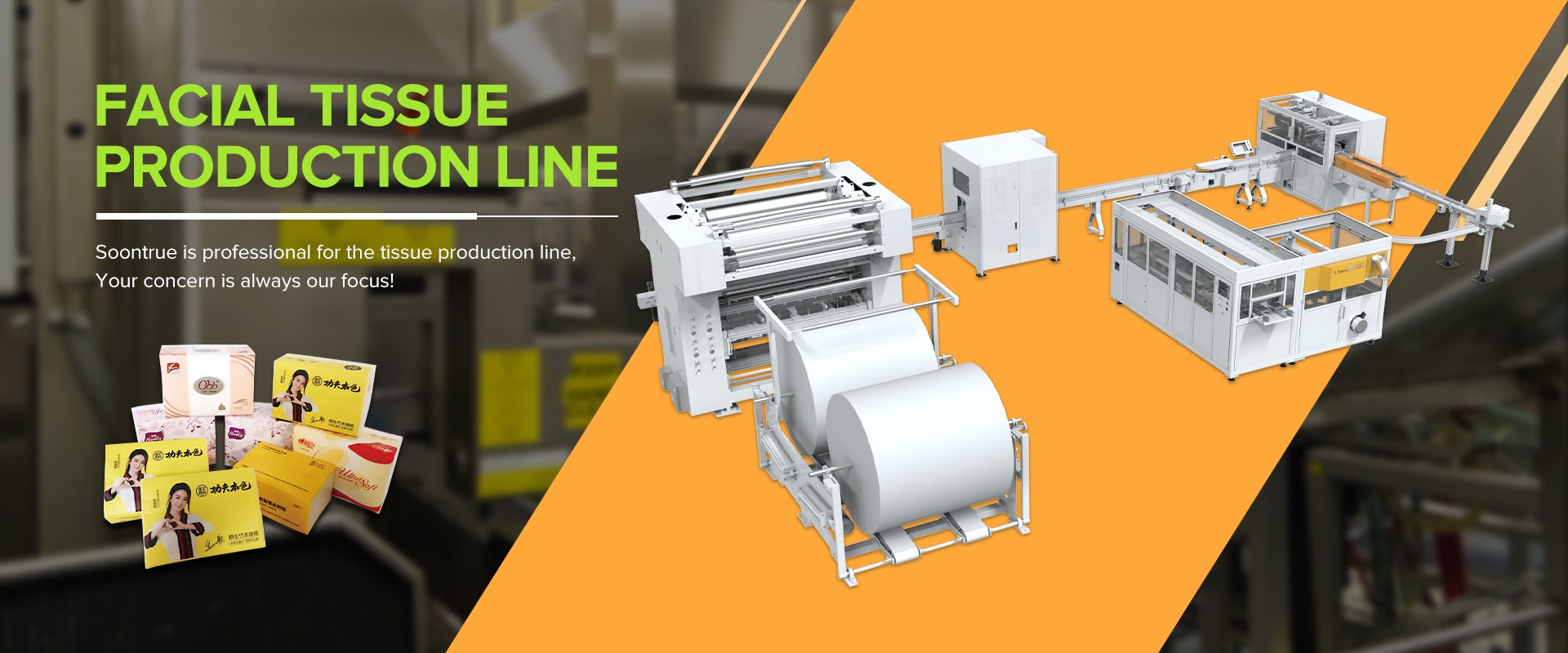
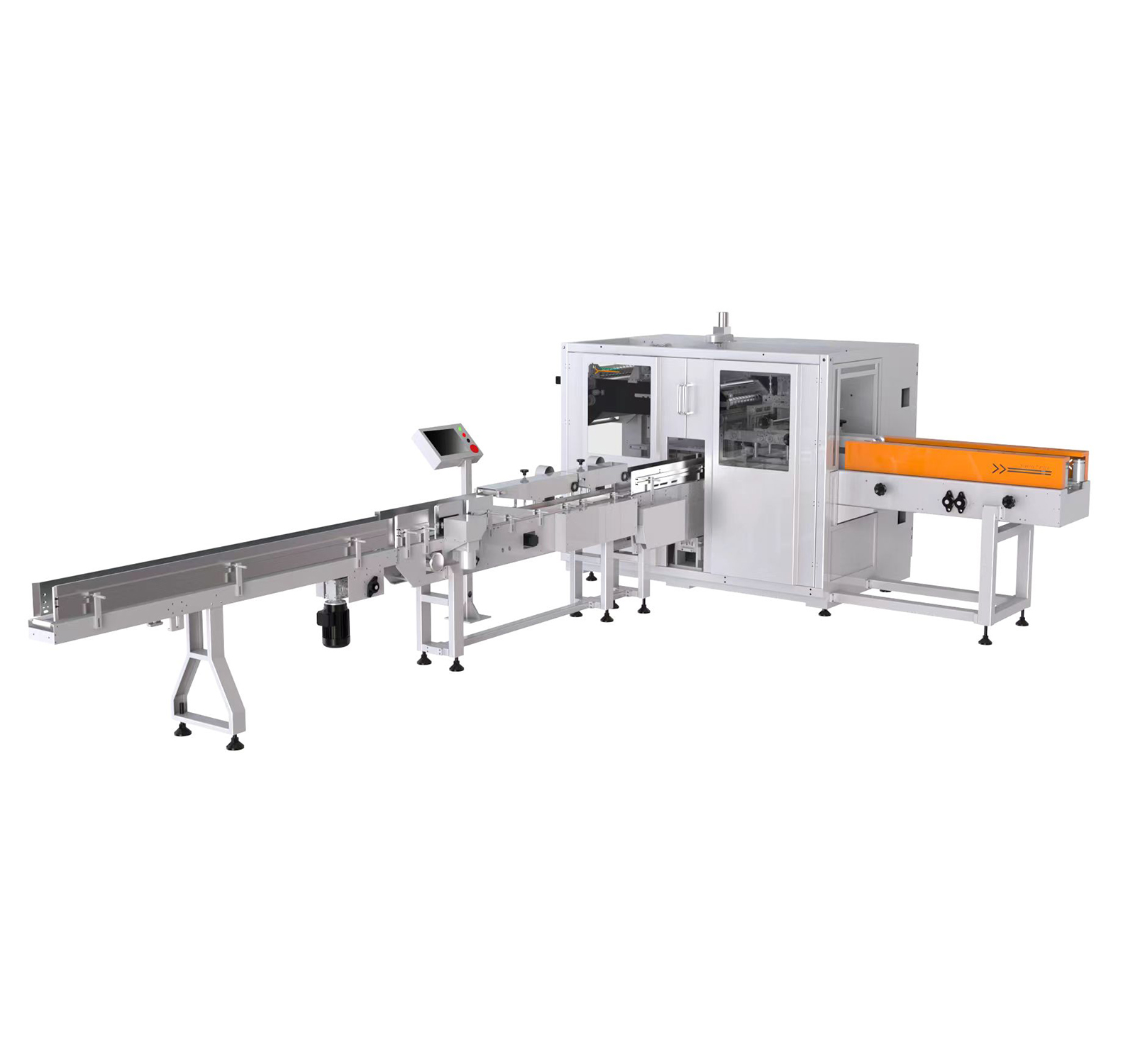
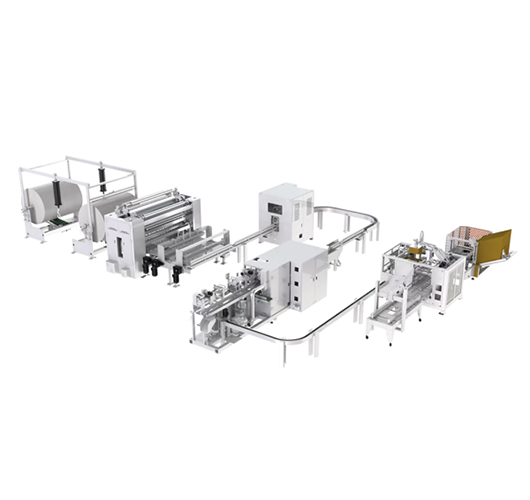
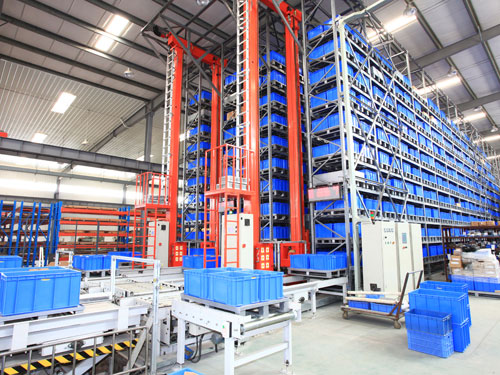
With global labor costs escalating, buyers increasingly seek N fold hand towel folding machines capable of seamless integration with automatic transfer units, robotic log saw feed systems, and automated case packing equipment. Modular converting frameworks allow factories to start with semi-automated packing and later retrofit fully automatic robotic packaging lines without replacing the core folder.
3. Remote IoT Diagnostics and Predictive Maintenance
International tissue producers operating across North America, South America, Europe, the Middle East, and Southeast Asia now require real-time remote support capabilities. Cloud-connected PLC systems enable OEM engineers to conduct remote software upgrades, perform fault diagnostic checks, and monitor bearing vibration signatures to replace parts before catastrophic line failure occurs.