1 / 5

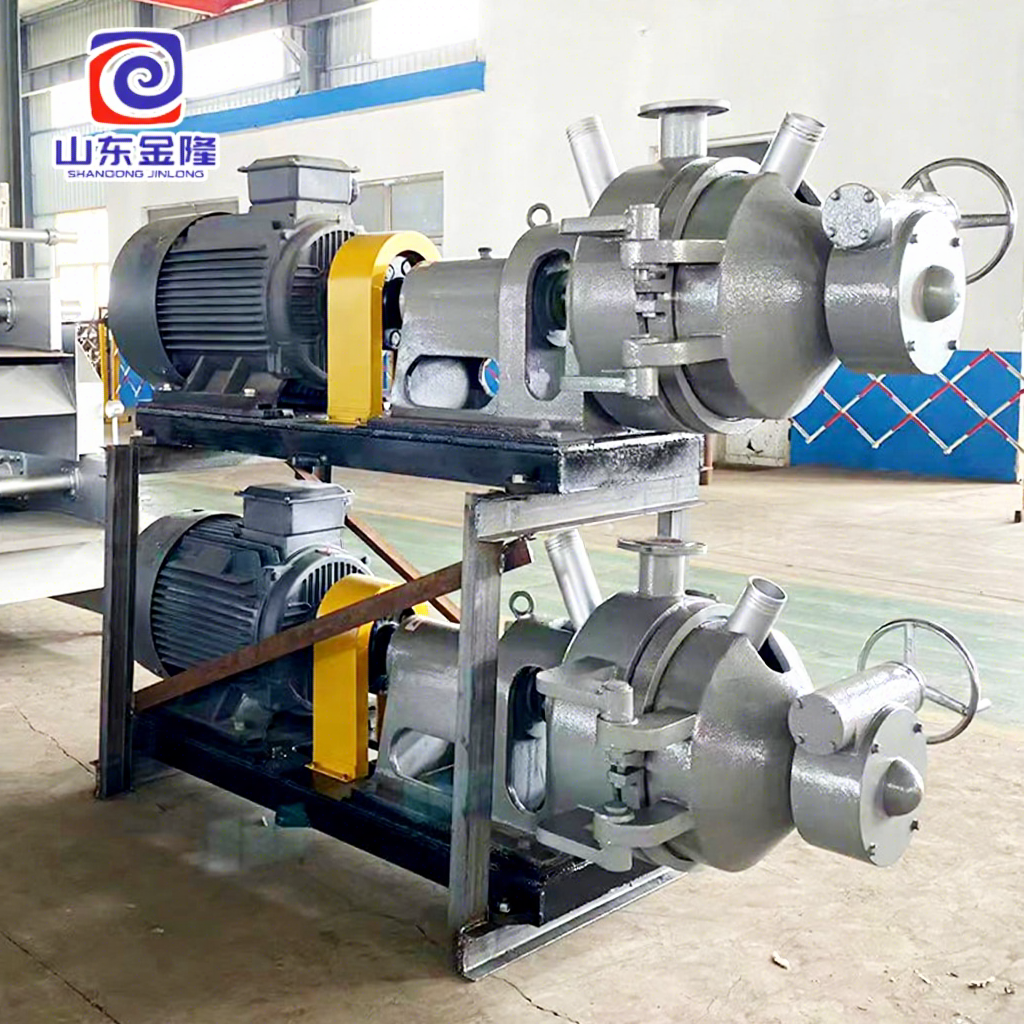
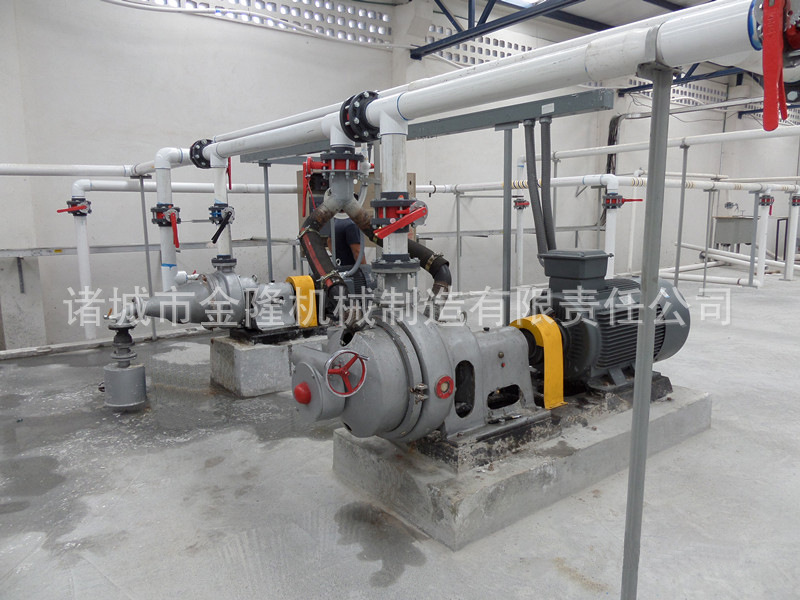
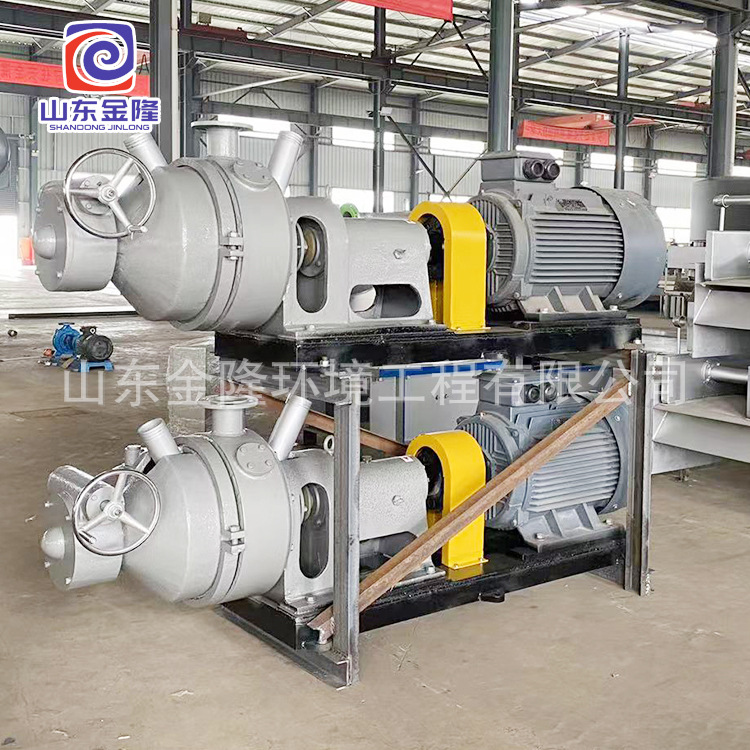
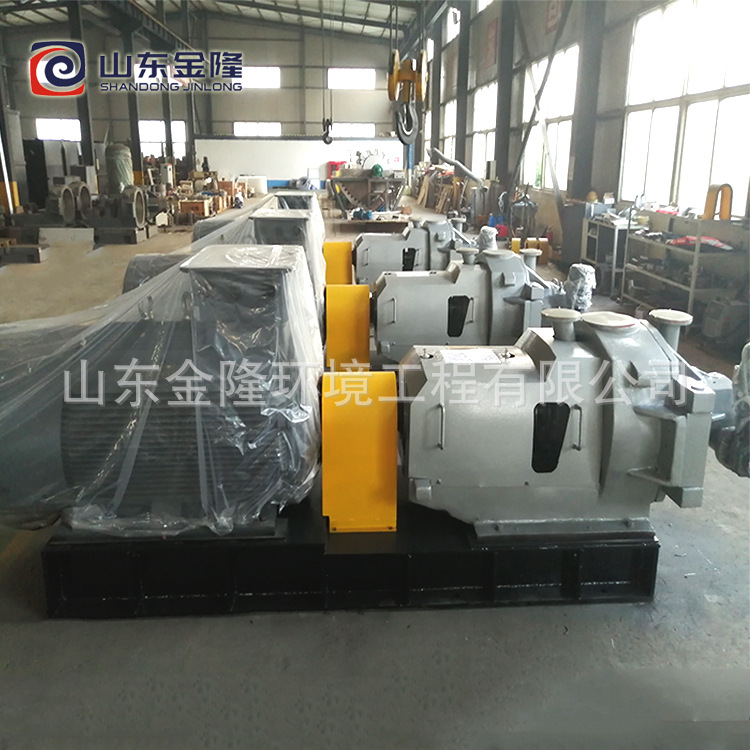
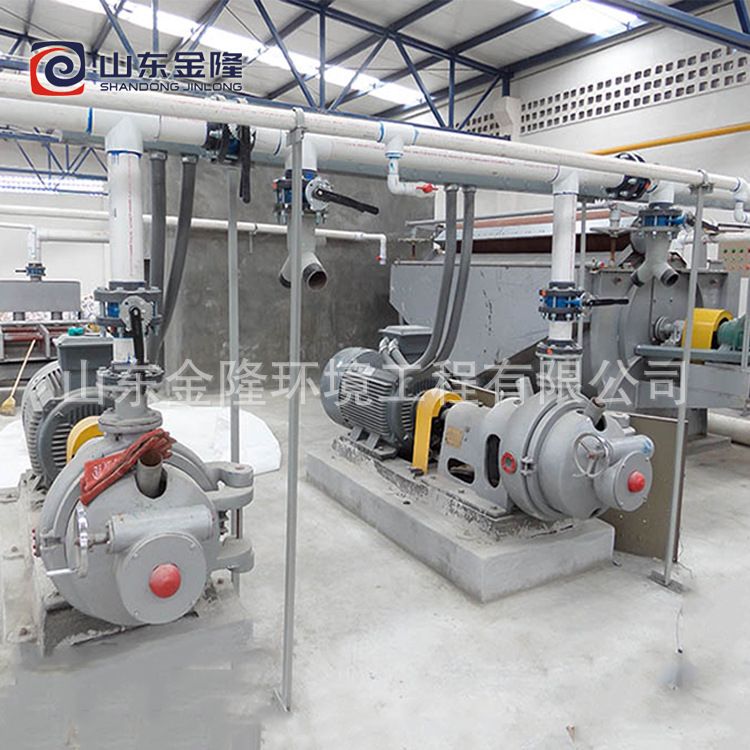
Double disc refiner is core continuous pulping & beating equipment for paper-making industry. It forms two independent refining zones by rotating disc and stationary discs. Pulp flows into the center of refining chamber, under centrifugal force and feeding pressure, fibers get sheared, fibrillated and softened to reach target beating degree, improve paper strength and surface quality.
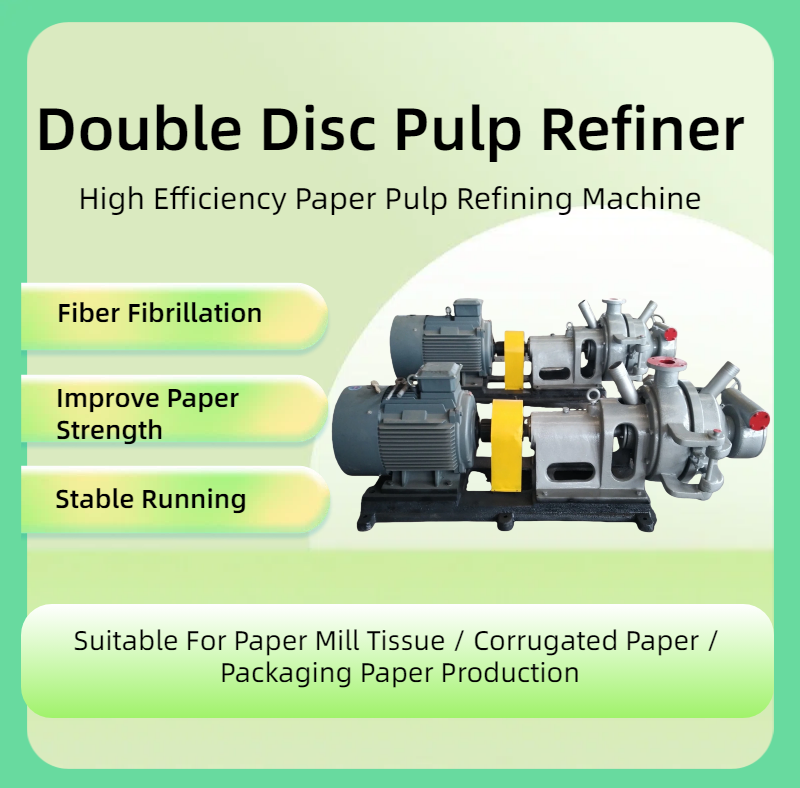
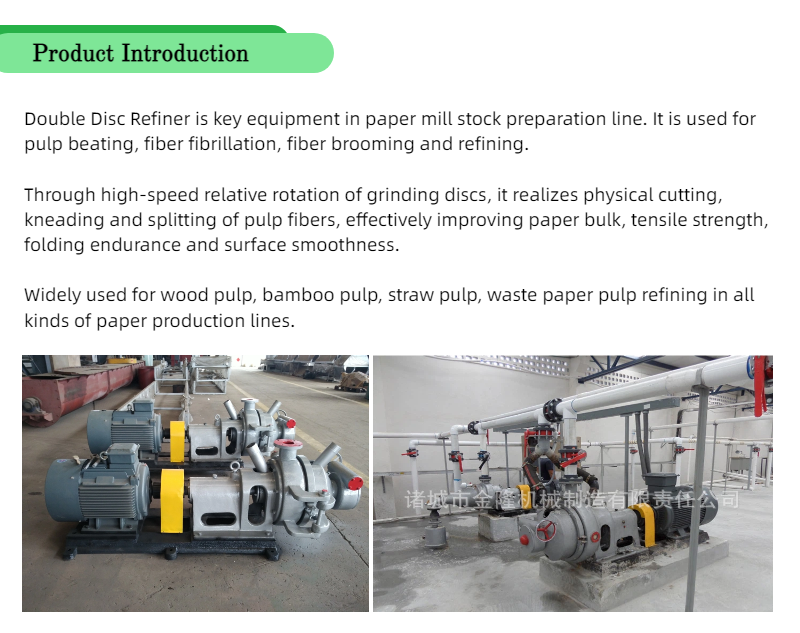
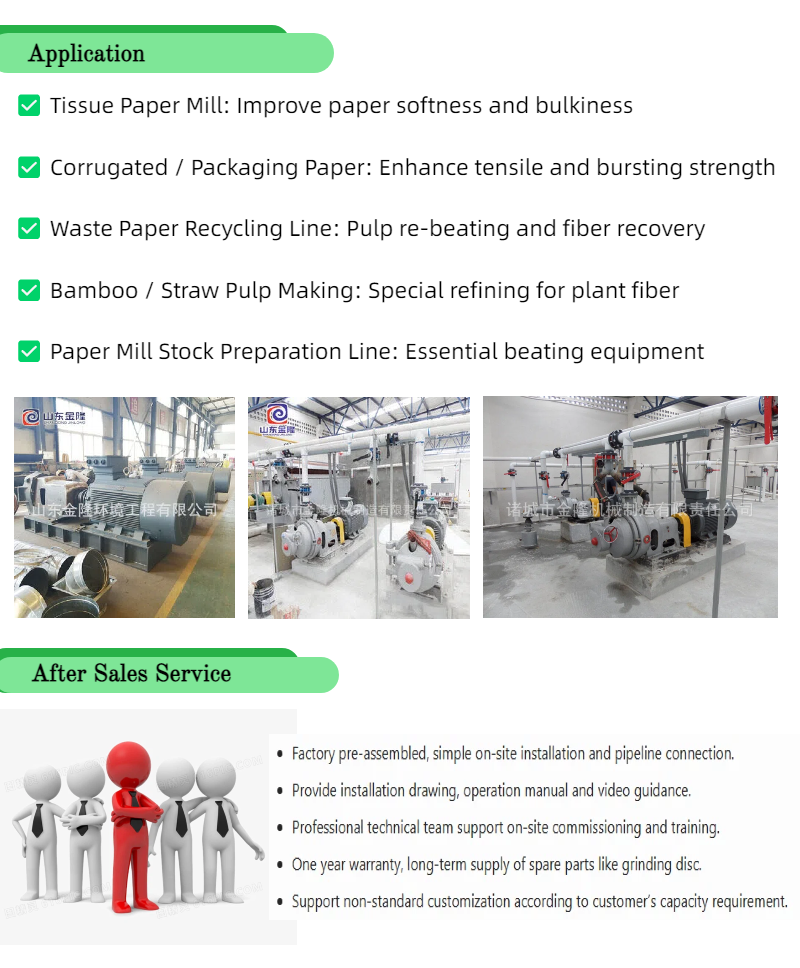
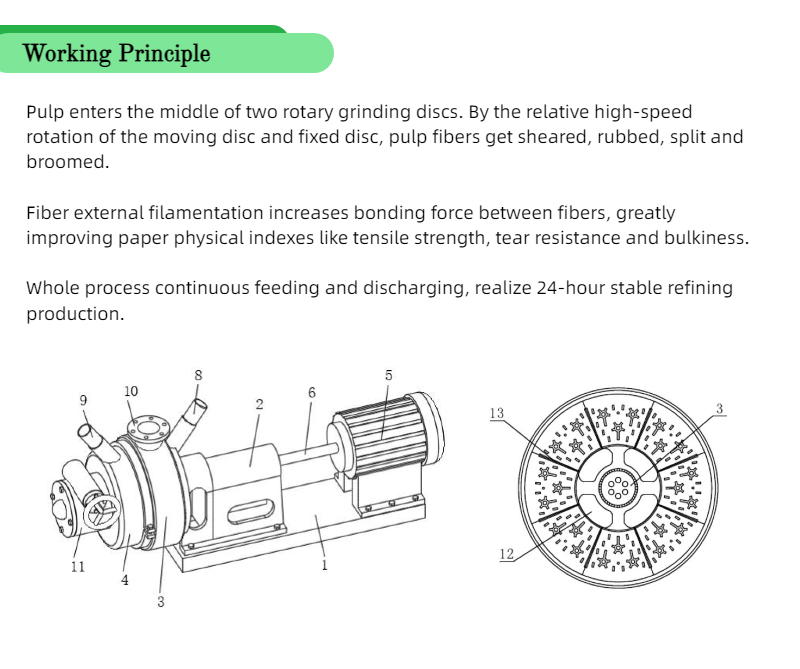
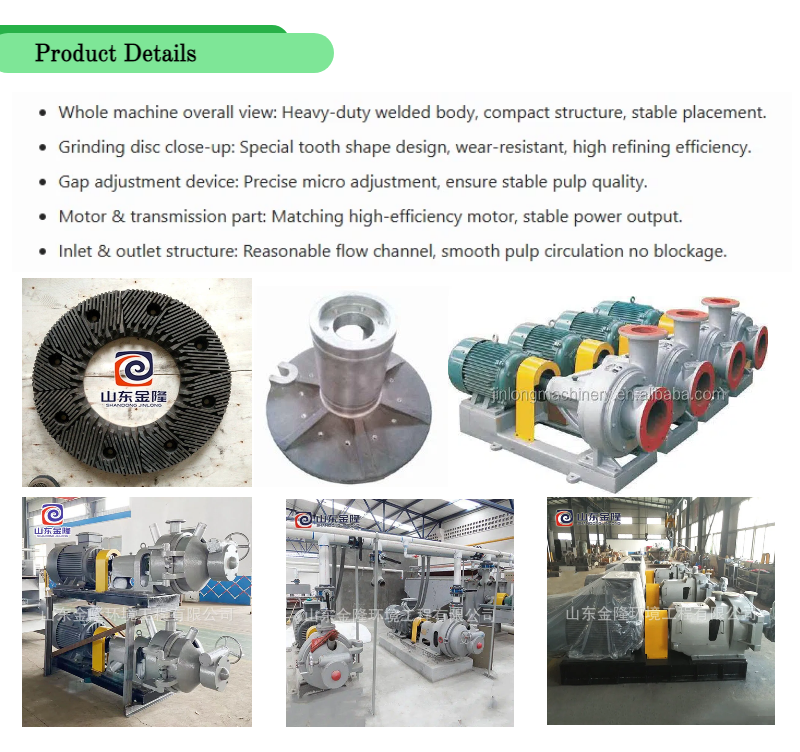

The double disc refiner is essential equipment used for continuous beating and refining of chemical pulp, mechanical pulp, and recycled pulp. It enhances fiber bonding, improves sheet tensile strength, and optimizes overall paper surface quality.
It features two independent refining zones created by a central rotating disc and stationary discs on both sides. As pulp enters under pressure, centrifugal force distributes fibers evenly across the plates where they undergo efficient shearing and fibrillation.
Yes. Refiner plates can be customized with various bar pattern designs depending on your raw material type (softwood, hardwood, non-wood, or waste paper) and targeted Schopper-Riegler (°SR) beating degree requirements.
Routine maintenance includes monitoring plate wear, maintaining appropriate mechanical seal water pressure, lubricating bearings, and regularly checking gap adjustment controls to prevent disc collisions.
Selection depends on your required daily capacity (TPD), operating pulp consistency (typically 2% to 5%), target energy consumption, and raw material characteristics. Our engineering team provides custom sizing consultation upon request.