High-Performance Tissue Paper Converting & Folding Equipment
Engineered for high-volume converting facilities, local paper mills, and expanding hygiene product suppliers across the Plurinational State of Bolivia.
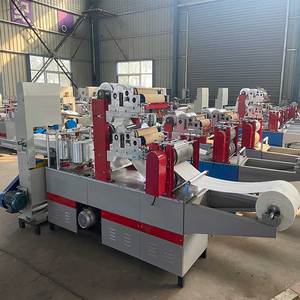
Cost Price Tissue Napkin Paper Making Machine High Speed Tissue Paper Napkin Making Machine Napkin Machine Manufacturer
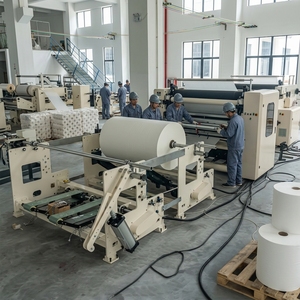
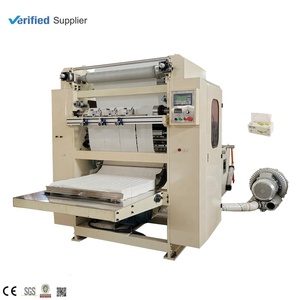
Small Business Automatic N-Fold Hand Towel Machine | PLC Controlled High Efficiency Tissue Paper Equipment Machine
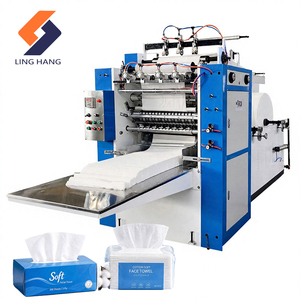
Small Fully Automatic Facial Tissue Machine Production Line, Including Embossing, Cutting, and Folding Machines, DRC
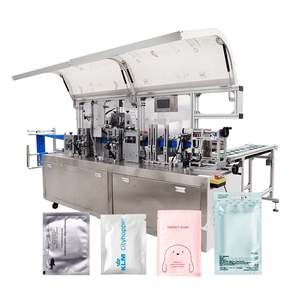
2026 Full Automatic Wet Wipes Machines Single Piece Wet Wipes Making Machine 1pc/pack Baby Wet Tissue Production Line
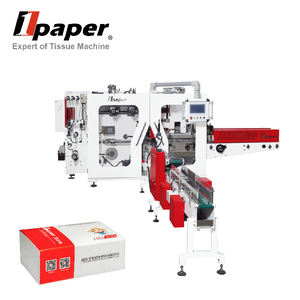
High-Speed PLC Controlled Facial Tissue Packing Machine with Motor and Gearbox by Onepaper for Efficient Production
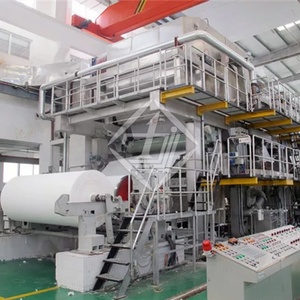
Paper Mill Machinery Price Tissue Production Line Waste Paper Pulp Toilet Paper Making Machine
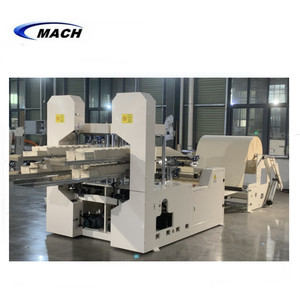
4 Lanes Automatic Serviette Napkin Tissue Paper Folding Making Machine
Executive Summary: Tissue Paper Manufacturing & Machinery Procurement in Bolivia
The paper converting industry in Bolivia is undergoing a structural transition. Driven by rapid urbanization in primary economic corridors—specifically Santa Cruz de la Sierra, Cochabamba, and the metropolitan region of La Paz-El Alto—demand for soft-pack facial tissues, institutional N-fold hand towels, and high-embossed serviettes has expanded at an annual compound rate exceeding 6.8%. However, Bolivian paper converters face a unique set of geographic, operational, and macroeconomic variables that dictate machinery selection.
As a landlocked nation relying heavily on maritime transit through Chilean ports (Arica and Iquique) and Brazilian logistical channels (Santos), Bolivian tissue manufacturers require converting equipment engineered for exceptional structural durability, low spare parts wear rates, and optimal containerized freight volume. Furthermore, operating machinery at extreme elevations—such as El Alto (4,000 meters above sea level)—presents distinct physical challenges regarding atmospheric pressure, vacuum suction efficiency, and electrical motor cooling dynamics.
Technical Insight for Bolivian Buyers: Standard tissue paper folding machines operating at high altitudes suffer a 12% to 18% reduction in vacuum holding efficiency due to lower ambient barometric pressure. Andina Heavy Tissue Machinery S.A. integrates custom-engineered dual-stage vacuum blowers and modified pneumatic web tension controllers specifically optimized for high-altitude Andean manufacturing environments.
Technical Deep-Dive: High-Altitude Machinery Engineering & Web Tension Physics
Machinery performance is fundamentally dictated by environmental physics. When converting jumbo tissue rolls into interfolded sheets or napkins in high-altitude Bolivian industrial zones, two primary variables must be engineered into the mechanical architecture: pneumatic suction performance and heat dissipation in servo motors.
1. Atmospheric Vacuum Adjustment for Interfolded Tissue Systems
Interleaved facial tissue machines and N-fold hand towel machines rely on alternating vacuum suction rolls to separate, tuck, and fold continuous webs at speeds reaching 1,200 to 1,500 sheets per minute per lane. At sea level, atmospheric pressure (101.3 kPa) easily holds 13-18 gsm single-ply or double-ply tissue paper against the suction drum perforated ports. In El Alto and La Paz, atmospheric pressure drops to approximately 62 kPa.
To prevent web slipping, folding misalignments, or paper tearing, our specialized export models for Bolivia utilize enlarged vacuum ports, anti-static carbon brush arrays, and variable-frequency driven (VFD) heavy-duty side-channel vacuum blowers capable of delivering 35% higher displacement capacity. This guarantees flawless V-fold, Z-fold, and N-fold geometry without damaging delicate virgin or recycled tissue fibres.
2. Thermal Management & Electrical Motor Derating
Thin air reduces the cooling capacity of standard air-cooled electric motors. In accordance with IEC international standards, electric motors operated above 1,000 meters experience thermal derating. For Bolivian manufacturing installations, Andina Heavy Tissue Machinery equips all folding machines, log saws, and packaging units with oversized Siemens or Delta servo motors with Class H insulation and auxiliary forced-cooling ventilation fans. This prevents thermal tripping during 24/7 continuous production cycles.
| Engineering Parameter | Standard Lowland Specification | Andina Bolivian High-Altitude Spec | Operational Benefit for Buyers |
|---|---|---|---|
| Vacuum Blower Capacity | 5.5 kW - 7.5 kW Standard Blower | 11 kW - 15 kW High-Displacement VFD | Zero paper slippage at 4,000m altitude |
| Motor Thermal Rating | Class F Insulation (Air-Cooled) | Class H Insulation + Forced Auxiliary Air | Prevents overheating in continuous 24/7 runs |
| Web Tension Control | Standard Mechanical Friction Brake | Closed-Loop Magnetic Powder + Ultrasonic Sensor | Elimination of sheet snapping on recycled stock |
| Embossing Cylinder Hardness | HRC 55 Chrome Plated Steel | HRC 62 Laser-Engraved Hard Chrome | Longer wear life with abrasive local pulp |
Localized Application Scenarios in the Bolivian Market
The Bolivian commercial tissue landscape is non-homogenous, demanding versatile machinery lines configured for specific regional demand centers, raw material availability, and product packaging preferences.
Santa Cruz Industrial Hub: High-Speed Retail Soft-Packs
Santa Cruz de la Sierra serves as Bolivia's primary agricultural and manufacturing epicenter. Here, consumer preference heavily leans toward 200-count soft-pack facial tissues and 4-lane embossed serviettes sold through supermarket chains such as Hipermaxi and Fidalga. Micro-converters in Santa Cruz benefit from our 4-lane automatic napkin folding machines integrated with auto-packing units running up to 800 packs per hour, utilizing locally converted sugar cane bagasse pulp mixed with imported virgin pulp.
La Paz & El Alto: Institutional Towels & Healthcare Wipes
The administrative capital and its twin industrial city El Alto demand large quantities of hygiene products for government institutes, medical clinics, and tourist hospitality sectors. N-fold hand towels and single-piece wet wipes dominate procurement contracts. Our PLC-controlled N-fold hand towel machines process 100% recycled paper jumbo rolls with high wet-strength additives, enabling converters to achieve exceptional absorbency while keeping unit manufacturing costs low.
Cochabamba & Regional Valleys: Recycled Tissue & Eco-Rolls
In Cochabamba and surrounding valley provinces, eco-conscious regional branding and cost-effective commercial napkin production take precedence. Operators rely on our waste paper pulp toilet paper production lines combined with compact, semi-automatic napkin folders. These machines handle variable basis weights (14 to 22 gsm) with minimal web breakage, offering local entrepreneurs a rapid return on investment (ROI).
Macro-Economic Trends Shaping Bolivia's Paper Industry
To remain competitive, Bolivian procurement directors and paper factory owners must align machinery investments with multi-year market shifts. Key developments include:
1. Import Substitution Policies & Domestic Manufacturing Incentives
The Bolivian national economic model strongly encourages domestic industrial production over finished product importation. Tariffs on imported finished tissue products incentivize local converting. Investors purchasing complete automated production lines—comprising parent roll unwinding, steel-to-rubber embossing, rotary cutting, interfolding, and flow-wrapping—benefit from lower import tariffs on industrial capital goods (machinery) compared to converted retail goods.
2. Transition from Rigid Boxes to Flexible Soft-Packs
Flexible plastic film soft-pack facial tissues have gained over 72% market share in Bolivia over traditional cardboard boxes. Soft-packs offer lower transport volume, reducing freight costs across mountainous terrain from manufacturing hubs to peripheral cities like Oruro, Potosí, and Sucre. Our automated facial tissue lines integrate high-speed plastic wrapping modules that utilize recyclable PE and CPP films, significantly reducing packaging material overhead.
3. Rise of 3-Ply & Point-to-Point Embossing Technologies
Consumer expectations for tissue softness and bulk are increasing. Our converting machinery offers customizable steel-to-rubber, steel-to-steel, and point-to-point embossing units. Embossing not only enhances visual aesthetics with custom branded patterns (e.g., logos or floral motifs) but also creates micro-air pockets that increase perceived thickness by up to 30%, allowing converters to use lighter basis weight paper while maintaining premium hand-feel.
Why Global Converters Partner with Andina Heavy Tissue Machinery S.A.
Since 1993, Andina Heavy Tissue Machinery S.A. has engineered and built high-efficiency tissue converting, folding, and packaging equipment for buyers in more than 160 countries. Operating three advanced manufacturing bases across Shanghai, Foshan, and Chengdu, our enterprise combines heavy-duty machine building with cutting-edge automation control.
In-House Precision CNC Machining
Unlike assemblers who outsource critical components, we machine our folding rollers, cutting shafts, and embossing cylinders in-house using multi-axis CNC centers. This ensures dynamic balance at speeds over 2,000 RPM and guaranteed mechanical interchangeability of spare parts.
Strict ISO 9001 & CE Compliance
Our complete equipment range holds European CE certification and complies with rigorous ISO manufacturing protocols. Integrated safety guards, emergency stop circuits, and low-noise enclosures ensure compliance with modern occupational safety standards.
Smart IoT Remote Diagnostics
Every automated line shipped to South America is equipped with an encrypted IoT monitoring gateway. Our engineers in Shanghai can perform remote PLC firmware updates, troubleshoot sensor faults, and assist local Bolivian technicians in real time.
Frequently Asked Questions (FAQ) for Procurement Managers in Bolivia
Practical guidance regarding international shipping, installation, custom specifications, and technical support.
How are machines shipped to landlocked Bolivia, and what is the typical transit route?
What electrical specifications do your machines require for operation in Bolivia?
Can the human-machine interface (HMI) screen be configured in Spanish?
How do you manage spare parts delivery and technician dispatch to South America?
Can your tissue paper folding machines process 100% recycled jumbo rolls?
What raw material technical parameters should we request from parent roll suppliers?
Accelerate Your Paper Converting Business in Bolivia
Talk directly with our project engineering specialists. We will analyze your target capacity, floor space, raw material type, and product format to generate a custom technical proposal and quotation.
Get Catalog