Featured Nonwoven & Paper Converting Machinery
Direct factory supply lines optimized for Costa Rican manufacturing plants, featuring high precision folding, automated slitting, and intelligent servo packing.
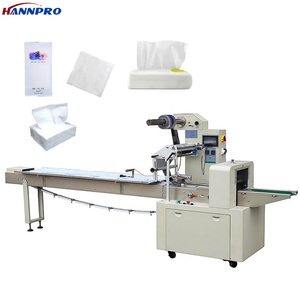
HANNPRO Automatic Facial Tissue Napkin Toilet Paper Labeling Packing Machine
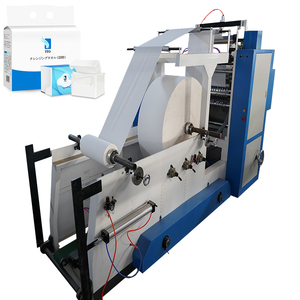
V Fold Facial Tissue Machine Interfold Automatic High Speed Production Line
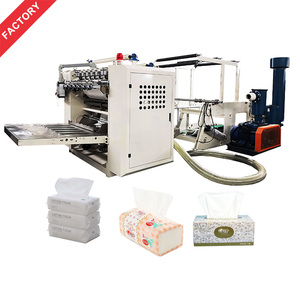
Automation 7 Line V Inter Folded Facial Tissue Paper Folding Machine
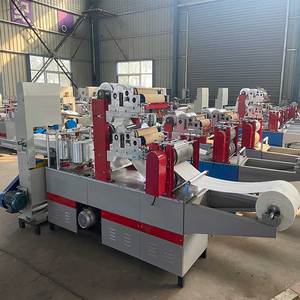
Cost Price Tissue Napkin Paper Making Machine High Speed Napkin Unit
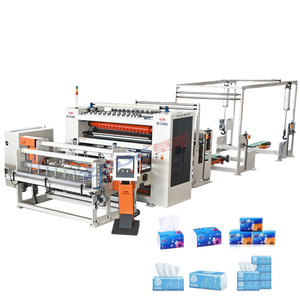
ZODE V7L Good Price Fully Automatic Facial Tissue Paper Production Line
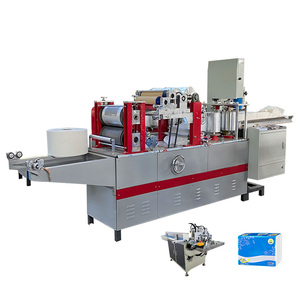
Small Size Tissue Paper Machine Full Automatic Napkin Paper Making Line
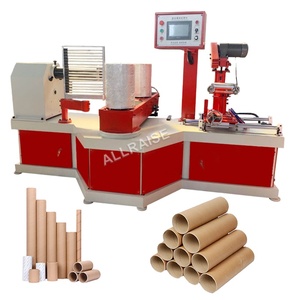
High Quality Spiral Paper Core Cutter Tube Cutting Machine
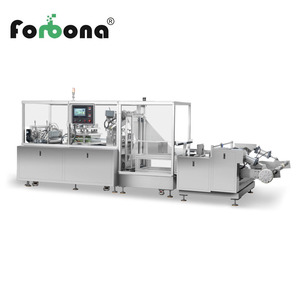
Forbona FBN-100AP Fully Automatic Single Sachet Wet Wipe Making Machine
Strategic Sourcing of Nonwoven Towel Folding Machines for Costa Rican Enterprise Converters
The nonwoven converting industry in Central America is undergoing a profound structural shift driven by consumer preference for ultra-hygienic, lint-free, high-absorbency disposable wipes and multi-purpose cleaning towels. As Costa Rica positions itself as a regional hub for sustainable commerce, eco-tourism, medical services, and high-value export processing, the demand for locally converted nonwoven towels—spanning spunlace, airlaid, needle-punched, and viscose/polyester blends—has surged significantly.
For Costa Rican paper distributors, medical supply importers, commercial hygiene vendors, and investment groups operating within Free Trade Zones (Régimen de Zona Franca - RZF), establishing local converting capabilities by sourcing directly from leading Chinese OEM factories offers unmatched cost advantages. Purchasing raw jumbo rolls and converting them locally reduces container freight volumes by up to 65% compared to importing pre-packaged, fully folded finished products.
This technical white paper explores the engineering physics, market drivers, operational dynamics, and economic frameworks involved in selecting high-speed nonwoven towel folding machinery manufactured by China’s premier machine builders, specifically tailored to the environmental, regulatory, and electrical requirements of Costa Rica.
Central American Market Drivers & Costa Rica Localized Trends
Understanding local market nuances is essential when investing in converting capital equipment. Costa Rica presents a unique set of market conditions that make automated nonwoven towel folding machines highly profitable investments:
Eco-Tourism & Luxury Hospitality Sector
With over 3 million international tourists visiting eco-resorts in Guanacaste, Manuel Antonio, and Arenal annually, high-end hotels require premium nonwoven face towels, makeup removal wipes, and hot/cold refresh towels. Properties prioritize biodegradable bamboo and 100% viscose spunlace fabrics that align with Costa Rica's carbon-neutral national image.
Medical Tourism & San José Clinical Hub
San José hosts one of Latin America's top medical tourism sectors for dental, cosmetic, and elective surgeries. Clinics demand lint-free, sterile-grade spunlace surgical towels, bed sheets, and patient care wipes manufactured under strict ISO 13485 standards. Local converting allows custom sizing for local hospitals and private surgical centers.
Agricultural & Food Export Hygiene
As a global powerhouse in pineapple, banana, and coffee exports, Costa Rican packhouses in Limón and Alajuela mandate stringent food-contact cleaning protocols. Heavy-duty 80–120 GSM nonwoven shop towels and equipment cleaning wipes converted on automatic folding lines provide superior grease and chemical absorption without tearing.
Free Zone Tax Incentives (Régimen de Zona Franca)
Setting up nonwoven converting plants within Costa Rica’s RZF (such as Coyol Free Zone or Global Park) allows machinery importers to enjoy 0% import tariffs on equipment, income tax exemptions, and streamlined customs clearance at Puerto Limón and Puerto Caldera, making direct machinery procurement from China exceptionally lucrative.
Engineering Excellence: Technical Specifications & Mechanics
High-performance nonwoven towel folding machines require specialized mechanical tensioning and static control compared to traditional tissue paper machinery. Nonwoven webs (such as spunlace or thermal bond) possess high tensile elasticity and variable surface friction, demanding advanced servo control systems.
| Engineering Parameter | Standard Tissue Folder Spec | Andina Advanced Nonwoven Folder Spec | Operational Impact for Converters |
|---|---|---|---|
| Web Tension Control | Mechanical brake / pneumatic spring | Multi-stage servo motor feedback + magnetic powder tension | Prevents nonwoven web stretching or necking-down during high-speed feeding. |
| Supported Substrates | Virgin wood pulp, recycled paper | Spunlace, Airlaid, Viscose, Bamboo, PET, Woodpulp-poly | Enables flexible product switching from dry towels to wet wipes on 1 line. |
| Folding Configurations | V-Fold (Interfold) only | V-Fold, Z-Fold, N-Fold, C-Fold, 1/4 Fold, 1/8 Fold | Allows production of retail packs, pop-up dispensers, and restaurant towels. |
| Slitting Mechanism | Fixed shear blades | Pneumatic circular tungsten steel rotary slitters | Delivers clean, burr-free edges without generating nonwoven dust or fibers. |
| Liquid Dosing Option | Not applicable | Integrated liquid spray tank with flowmeters | Supports online conversion of antibacterial wet towels and chemical wipes. |
| Electrical Configuration | 380V 50Hz Standard | 220V / 440V 60Hz Custom (Costa Rican Grid Compliant) | Plug-and-play installation without transformer energy losses or motor overheating. |
Key Machine Modules & Technology Highlights
- Automatic Web Guiding System (EPC): Employs infrared photo-sensors to continuously detect web alignment, correcting lateral roll drift within ±0.1mm at speeds up to 200 meters per minute.
- Point-to-Point Embossing Units: Steel-to-rubber or steel-to-steel embossing rollers press custom geometric or honeycomb patterns into nonwoven towels, enhancing bulk softness and liquid retention capacity.
- Pneumatic Jumbo Roll Loading: Heavy-duty pneumatic lifting arms effortlessly load raw material rolls weighing up to 1,200 kg, minimizing operator fatigue and changing downtime.
- Smart Touchscreen PLC Control: Siemens or Mitsubishi PLC interfaces allow operators to adjust cut lengths, counting stack quantities, and line acceleration with intuitive bilingual touch panels.
Why Partner with Andina Heavy Tissue Machinery S.A.
Established in 1993, Andina Heavy Tissue Machinery S.A. has grown over three decades into a flagship manufacturer of tissue paper and nonwoven converting and packaging machinery. Headquartered with integrated CNC machining centers and assembly complexes across Shanghai, Foshan, and Chengdu, Andina spans over 10,000 square meters of state-of-the-art production facilities.
With a staff of over 300 skilled specialists, including 45 senior mechanical design engineers and automation software developers, Andina holds more than 50 national patents. Our production lines carry full ISO9001 quality system certification and CE compliance marks, ensuring complete regulatory acceptance across European, North American, and Latin American jurisdictions.
We don't just export standalone machinery; we deliver turnkey converting solutions. From initial factory floor layout planning and utility load balancing to Factory Acceptance Testing (FAT), container loading, ocean transit logistics to Puerto Limón, and remote IoT diagnostic commissioning, Andina guarantees continuous operational success.
IoT-Enabled Remote Diagnostic Platform
Every Andina machine exported to Costa Rica comes equipped with a secure IoT cloud telemetry module. Our software team in Shanghai can perform real-time PLC diagnostic checks, upload firmware updates, and resolve sensor calibration queries remotely, guaranteeing 99.2% operational line uptime.
Economic Analysis: Local Converting vs. Finished Goods Importing
To assist procurement directors in writing business feasibility studies for bank financing or board approval, below is a comparative cost breakdown based on converting 50 GSM spunlace nonwoven towels locally in San José, Costa Rica versus importing containerized finished items:
| Cost Component (Per Ton of Towels) | Importing Finished Goods (Packaged) | Local Converting with Andina Machinery | Savings Realized |
|---|---|---|---|
| 40ft HC Ocean Freight (China to Costa Rica) | ~$4,800 (Low density, high volume air space) | ~$1,680 (High density jumbo rolls) | 65% Freight Cost Reduction |
| Import Customs Tariffs | Higher finished product tariff rate | Lower raw material / RZF zero tariff rate | 8% to 15% Duty Savings |
| Packaging Material Sourcing | Overseas supplier margin built-in | Locally sourced corrugated boxes & PE polybags | 20% Packaging Cost Reduction |
| Lead Time to Market | 60–75 Days shipping transit dependency | On-demand local inventory production (1-2 days) | Zero Out-of-Stock Risk |
Financial Conclusion: A typical mid-sized Costa Rican converter operating an automated 4-line V-fold nonwoven folding machine reaches capital pay-back (ROI) within 9 to 14 calendar months, based on a single 8-hour daily operational shift.
Frequently Asked Questions by Costa Rican Importers
Clear answers addressing technical customization, electrical specifications, shipping logistics, and after-sales service for buyers in Central America.
Which nonwoven substrates and tissue products can your folding machines process?
How do you customize machines for Costa Rica’s electrical voltage standards?
Do you ship directly to Puerto Limón and Puerto Caldera?
Can your nonwoven towel folding machines run wet and dry products on the same line?
What after-sales installation and operator training support is provided?
Which international certifications accompany Andina equipment?
How does the China-Costa Rica Free Trade Agreement (TLC China-Costa Rica) impact machinery customs duties?
What is the lead time from order confirmation to dispatch?
How can we source high-quality spunlace nonwoven jumbo rolls for converting in Costa Rica?
What key information is required to receive a detailed technical quote?
Ready to Upgrade Your Nonwoven Manufacturing Capacity in Costa Rica?
Connect directly with senior engineering specialists at Andina Heavy Tissue Machinery S.A. to request customized plant layouts, factory pricing, technical specifications, and ROI financial models.