Navigating the Honduran Household & Commercial Paper Manufacturing Landscape
The tissue paper converting sector across the Republic of Honduras is undergoing a structural transition. Traditionally reliant on imported finished paper goods, domestic converters and regional distributors in major economic hubs such as San Pedro Sula, Tegucigalpa, and Puerto Cortés are rapidly scaling in-house production capabilities. Driven by favorable trade dynamics under the Central America Free Trade Agreement (CAFTA-DR) and expanding regional consumer retail networks, investment in full-automation tissue paper processing machinery has reached an unprecedented peak.
Operating a continuous, high-speed tissue converting facility in Honduras requires machinery designed for unique environmental and electrical operational parameters. Ambient operating conditions—characterized by elevated humidity levels along the Caribbean coast and temperature fluctuations in interior industrial zones—mandate robust mechanical engineering. Critical requirements include heavy-duty steel side frames, anti-corrosive alloy contact points, IP65-rated dust-tight electrical enclosures, and precise web tension management to process diverse parent roll grades, ranging from 100% virgin wood pulp to high-percentage recycled fibers.
As a global OEM with over 30 years of engineering heritage (established 1993), our industrial automatic tissue paper converting lines deliver CE-certified compliance, energy efficiency, and operational stability. By integrating pneumatically controlled shaftless unwinding stands, high-precision embossing units, continuous log saw cutters, and high-speed servo packaging systems, we empower Honduran enterprise paper mills to achieve operational independence and maximize yield per ton of jumbo paper rolls.
High-Efficiency Automatic Tissue Machinery Available for Honduras Supply
Each machine module is fully customizable to match Honduran factory electrical standards (220V/440V, 60Hz, 3-Phase) and specific finished pack configurations.
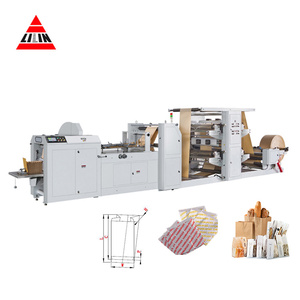
Toilet Tissue Paper Making Machine Paper Product Making Machinery v Fold Tissue Production Line
View Machine Details →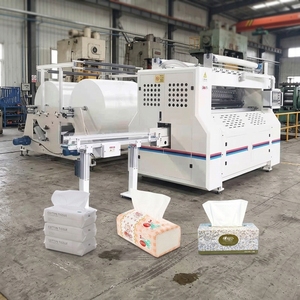
Factory Direct Automatic Paper Napkin Machine Tissue Napkin Production Line for Small Business
View Machine Details →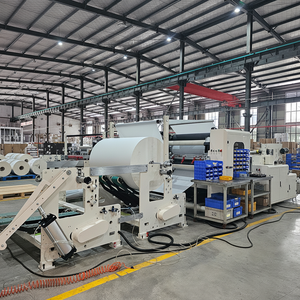
Fully Automatic Toilet Tissue Paper Roll Production Line Competitive Price Toilet Tissue Paper Machine Paper Processing Machine
View Machine Details →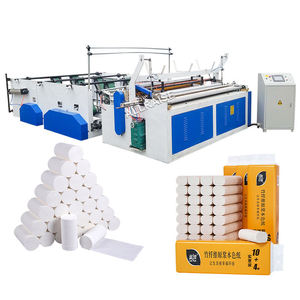
Automatic Toilet Tissue Paper Making Machine Toilet Tissue Roll Rewinding Perforating Production Line Kitchen Towel Machinery
View Machine Details →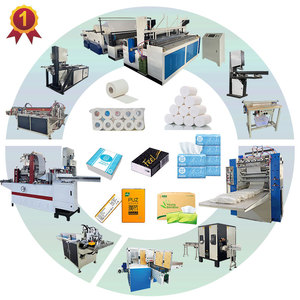
Automatic Tissue Paper Making Machine Napkin Making Machine Toilet Paper Roll Making Machine Complete Set Production Line
View Machine Details →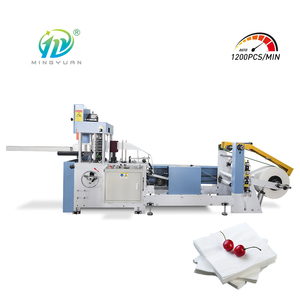
New Design 1200pcs/min High Speed Tissue Paper Making Machine Production Line Automatic Tissue Machine
View Machine Details →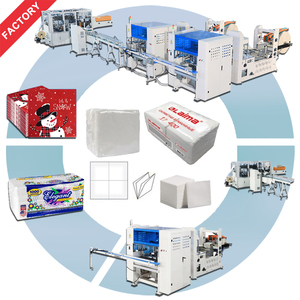
Automatic Tissue Paper Making Machine | Napkin & Toilet Paper Roll Making Machine | Complete Tissue Production Line
View Machine Details →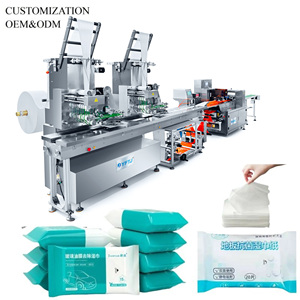
Full Automatic Tissue Manufacturing Equipment High Speed Baby Wet Wipes Production Line CE Certified Wet Wipes Making Machine
View Machine Details →End-to-End Automation Architecture for High-Yield Paper Processing
Pneumatic Unwinding & Tension Control
Equipped with dual shaftless unwinding stands capable of handling parent rolls up to 1500mm in diameter. Infinite pneumatic tension modulation prevents web breaking across fluctuating sheet weights (13–22 gsm).
Micro-Embossing & Synchronized Folding
Precision steel-to-rubber or steel-to-steel embossing cylinders produce enhanced bulk, softness, and ply adhesion. Offers V-Fold, N-Fold, and Z-Fold interfolding options with zero-jamming vacuum assistance.
Servo Orbital Log Saw Cutting
High-speed circular blade log saws deliver clean, distortion-free log cuts up to 200 cuts per minute per lane. Features integrated automatic blade sharpening, optical sensor length checks, and automatic trim elimination.
| Performance Indicator | Legacy Semi-Automatic Systems | Our CE Automatic Production Line | Impact on Honduran Factory Operations |
|---|---|---|---|
| Designed Speed (Linear / Output) | 120–180 m/min | 300 logs/hr | 250–350 m/min | 1200 logs/hr | +300% Daily Volumetric Output per Shift |
| Operational Labor Requirement | 6–8 Technicians per line | 1–2 Line Operators (PLC Controlled) | Drastic Reduction in Direct Unit Production Overhead |
| Sheet Edge & Trim Waste Rate | 4.5% – 6.0% Paper Loss | < 1.2% Precision Controlled Waste | Maximizes Yield per Imported Parent Roll |
| Electrical Power Configuration | Standard Fixed Frequency Motors | Multi-Axis Servo Drives (380V-440V 60Hz) | 35% Reduction in Energy Consumption (kWh/Ton) |
| Changeover Time (Product Size) | 90 to 180 Minutes (Manual setup) | 15 to 30 Minutes (Digital HMI Pre-sets) | Enables Flexible Small-Batch & SKU Customization |
Tailored Converting Solutions for Honduran Commercial Centers
Industrial demand for automated paper processing differs substantially across Honduras’ principal economic hubs. Machinery configuration must align directly with regional distribution goals and supply chain realities:
1. San Pedro Sula Industrial Corridor
As the primary manufacturing and logistics engine of Honduras, facilities in San Pedro Sula require high-capacity, multi-lane toilet roll rewinding and bundling lines. Our high-speed production lines easily interface with automated case packing and robotized palletizers, supporting intense 24/7 continuous operation to feed major supermarket retail chains across Central America.
2. Tegucigalpa Commercial & Institutional Supply
Serving the capital's institutional, governmental, and healthcare facilities, paper converters in Tegucigalpa benefit from flexible V-fold and N-fold hand towel machines. These lines allow rapid switching between single-ply economy grades for high-traffic public restrooms and premium 2-ply soft embossed towels for office complexes.
3. Roatán & Bay Islands Tourism Sector
The burgeoning hospitality market in Roatán, Utila, and La Ceiba demands specialized, compact napkin making machines equipped with multi-color flexographic printing units. Local converters produce customized, branded linen-feel napkins and luxury pocket tissues tailored for luxury eco-resorts, cruise terminals, and restaurant franchises.
Key Industry Trends Driving Tissue Machinery Investments in Honduras
Producers planning plant expansions in Central America must adapt to changing consumer behaviors and trade mechanics. Key factors shaping investment decisions include:
- • Rise of Soft-Pack Facial Tissues over Rigid Boxes: Soft-pack PE film wrapping has captured over 65% of regional facial tissue sales due to lower packaging material costs and superior moisture resistance during tropical sea transit. Our lines feature integrated film wrappers running up to 80 packs/min.
- • Adoption of Sustainable Non-Wood Fibers: With volatile virgin pulp prices globally, Honduran converters are increasingly testing sugarcane bagasse pulp and bamboo blends. Our machinery incorporates specialized pneumatic tension controls specifically optimized to handle short-fiber tensile strength variations without tearing.
- • Private Label Supermarket Expansion: Regional retail consolidators are shifting away from importing finished brand names toward establishing private-label contracts with domestic converters. High-speed automation guarantees the tight visual and volumetric consistency required by strict retailer QA audits.
Why Global Converters Partner with Andina Heavy Tissue Machinery S.A.
30+ Years OEM Leadership
Established in 1993, we maintain over 10,000 m² of precision assembly workshops across 3 production bases (Shanghai, Foshan, Chengdu), supported by a staff of 300+ technicians and mechanical engineers.
CNC In-House Machining
We do not outsource critical components. Roller core balance, log saw shafts, and embossing sleeves are turned in-house on multi-axis CNC centers to maintain tight mechanical tolerances under high speeds.
Pre-Shipment FAT Testing
Every machine undergoes rigorous Factory Acceptance Testing (FAT) with actual tissue paper rolls prior to crating. Honduran clients receive comprehensive HD video testing reports and live online verification.
Frequently Asked Questions by Honduran Tissue Machinery Importers
Request an Engineered Technical Proposal for Your Factory in Honduras
Whether you are establishing a new tissue converting plant or upgrading existing production lines in San Pedro Sula or Tegucigalpa, our engineering team provides complete plant layout design, ROI analysis, and customized machinery quotes.
Contact Us