How Next-Gen Multi-Axis Servo Technology Eliminates Packaging Bottlenecks, Reduces Waste, and Delivers 10-Minute Recipe Changeovers for Global Tissue Converters.
Why Strategic Procurement Heads Choose Multi-Axis Full Servo Cartoning Machines for High-Volume Tissue Packaging
In high-capacity tissue manufacturing plants, the secondary packaging line dictates the overall line efficiency. Traditional mechanical continuous motion cartoners—constrained by line shafts, chain wear, and rigid timing cams—have become the single greatest source of unscheduled downtime, material waste, and labor overhead during SKU changes. This comprehensive guide details why upgrading to an architectural full servo cartoning machine provides measurable competitive advantages for tissue converters globally.
Information Gain Analysis: Beyond Basic Mechanical Cartoning
Global procurement teams and plant engineering directors evaluating full servo cartoning machinery frequently encounter marketing claims regarding speed. However, true operational efficiency is defined by motion control response curves, real-time torque feedback loops, and material tolerance compensation. Unlike traditional mechanical or hybrid cartoners that rely on a central motor connected to complex gear trains, a high-speed full servo cartoning machine engineered by Andina Heavy Tissue Machinery S.A. replaces mechanical connections with independent, bus-synchronized servo drives across every moving axis.
This structural change unlocks significant manufacturing capabilities: paperboard variance compensation, zero-impact soft push tissue insertion, toolless motor-driven size changeovers in under 10 minutes, and regenerative dynamic braking that cuts electrical consumption by over 30%. Below, we examine the mechanical vs. multi-axis full servo paradigms that shape modern tissue packaging performance.
Performance Dimension
Legacy Mechanical Continuous Cartoners
Andina Heavy Full Servo Cartoning Machines
Drive Architecture
Single main motor with mechanical line shaft, chains, and timing cams
10 to 18 independent servo axes synchronized via EtherCAT motion bus
Over 30 Years of Dedicated Tissue Machinery Engineering Expertise
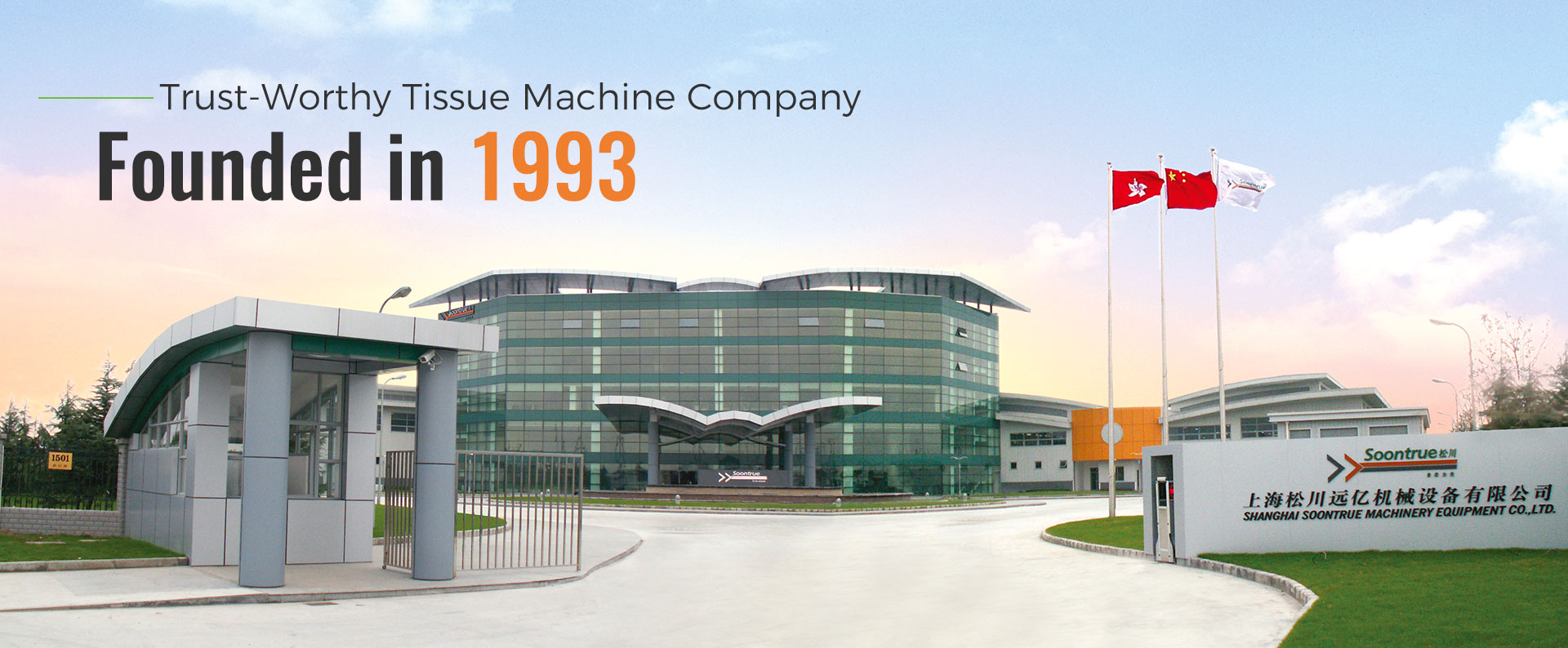
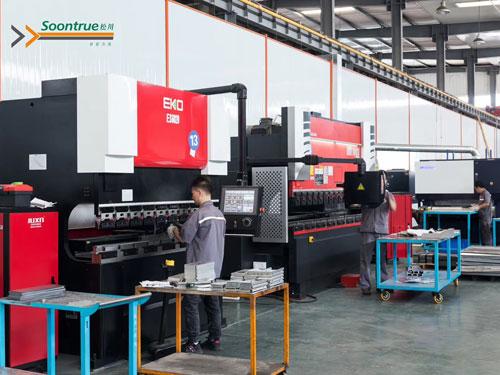
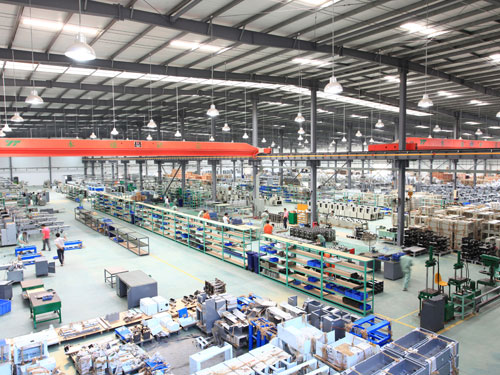
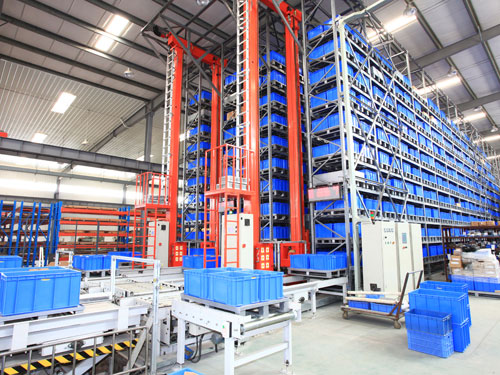
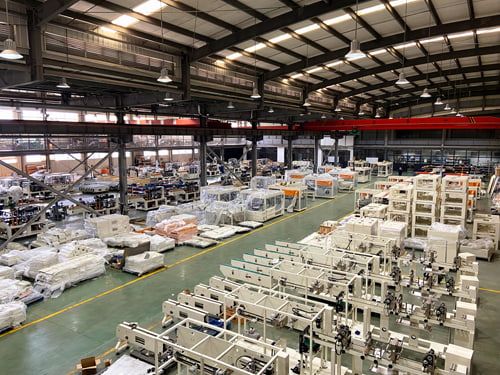
Founded in 1993, Andina Heavy Tissue Machinery S.A. has grown into a world-class manufacturer specializing in high-speed tissue converting and automated secondary packaging systems. Operating three state-of-the-art manufacturing facilities in Shanghai, Foshan, and Chengdu spanning over 10,000 square meters, our facility houses high-precision CNC machining centers, climate-controlled electrical assembly bays, and complete line assembly stations.
With an engineering team holding more than 50 national patents, our company focuses on resolving real-world operational challenges faced by tissue converters in 160+ countries and regions. From facial tissue interfold machines to fully integrated multi-axis servo cartoning and outer wrap lines, every piece of machinery undergoes rigorous Factory Acceptance Testing (FAT) with real tissue products prior to global dispatch.
30+ Years Industry LeadershipEngineering converting and packaging lines since 1993
3 State-of-the-Art Production BasesIn-house CNC machining in Shanghai, Foshan & Chengdu
ISO 9001 & CE Certified QualityStrict compliance with EU machine safety standards
Global Operational FootprintActive machinery serving converters in 160+ countries
Featured Full Servo Cartoning Machine Configurations
Select from our industry-proven multi-axis servo cartoning machines, engineered for stand-alone operation or seamless integration with high-speed tissue folding and cutting systems.
Continuous Servo Series
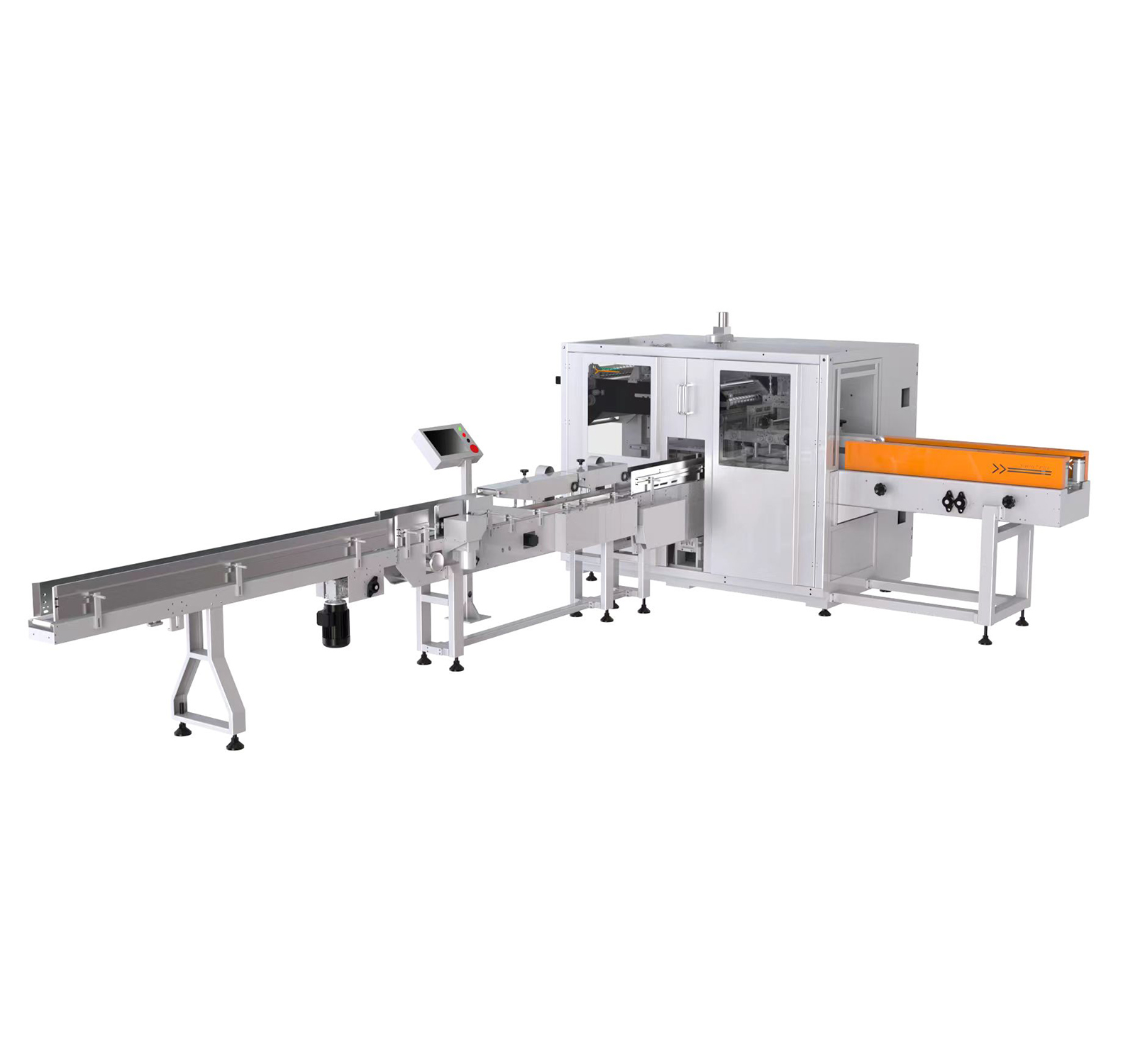
High-Speed Continuous Full Servo Cartoner
Engineered for high-volume facial tissue plants producing up to 220 cartons per minute. Features continuous motion rotary pickers, multi-axis motion synchronization, and integrated Nordson hot-melt adhesive units.
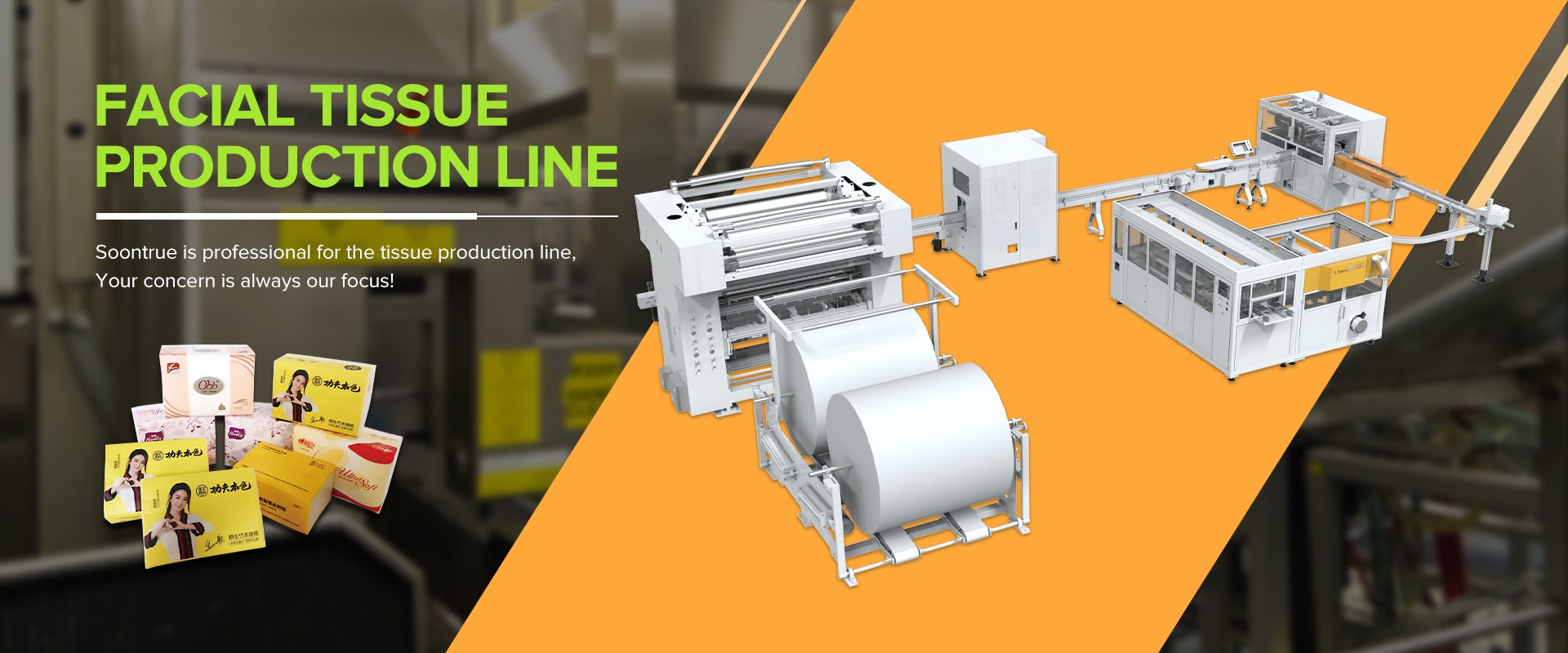
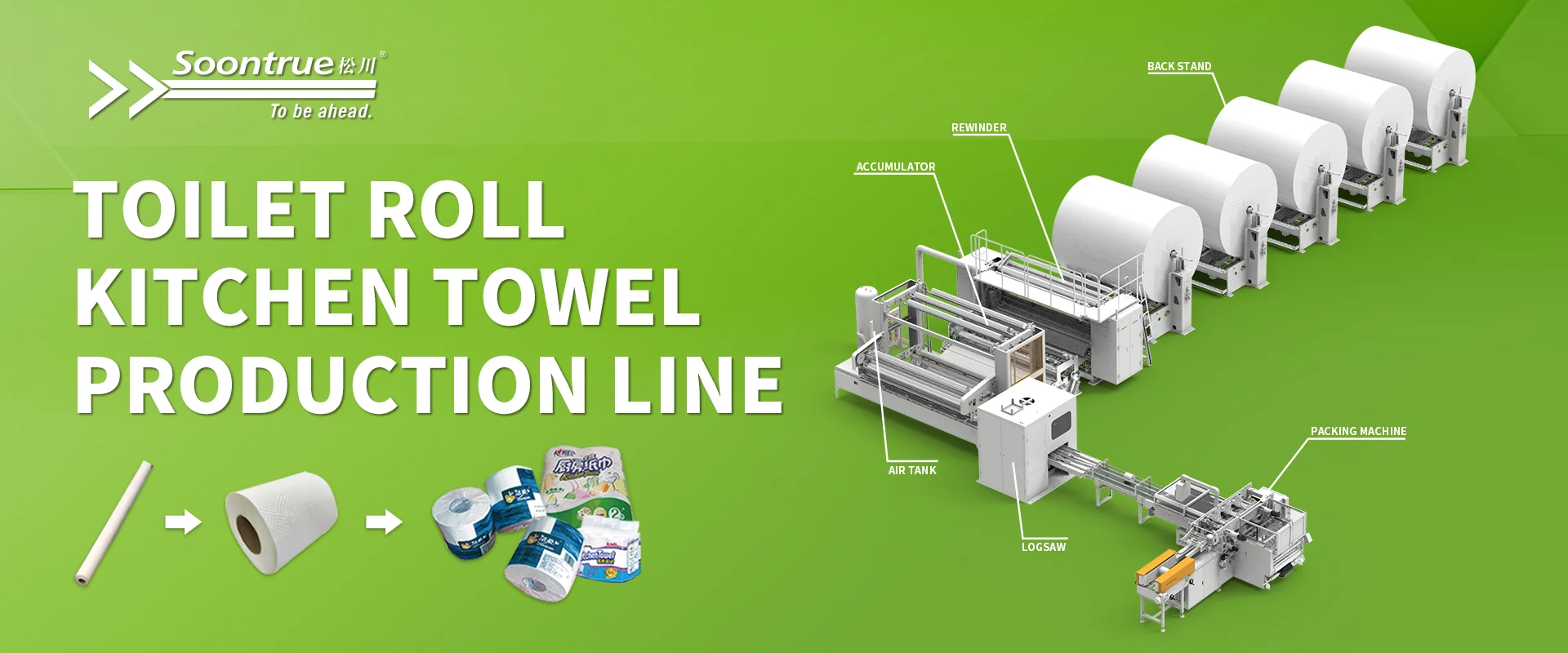
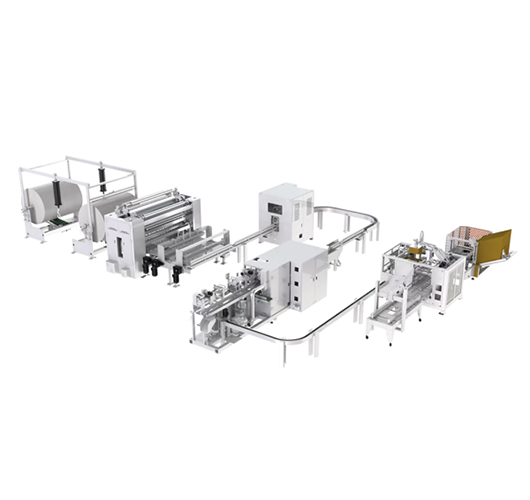
A fully integrated solution connecting multi-lane interfold tissue folders, log saw cutters, intermediate stack accumulators, and high-speed full servo cartoner into one synchronized smart line.
In traditional tissue cartoning, soft paper clips are prone to misaligning or tearing when pushed into opened carton blanks at speeds exceeding 150 boxes per minute. Our full servo cartoning machine utilizes dual electronic cam profile curves that match the exact acceleration vectors of incoming tissue clips.
Closed-loop torque sensing prevents tissue clip crushing during pusher entry
Future Procurement Trends in Full Servo Cartoning Machinery (2025–2030)
As tissue converting operations transition toward Industry 4.0 smart factory standards, global purchasing directors are shifting their evaluation criteria from initial capital expenditure (CAPEX) to holistic life-cycle efficiency, operational flexibility, and energy management.
1. Motorized Toolless Changeovers
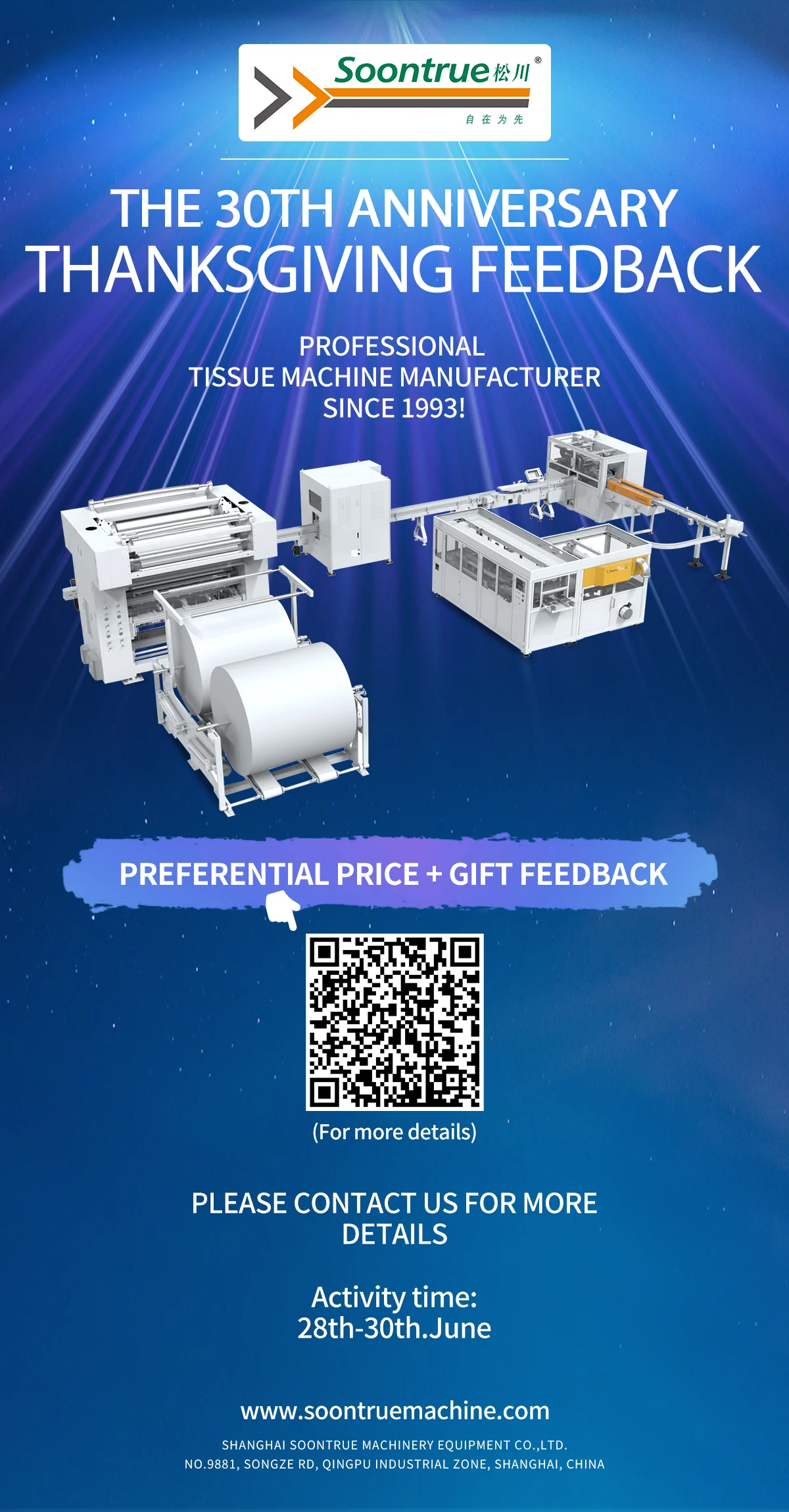
Modern tissue converting plants no longer accept 2-hour downtime windows when switching between tissue box counts (e.g., 100-count flat boxes to 50-count cube boxes). Modern procurement requires touch-screen recipe selection where motorized spindle positioners adjust guide rails, magazine heights, and pusher strokes automatically in under 10 minutes.
2. Sustainable Packaging Material Adaptation
With sustainability mandates reshaping the paper industry, cartoning equipment must process virgin paperboard, high-percentage post-consumer recycled (PCR) chipboard, and plastic-free film window cartons seamlessly. Full servo machines provide micro-adjustable suction timing and force control to prevent creasing lower-GSM eco-boards.
3. Predictive IoT & Cyber-Physical Diagnostics
Leading buyers prioritize cartoners equipped with remote IoT connectivity. By analyzing real-time motor thermal curves, encoder telemetry, and mechanical vibration spectrums, factory managers can schedule preventive maintenance before an axis failure occurs, securing near-100% scheduled uptime.
4. Direct-Drive Energy Regeneration
As global electricity tariffs rise, energy-efficient servo technology has moved to the forefront of equipment specifications. Multi-axis full servo cartoners utilizing shared DC-bus architecture recover dynamic braking energy from decelerating pusher arms and feed it back into adjacent acceleration axes, cutting total line power consumption by 25% to 35%.
Future Technological Development Trends in Tissue Cartoning Equipment
Explore how Andina Heavy Tissue Machinery S.A. is advancing motion control engineering to address emerging manufacturing challenges in the high-speed paper packaging sector.
Future iterations of full servo cartoning machines are moving beyond fixed mechanical infeed channels. By integrating high-resolution 3D vision sensors and 2D vision inspection cameras directly with the servo controller, the cartoner can evaluate incoming tissue clip profile geometry on the fly. Distorted, out-of-spec, or damp tissue clips are automatically ejected prior to carton insertion, protecting mechanical components and maintaining 100% final package aesthetic quality.
2. Digital Twin Commissioning & Virtual HMI Simulation
Before physical assembly takes place in our Shanghai or Foshan facilities, complete full servo cartoning lines are modeled within a dynamic 3D physics simulation engine. This Digital Twin approach allows our application software engineers to optimize servo velocity profile algorithms, eliminate potential mechanical collisions, and pre-test customer-specific carton blank sizes virtually—cutting field commissioning time at overseas customer plants by more than 50%.
3. AI-Driven Self-Tuning Motion Control Algorithms
Paperboard mechanical properties alter depending on ambient workshop humidity and storage duration. Future full servo cartoning controllers engineered by Andina Heavy Tissue Machinery S.A. incorporate real-time load-adaptive control algorithms. As the machine detects slight resistance changes during carton opening or flap tucking, the servo drives adjust their current-limit loops automatically, ensuring zero box deformation regardless of changing environmental factors.
Engineering Commitment:
"Our ongoing R&D focus is to remove mechanical friction from every phase of tissue cartoning, replacing mechanical tolerance with intelligent software motion compensation."
Trusted by Leading Tissue Brands & Contract Converters Worldwide
From high-capacity paper mills in South America and Europe to contract packaging enterprises across North America and Asia, Andina Heavy Tissue Machinery S.A. delivers reliable cartoning automation solutions.
Technical Articles
Latest Engineering Milestones & Industry Articles
Stay informed with technical updates, trade show highlights, and motion control innovations from our engineering team.
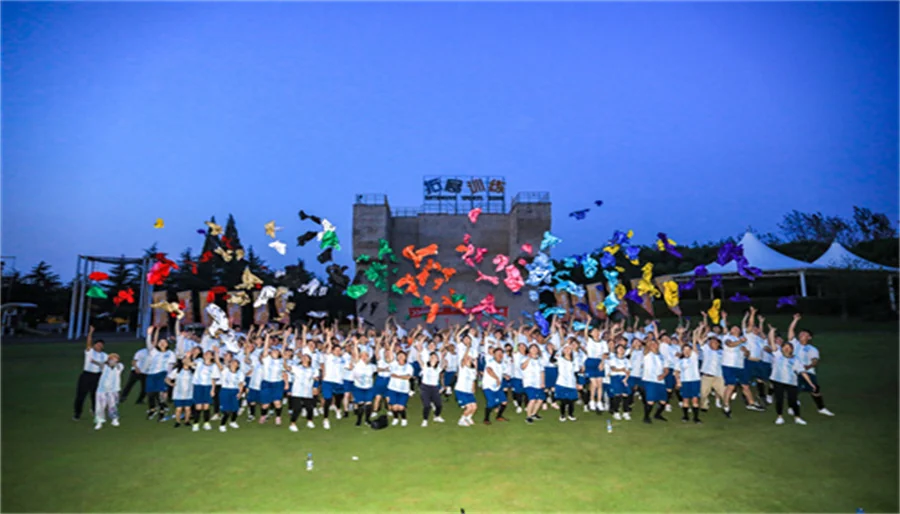
30th Anniversary Global Service Upgrade Program
Expanding direct regional spare parts warehousing and fast-response technician dispatch across Latin America, Southeast Asia, and Europe.
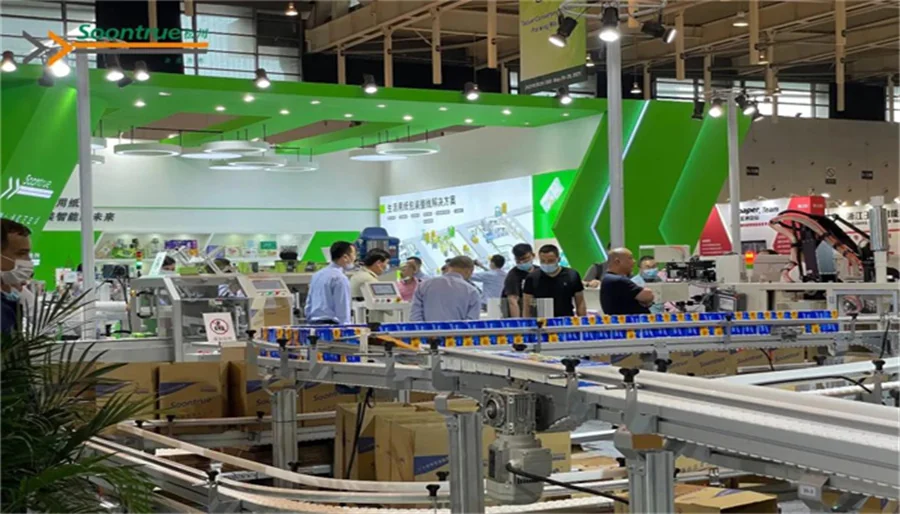
International Tissue Expo Demonstration
Live demonstration of our continuous motion 18-axis full servo facial tissue cartoning machine running recycled cardboard blanks at 200 boxes/min.
Annual R&D Engineering Summit
Our motion control specialists finalized next-generation adaptive vacuum feeding algorithms for non-standard paperboard blank formats.
Procurement FAQ
Frequently Asked Questions on Full Servo Cartoning Machines
Technical, financial, and operational answers tailored for procurement directors, engineering managers, and tissue manufacturing executives.
What defines a true full servo cartoning machine compared to a mechanical or hybrid cartoner?
A true full servo cartoning machine replaces traditional mechanical drive shafts, complex gear trains, and mechanical timing cams with independent multi-axis servo motors (typically 8 to 16+ axes). Each critical movement—including carton picking, erection, tissue stack pushing, tuck-in folding, hot-melt gluing, and discharge—is independently driven and synchronized via high-speed Motion Control bus protocols like EtherCAT. This eliminates mechanical backlash, reduces wear by 70%, enables recipe-driven automated size changeovers in under 10 minutes, and allows micro-adjustments on the fly.
How does a full servo cartoning machine handle recycled or thin corrugated carton boards without jamming?
Full servo cartoning machines utilize direct closed-loop torque sensing and adaptive vacuum suction technology during the carton pick-and-erect cycle. If a carton blank has slight warping or inconsistent stiffness common in eco-friendly recycled boards, the servo motor adjusts its speed curve and suction timing dynamically. This prevents blank tearing, misfeeds, and mechanical collisions, maintaining over 99.2% uptime across varied paperboard grades.
What is the typical ROI and Total Cost of Ownership (TCO) timeline for upgrading to full servo cartoning equipment?
Most high-capacity tissue converting plants experience a complete return on investment within 12 to 18 months. The TCO reduction stems from three primary factors: 1) Up to 85% reduction in size changeover downtime (switching from 2 hours to under 10 minutes), 2) Lower maintenance costs due to zero mechanical lubrication and reduced component wear, and 3) Energy savings of 25–35% through regenerative dynamic servo braking systems.
Can your full servo cartoning machines integrate directly with existing tissue folding lines and downstream end-of-line systems?
Yes. Andina Heavy Tissue Machinery S.A. engineers full servo cartoners with open industrial Ethernet communication protocols (Profinet, EtherNet/IP, Modbus TCP). Our machines feature smart synchronization units that accept tissue clips directly from interfold facial tissue lines or log saw stackers, automatically adjusting infeed speeds to match upstream output without human intervention.
What after-sales service and spare parts availability are provided for international buyers?
We provide complete global operational coverage including on-site technician deployment, operator training, local spare parts dispatching, and standard 24/7 cloud-based IoT diagnostics. Our cloud platform allows remote monitoring of servo axis temperatures, vibration profiles, and operational metrics to diagnose micro-stoppages proactively.
What technical parameters are required to generate an accurate quotation and line layout engineering proposal?
To provide an optimized proposal, our application engineers require: 1) Finished tissue product dimensions (length x width x height/clip count), 2) Carton blank dimensions and board specifications (GSM, tuck-in vs. hot-melt seal), 3) Desired output capacity (cartons/minute), and 4) Plant layout constraints including tissue infeed orientation and electrical voltage standards.
Consult Engineers
Request a Custom Full Servo Cartoning Engineering Proposal
Connect directly with our senior motion control and packaging engineers to analyze your tissue product specifications, floor layout, and output targets.
Andina Heavy Tissue Machinery S.A.
Headquarters AddressNo. 9881 Songze Road, Qingpu Industrial Zone, Shanghai, China