Recommended Top-Tier Tissue Converting & Packaging Machines
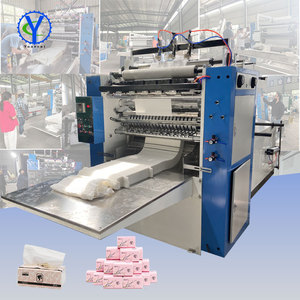
High Quality Soft Facial Tissue Folding Machine Manufacture Tissue Paper Making Machine Small
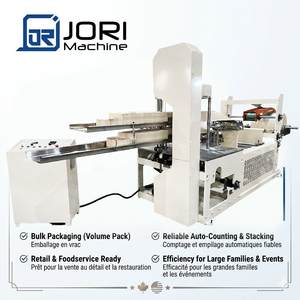
250x250 High Speed Napkin Maker Machine Soft Tissue Facial Paper Cutting Embossing Folding Packing Manufacturing Line Making
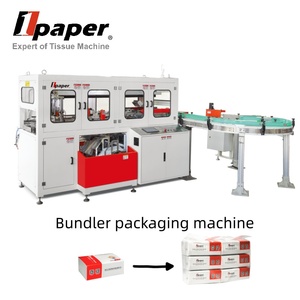
Zhejiang Wenzhou Automatic Soft Pack Facial Tissue Middle Packing Machine for Interfolded Facial Tissue Paper
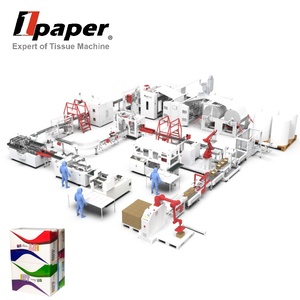
Onepaper Automatic Box Facial Tissue Interfolding Machine 380V 6 Capacity Carton Tissue Paper Converting Line Equipment
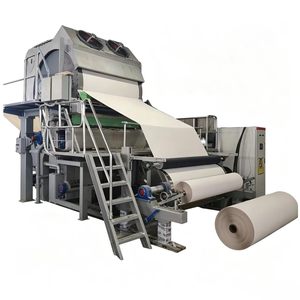
High Speed Motor & Engine PLC Tissue Paper Making Machine 60 Tons/Day Capacity Toilet Paper Facial Tissue Production
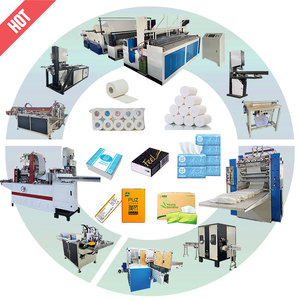
Home Use Toilet Paper Making Machine Complete Set Small Business Toilet Tissue Paper Roll Making Machine Supplies for Sale
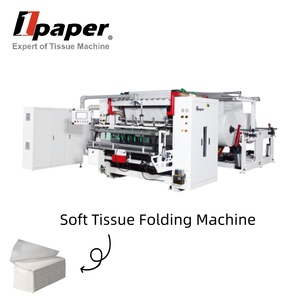
Zhejiang Wenzhou Factory Price High Efficiency Automatic Facial Tissue Folding Equipment Paper Folding Machine 120m/min 380V
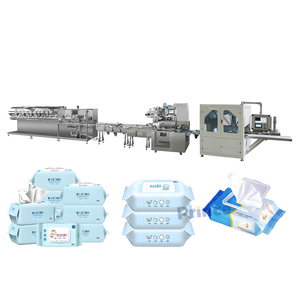
Full Automatic Wet Tissue Wipes Making Machine for Single & Multi-piece Wet Wipe Production
Executive Procurement Summary: Selecting a top-tier tissue production line exporter requires evaluating more than nominal linear operating speed. Industrial buyers must analyze Overall Equipment Effectiveness (OEE), scrap rate under dynamic tension, motion controller integration, and local service responsive bandwidth. High-performing exporters deliver fully synchronized systems combining tension-free parent roll unwinding, servo-guided interfolding, high-precision log saws, and flexible film wrap packaging.
Evaluating Top 10 Tissue Production Line Exporters & Wholesalers
The global tissue paper converting machinery market has undergone a fundamental transformation driven by shifting consumer habits, heightened demand for eco-friendly fibers, and an aggressive industry pivot toward Industry 4.0 automation. As commercial and retail demand for facial tissues, toilet paper rolls, paper towels, napkins, and non-woven wet wipes grows at a compound annual growth rate (CAGR) exceeding 5.8%, manufacturing facilities require tissue production lines capable of continuous high-speed operation with minimal unplanned downtime.
When evaluating leading tissue production machinery exporters and wholesalers, tier-one manufacturers are distinguished by their commitment to rigorous mechanical precision, advanced electrical integration, and turnkey line engineering. The evaluation methodology for identifying top-tier exporters centers on five critical technical parameters:
1. OEE & Dynamic Stability
Top exporters engineer machinery capable of achieving >92% Overall Equipment Effectiveness (OEE) at continuous operating speeds (e.g., rewinders running up to 800 m/min and interfolders operating at 120–200 m/min) with structural anti-vibration framing.
2. Servo Synchronization
Replacing mechanical gear linkages with multi-axis motion controllers (Siemens, Mitsubishi, or Beckhoff) guarantees zero-phase slipping during cutting, embossing, folding, and packaging cycles, drastically reducing raw material waste.
3. Substrate Versatility
Modern lines must seamlessly process diverse fiber compositions—including virgin wood pulp, bamboo pulp, recycled paper, and spunlace non-woven materials across basis weights ranging from 11 GSM to 45 GSM without web breaking.
Future Procurement & Operational Trends in Tissue Machinery
Procurement teams facing global economic pressure and rising fiber costs must look beyond initial machine purchase price (CapEx) to analyze Total Cost of Ownership (TCO). Over a 10-year machine operational lifecycle, energy consumption, waste generation, maintenance overhead, and changeover time outweigh initial capital investments. Machinery exporters leading the sector are driving innovation across four core vector areas:
Trend 1: Smart IoT Remote Diagnostics & Predictive Maintenance
Future-ready tissue lines integrate cloud-connected telemetry sensors monitoring bearing temperature, motor vibration torque, pneumatic pressure, and web tension in real time. Advanced edge-computing platforms detect component wear prior to mechanical failure, dispatching automated alerts to plant operators. Exporters offering integrated remote diagnostic systems empower buyers to reduce un-scheduled line shutdowns by up to 35%.
Trend 2: Eco-Conscious Substrates & Bamboo Fiber Compatibility
With global sustainability mandates pushing brands away from plastic packaging and high-carbon virgin fibers, tissue production lines are engineered to process alternative fibers. Bamboo pulp, characteristically possessing shorter fibers and higher tensile variability, requires specialized dynamic tension control belts and non-abrasive embossing rollers to prevent dust buildup and tearing during high-speed folding.
Trend 3: Rapid Tool-less Format Changeovers
E-commerce and private-label manufacturing demand smaller batch sizes and frequent product format changes (e.g., switching from 2-ply soft pack facial tissues to 3-ply pocket packs, or altering napkin folding patterns from 1/4 to 1/8 fold). Exporters utilizing motorized adjustments and recipe-based HMI touchscreens cut format changeover times from 4 hours down to under 20 minutes.
Trend 4: Sustainable Plastic-Free Paper Packaging Integration
The regulatory push toward circular economy compliance has accelerated adoption of fully paper-wrapped toilet tissue rolls and paper-soft pack facial tissues. Next-generation packaging modules must handle low-GSM kraft paper or heat-sealable biodegradable films without scorching or tearing, keeping seals airtight at speeds exceeding 80–120 packs per minute.
Tissue Converting Line Machinery Matrix Benchmark
| Equipment Category | Optimal Speed / Output | Target Substrate Range | Core Automation Technology | Primary Industrial Application |
|---|---|---|---|---|
| Facial Tissue Interfolder | 120 – 200 m/min (6-10 Lanes) | 13 – 18 GSM (Virgin / Bamboo) | Vacuum interfolding, pneumatic web tension, auto count log saw | Boxed & Soft-Pack Household Facial Tissue |
| Toilet Paper Rewinder Line | 250 – 800 m/min | 15 – 22 GSM (1 to 4 Ply) | PLC servo rewinding, automatic core feeding, tail gluing | Commercial & Consumer Toilet Paper Rolls |
| High-Speed Napkin Folder | 600 – 1000 sheets/min | 14 – 20 GSM (1 to 3 Ply) | Steel-to-rubber/steel embossing, color printing unit, auto stacking | HoReCa, Fast Food & Restaurant Table Napkins |
| Cotton Towel & Wet Wipe Line | 40 – 75 bags/min | 30 – 80 GSM Spunlace Non-woven | Liquid metering pump, multi-lane slitting, servo packaging flow-wrap | Medical, Baby Care & Personal Hygiene Wipes |
| Log Saw Cutting Machine | 150 – 220 cuts/min | All Paper Log Density Ranges | Orbital blade rotation, servo pushers, automatic sharpening system | Inline Log Cutting for Rolls & Interfolded Packs |
Industry Leadership: Andina Heavy Tissue Machinery S.A.
As a leading pioneer among global tissue production line exporters, Andina Heavy Tissue Machinery S.A. has set the benchmark for high-performance tissue paper converting and packaging automation since 1993. Serving converters, paper mills, and private-label distributors in more than 160 countries and regions, our organization operates through integrated engineering and manufacturing facilities across Shanghai, Foshan, and Chengdu.
Our competitive advantages stem from complete in-house control over key production processes—from precision CNC component machining and electronic cabinet assembly to rigorous factory acceptance testing (FAT) using real paper rolls prior to dispatch. Key operational pillars include:
In-House CNC Precision Center
Equipped with modern multi-axis CNC machining centers, guaranteeing sub-micron tolerance on all embossing cylinders, cutting shafts, and folding rollers for whisper-quiet mechanical running.
ISO & CE International Compliance
Every complete line, standalone folder, and automatic wrapper conforms strictly to European CE safety directives and ISO9001 quality system management standards.
Turnkey Engineering & After-Sales
From factory floor layout design and electrical wiring to overseas technician dispatch, operator training, and lifetime spare parts stock availability, we ensure operational success.
Frequently Asked Questions (FAQ) for Equipment Procurement
Ready to Upgrade Your Tissue Production Line?
Connect directly with our senior application engineers to receive a customized factory layout plan, detailed machinery specifications, and an instant technical quotation.
Get a Quote