Featured High-Efficiency Tissue Paper Converting Machines
Explore our flagship automated folding, rewinding, slicing, and wet tissue machinery engineered for maximum uptime and precise output control.
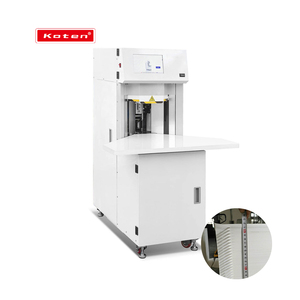
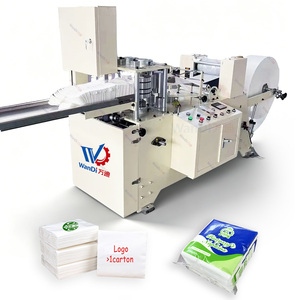
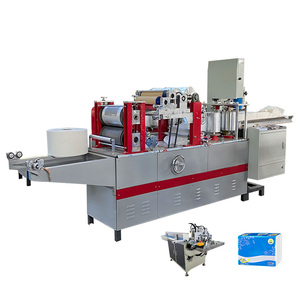
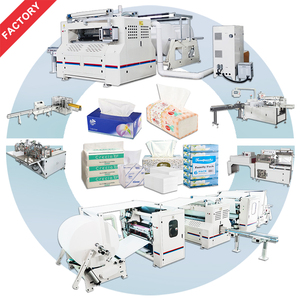
How to Evaluate Top 10 Tissue Making Machine Manufacturers & Factories
Selecting an OEM/ODM partner for commercial tissue paper production requires scrutinizing multi-axis mechanical synchronization, CNC machining tolerances, and continuous OEE metrics.
1. Structural Frame & CNC Precision
Top-tier manufacturers utilize heavy wall-board frames (25mm to 40mm cast iron or annealed steel) machined on high-precision 5-axis CNC centers. High frame rigidity prevents high-speed vibration, ensuring stable web tension during 200–1000 m/min operations.
- Vibration damping frame geometry
- In-house CNC milling for zero tolerance drift
- Extended bearing life under continuous loads
2. Multi-Servo Axis Synchronization
Modern tissue converting relies on independent servo drives for unwinding, embossing, folding, cutting, and packaging steps. Fully synchronized motion controllers (Siemens, Schneider, or Mitsubishi) eliminate mechanical chain slippage and dramatically lower breakages.
- Zero-backlash electronic gear coupling
- Instant format changeover via digital recipe presets
- Reduced web snapage across varied paper plies
3. Embossing & Lamination Expertise
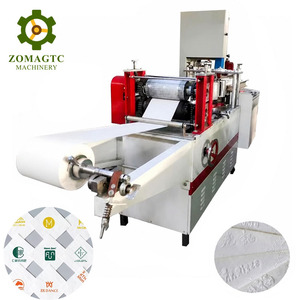
Embossing enhances tissue bulkiness, water absorbency, and tactile softness. Leading factories engineer steel-to-rubber or steel-to-steel embossing rollers with laser-engraved 3D patterns, combined with micro-glue lamination units for multi-ply products.
- Pneumatic or hydraulic pressure alignment
- Point-to-point and point-to-flat embossing capabilities
- Uniform adhesive application without ply separation
| Evaluation Factor | Tier-1 Factory Standard (e.g. Andina Heavy) | Conventional / Low-Cost Assemblers | Operational Impact on Buyer |
|---|---|---|---|
| Drive Control System | Full Servo Axis Control (Multi-motor digital lock) | Mechanical Chain / Gear Linkage | 99.2% Uptime vs. frequent mechanical wear jams |
| Operating Speeds | Facial: up to 1000 sheets/min; Toilet: 250-300 m/min | Facial: 300-500 sheets/min; Toilet: 100-150 m/min | 2x to 3x higher throughput per square meter |
| Machining Precision | In-house 5-Axis CNC wall-board processing | Outsourced manual drilling & welding | Negligible machine vibration, extended 15+ yr lifespan |
| Paper GSM Compatibility | 11 gsm to 45 gsm (Virgin, Recycled, Non-woven) | Strict 14-22 gsm restriction | Flexible raw material sourcing without web breaks |
| Remote IoT Diagnostics | Standard Cloud Gateway & PLC Remote Access | None / Local Panel Only | Immediate factory assistance without travel delay |
Why Partner with Andina Heavy Tissue Machinery S.A.?
Combining 30+ years of tissue converting heritage with three state-of-the-art manufacturing hubs across China.
Full In-House Manufacturing Control
Unlike simple system integrators who assemble third-party components, Andina Heavy Tissue Machinery S.A. maintains direct control over mechanical design, heavy metal casting, CNC precision milling, electrical assembly, and pre-shipment testing.
With three specialized production bases in Shanghai, Foshan, and Chengdu covering over 10,000 square meters, our staff of 300+ engineers and technicians ensures every machine meets stringent ISO 9001:2015 and CE standards before leaving our floor.
- Shanghai Base: Global R&D center & full turnkey production line integration
- Foshan Base: High-speed facial tissue interfolding & napkin machine center
- Chengdu Base: Heavy rewinding equipment & automated packaging assembly
E-E-A-T Service Guarantee & Global Commissioning
Investing in industrial tissue machinery requires absolute confidence in total cost of ownership (TCO) and ongoing technical support. Our enterprise service ecosystem includes:
- Real Raw Material Testing: Every machine is test-run with customer-supplied jumbo rolls prior to sea freight shipment.
- Global Engineering Deployment: On-site installation, factory acceptance testing (FAT), and operator training delivered by multi-lingual engineers in over 160 countries.
- Lifetime Spare Parts Availability: CNC precision replacement parts stocked in regional hubs for rapid 48-hour dispatch.
- Remote IoT Supervision: Integrated cloud platform allowing real-time monitoring of machine speed, power consumption, temperature, and maintenance alerts.
Key Tissue Machinery Procurement Trends for 2025–2030
Stay ahead of market shifts by specifying tissue converting machines engineered for sustainability, multi-substrate processing, and intelligent industrial automation.
1. Sustainable & Alternative Fibers
Global demand is shifting toward non-wood fibers including bamboo pulp, sugarcane bagasse, and recycled non-woven materials. Future-proof tissue machines must feature adaptive tension rollers and anti-static web controls to process lower tensile fibers without tearing.
2. Energy-Efficient Vacuum Systems
Vacuum folding systems consume a significant portion of electrical power in facial tissue and towel lines. High-efficiency blower systems with variable frequency drives (VFDs) reduce energy consumption by up to 30% compared to legacy ring blowers.
3. Automated Primary-To-Secondary Packaging
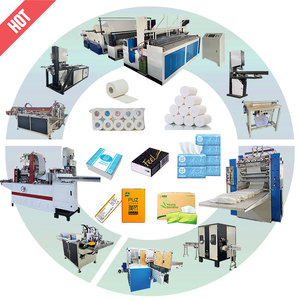
To eliminate manual labor bottlenecks, buyers increasingly demand end-to-end integration: converting → log saw slicing → primary soft packing/boxing → bundle wrapping → robotic palletizing. Fully automated lines lower operational cost per case significantly.
Technology Advancement Trends in Tissue Converting Equipment
Discover how modern mechanical and electronic innovations are elevating product quality and operational flexibility.
1. 3D Micro-Embossing & Glue-Free Lamination
Consumers now favor ultra-soft, premium-feel facial tissues and paper towels. Advanced machines incorporate multi-pattern steel-to-rubber embossing units equipped with pneumatic micro-adjustment systems. Furthermore, thermal bonding and mechanical nesting technology allow ply bonding without water-based glues, lowering consumable costs and machine maintenance.
2. Automatic Web Guiding & Tension Control
Unwinding uneven jumbo rolls can introduce uneven tension across the paper web, leading to folder jams. Next-generation converting equipment utilizes ultrasonic edge-position sensors coupled with servo-driven tension rollers to dynamically correct alignment in real-time at speeds exceeding 800 sheets/min.
3. Carbide Circular Log Saw Sharpener Technology
In tissue log saw cutting, blade sharpness dictates edge clean-cut quality and prevents roll compression. Automated log saws now incorporate continuous pneumatic self-sharpening wheels, automatic blade diameter wear compensation, and laser cut-length inspection.
4. Modular Interfolding Vacuum Head Geometry
Switching between V-fold, Z-fold, and C-fold napkin or hand towel formats traditionally required full module teardowns. Modern folding machines feature modular suction shafts that allow quick format adjustments via software recipe selection and minimal physical changeover.
Frequently Asked Questions for Tissue Machine Procurement
Direct technical and operational answers to help purchasing managers, plant engineers, and factory owners make informed equipment decisions.
Q1: What is the key difference between stand-alone tissue machines and a turnkey automated production line?
Q2: How do I select the right machine model based on my market product focus?
- Facial Tissues: Specify a V-fold or Z-fold automatic interfolding machine integrated with soft-pack flow wrapping or box packaging.
- Toilet Paper & Kitchen Towels: Require a high-speed rewinding machine with perforation, tail gluing, log accumulator, and multi-roll film wrapping.
- Restaurant Serviettes / Napkins: Choose an embossing and napkin folding machine with 1/4 or 1/8 fold geometry, optionally equipped with 1-2 color flexographic printing.
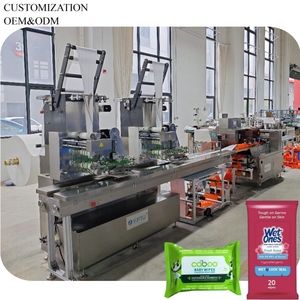
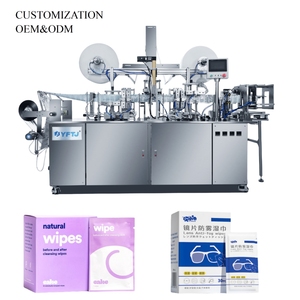
- Wet Wipes / Non-Woven Towels: Require specialized liquid dosing, slitting, cross-folding, and anti-corrosive stainless steel packaging lines.
Q3: What paper basis weight (GSM) range can these tissue converting machines process?
Q4: What floor space and electrical infrastructure are required for factory layout planning?
Q5: How does automatic embossing affect final paper quality and cost?
Q6: What post-purchase after-sales support and installation services are provided?
Q7: How can I customize packaging formats for different retail channels?
Q8: What is the typical Return on Investment (ROI) timeline for commercial tissue lines?
Request a Custom Tissue Machine Engineering Proposal & Quote
Consult with our senior application engineers to receive custom factory floor plans, technical specifications, and ROI calculations tailored to your target production capacity.
Send an Inquiry