High-Performance Tissue Converting & Packaging Systems
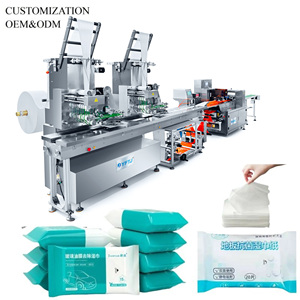
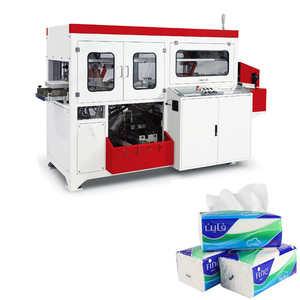
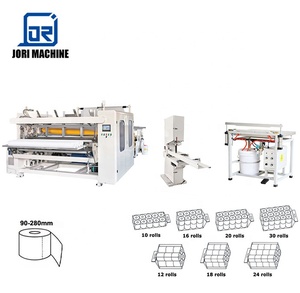
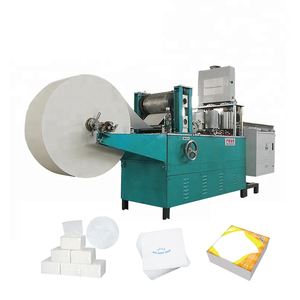
Explore our core engineering machinery for napkin production, facial tissue converting, toilet roll rewinding, and automatic soft-pack wrapped tissue lines.
Technical Whitepaper: Precision Engineering in OEM/ODM Napkin Folding Machinery
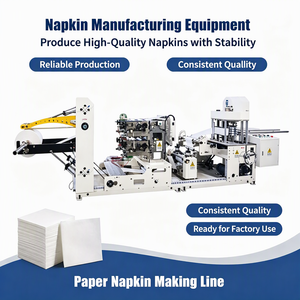
In the rapidly evolving tissue converting sector, commercial tissue paper converters and wholesale napkin producers require machinery that balances high-speed kinetic stability, flexible embossing capabilities, and minimum operational downtime. As an established OEM/ODM napkin folding machine manufacturer, Andina Heavy Tissue Machinery S.A. engineers customized production lines tailored to exact commercial specifications, ranging from standard 1/4 fold table napkins to high-end 1/8 fold dinner napkins, multi-color printed restaurant tissue, and specialized airlaid non-woven towel systems.
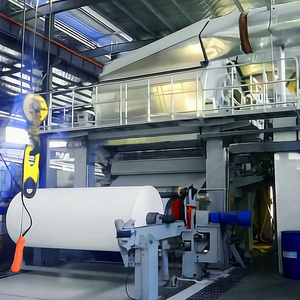
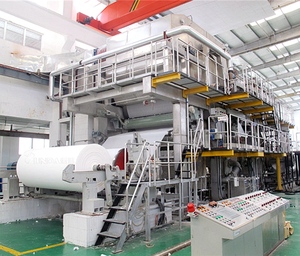
The core of modern OEM/ODM napkin production lies in mechanical alignment, constant web tension regulation, and precise vacuum or mechanical folding synchronization. When converting tissue raw material (ranging from 13 gsm virgin wood pulp to 30 gsm recycled or bamboo fibers), the machine must compensate for web elasticity, cross-directional tensile variations, and moisture fluctuations. Modern full-servo napkin machinery eliminates traditional mechanical gearbox play, enabling micro-step timing adjustments that yield razor-sharp fold lines even at linear web speeds exceeding 800 to 1200 meters per minute.
Information Gain Key Metric: Upgrading from legacy mechanical transmission napkin folders to direct-drive multi-servo systems reduces mechanical noise below 72 dBA, decreases raw material web-break waste by 42%, and shortens product size changeovers from 4 hours down to less than 45 minutes.
Customization options (OEM/ODM vectors) provided by specialized manufacturers focus on three main sub-assemblies:
1. Precision Embossing Units
Steel-to-rubber, steel-to-paper, or steel-to-steel rollers with laser-engraved micro or edge-embossing patterns. Heated embossing cylinders enhance ply adhesion without chemical laminating glues.
2. Flexographic Printing Modules
Integrated 1-to-4 color water-based ink flexo printing units with closed-loop doctor blade systems, ceramic anilox rollers, and infrared (IR) forced-air drying chambers for food-grade napkin compliance.
3. Kinematic Folding Heads
Vacuum-assisted suction folding or high-speed rotary mechanical folding blades designed for 1/4, 1/8, 1/6, M-fold, and Z-fold configurations, interfacing directly with automated banding and packing lines.
Industry & Future Procurement Trends in Napkin Folding Machinery (2025–2035)
Global market demand for napkin tissue products is shifting dramatically toward eco-friendly substrates, customized branding, and lean automated manufacturing. B2B wholesalers and tissue converting plant directors must evaluate four macro trends when procuring napkin processing lines:
Transition to Full-Servo Motion Control
Legacy chain-and-gear transmission drives are rapidly being phased out. Modern procurement mandates independent servo motor control for parent roll unwinding, embossing, slitting, folding, and transfer counting to eliminate web slack and dynamic wear.
Sustainable & Alternative Fiber Compatibility
With environmental regulations curbing virgin forestry, napkin folding machines must process unbleached bamboo pulp, bagasse (sugarcane fiber), and non-woven airlaid materials without tearing or creating excessive fiber dust buildup inside vacuum valves.
Smart Factory & IoT Analytics Integration
Industrial IoT integration allows plant managers to track Overall Equipment Effectiveness (OEE) in real time. Embedded sensor arrays monitor bearing temperature, vacuum levels, blade wear, and web tension, providing predictive maintenance alerts via edge gateway architectures.
Fully Synchronized Downstream Packaging
Stand-alone napkin folders are being integrated directly with automatic napkin bundling, film wrapping, carton packing, and robotic palletizing systems to eliminate manual product handling, ensure hygiene, and lower total labor costs.
Why B2B Buyers & Wholesalers Partner with Andina Heavy Tissue Machinery S.A.
Selecting an OEM/ODM machinery vendor requires auditing engineering infrastructure, quality assurance protocols, and long-term technical support capabilities. Since 1993, Andina Heavy Tissue Machinery S.A. has grown to operate three specialized production bases spanning over 10,000 square meters across Shanghai, Foshan, and Chengdu, supported by a workforce of over 300 skilled engineers and technicians.
In-House CNC Machining Center
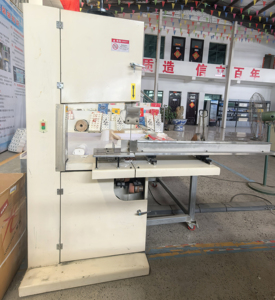
Every critical component, including folding shafts, wall plates, and roller frames, is milled on high-precision multi-axis CNC machine tools, ensuring strict dimensional tolerances and long machine operational life.
Rigorous Factory Acceptance Testing (FAT)
Before shipment, each machine undergoes a 72-hour continuous trial run with customer-specified paper substrates to verify web tension stability, folding accuracy, and print registration consistency.
Comprehensive Global Field Service
With equipment deployed in over 160 countries, our technical response network provides remote PLC online diagnostics, fast spare parts logistics, and on-site engineer installation and operator training.
Procurement FAQ: Technical Insights for Plant Engineers & Buying Agents
Below are technical answers to common engineering and commercial questions asked by tissue converting plant managers during the equipment selection process.
What paper raw material weights (GSM) and ply configurations are compatible with your napkin folding machinery?
What are the key technical differences between mechanical folding and vacuum-assisted folding systems?
Can one napkin folding machine produce multiple folding styles (e.g., 1/4 fold and 1/8 fold) on the same line?
How does the flexographic printing unit ensure precise multi-color registration without ink smearing?
What electrical standards and safety certifications do your machines meet for European and North American installations?
What is the average lead time for a custom OEM/ODM napkin folding machine or complete packaging line?
Request a Custom Engineering & Quotation Proposal
Consult directly with our application engineers regarding target line speed, folding formats, custom embossing engraving, and factory space integration.