Green, Energy-Efficient Tissue Converting Since 1993 [email protected]
EN

OEM/ODM Facial Tissue Making Machine Supplier & Wholesaler

High-Precision Tissue Machinery Engineering, Turnkey Automated Lines & Custom OEM/ODM Manufacturing by Andina Heavy Tissue Machinery S.A.

E-E-A-T Certified Industrial Engineering

Thirty Years of Converting Machine Innovation & Global Scale

Established in 1993, Andina Heavy Tissue Machinery S.A. operates as a premiere OEM/ODM facial tissue machine supplier, offering custom automated converting systems across 160+ international markets.

30+
Years Industry Authority
3
Production Bases
300+
Specialized Engineers
50+
National Patents
160+
Global Export Regions

Advanced OEM/ODM Manufacturing Infrastructure

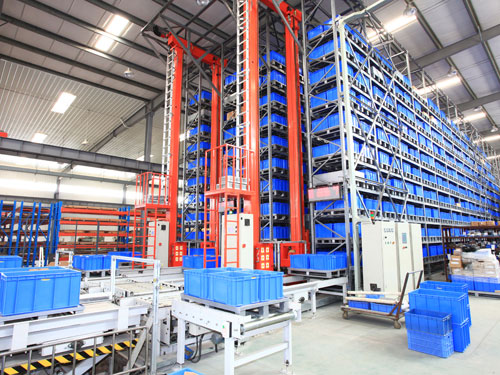
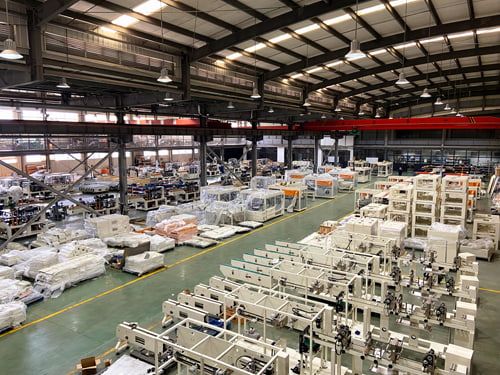
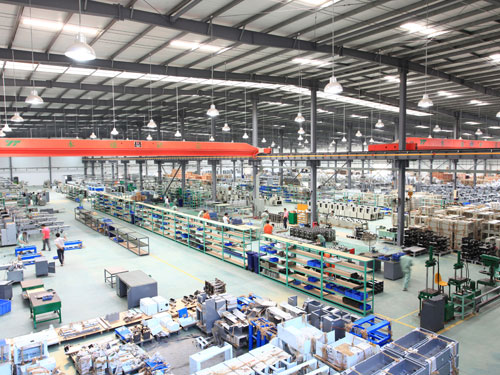
In the specialized domain of tissue paper converting machinery, capital investment efficiency and mechanical reliability are paramount. Andina Heavy Tissue Machinery S.A. operates three advanced manufacturing complexes located strategically in Shanghai (Qingpu Industrial Zone), Foshan, and Chengdu, encompassing over 10,000 square meters of high-precision machine assembly halls.

Our ISO9001-certified and CE-compliant engineering framework integrates heavy cast-iron wallboards (ranging from 25mm to 40mm thickness) to guarantee structural rigidity and eliminate operational vibration during continuous 24/7 high-speed production. With an in-house CNC machining center maintaining tolerance thresholds down to ±0.005mm, we deliver customized converting lines engineered for maximum speed stability, minimum web breakages, and long-service longevity.

From standard interfold facial tissue making machines to specialized multi-ply embossing units and integrated high-speed log-saw wrapping systems, our OEM/ODM manufacturing capability ensures that paper converters receive tailor-made machinery configured exactly to their factory footprint, target sheet GSM, and market pack formats.
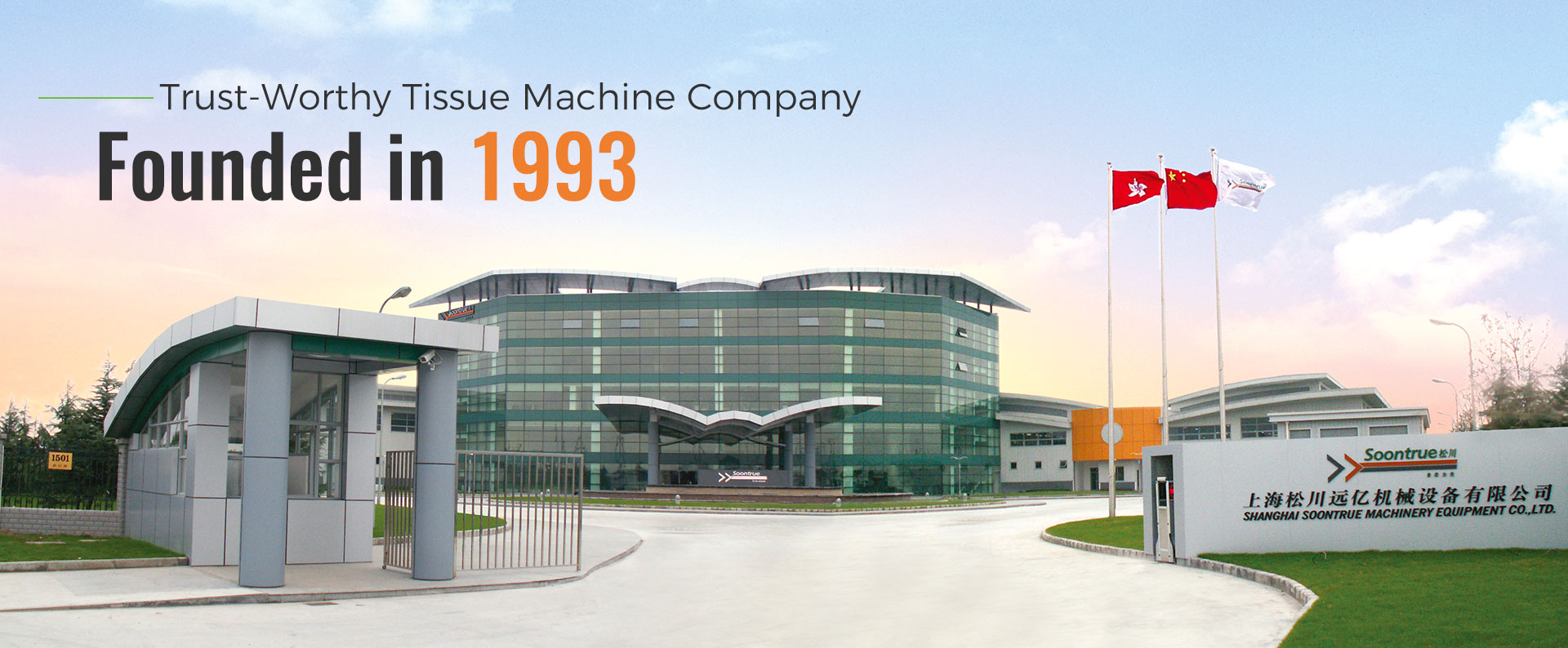
Andina Heavy Tissue Machinery Manufacturing Base
Product Catalog & Machinery Portfolio

Featured Facial Tissue & Converting Equipment

Explore our top-performing facial tissue converting lines, automatic folding systems, and high-speed packaging machinery available for OEM/ODM customization and global wholesale.

Small Investment Facial Tissue Production Line

Low-Investment Embossing Facial Tissue Production Line

Compact converting line equipped with steel-to-rubber embossing rolls, PLC speed regulation, and precise V-folding for emerging tissue converters.

View Specs & Detail
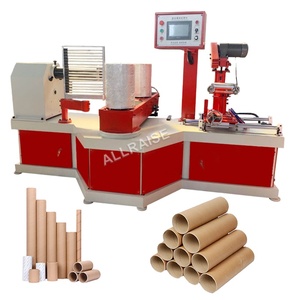
Spiral Paper Core Cutter Machine

High Quality Spiral Paper Core Cutter Machine

Heavy-duty tube core slitting unit designed for facial tissue and toilet roll core manufacturing with pneumatic blade positioning and high tolerance cuts.

View Specs & Detail
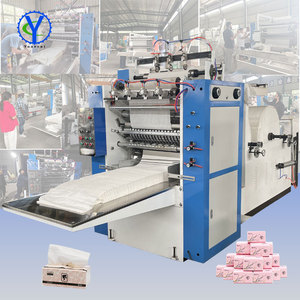
Fully Automatic Multi Size Tissue Machine

Automatic Multi-Size Tissue Paper Machine

Multi-format folder supporting rapid width changeovers, automatic counting, and vacuum adsorption folding for flexible product catalogs.

View Specs & Detail
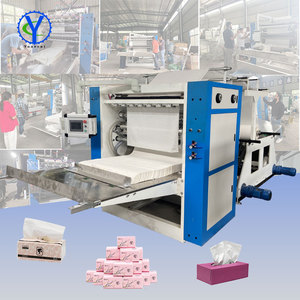
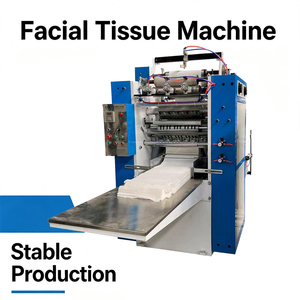
Automatic Facial Tissue Making Machine

Fully Automatic High-Speed Facial Tissue Machine

Industrial-grade interfolding line delivering up to 200m/min mechanical speeds, complete with web tension control and auto pneumatic stacking.

View Specs & Detail
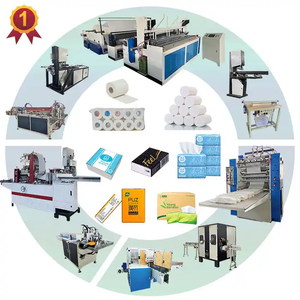
Semi-Automatic Tissue Packaging Line

Semi-Automatic Facial Tissue & Napkin Machine Line

Versatile combo converting machine handling tissue, napkin, and roll paper converting with semi-auto bundling and low operational overhead.

View Specs & Detail
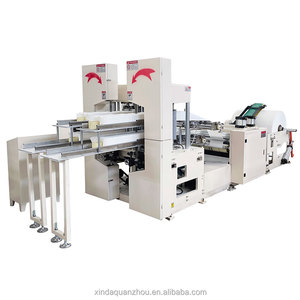
Complete Automatic Paper Napkin Facial Tissue Machine

Complete High-Speed Automatic Napkin & Tissue Line

Integrated high-capacity production system featuring full embossing, precision longitudinal slitting, transfer tracking, and inline packaging.

View Specs & Detail
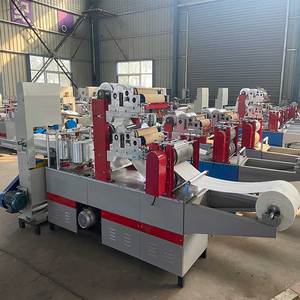
High Speed Tissue Napkin Machine

Cost-Effective High-Speed Tissue Napkin Making Machine

Factory-direct napkin converting unit engineered for 1/4 fold, 1/8 fold, and custom branding embossing with low power consumption.

View Specs & Detail
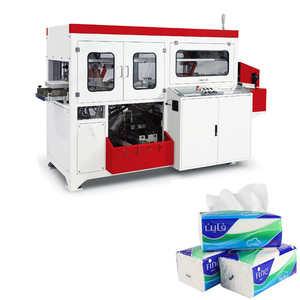
Facial Tissue Converting & Packing Line

Full Automatic Facial Tissue Converting & Packing Line

Turnkey line coupling interfolding folders with continuous log-saw cutting and servo-driven flow wrapping or cartoning units.

View Specs & Detail
Industry Technological Trends

Next-Generation Engineering Innovations in Tissue Machinery

The global tissue converting market is undergoing a rapid transition toward high-speed automation, reduced energy footprints, and flexible multi-substrate capability. Understanding these technology vectors enables tissue manufacturers and distributors to select capital machinery with high long-term ROI.

1. Closed-Loop Multi-Axis Servo Control

Legacy mechanical line shafts are being replaced by multi-axis servo drive architectures (e.g., Siemens S7-1500 / Mitsubishi Motion Controllers). Servo synchronization between unwinding stands, vacuum folding drums, and log saw channels reduces web tension variations by up to 94%, practically eliminating paper snapping even at speeds over 220 m/min.

2. Non-Woven & Eco-Substrate Versatility

Modern facial tissue lines must process diverse fiber matrices: 100% virgin wood pulp, recycled fiber blends, bamboo pulp, and spunbond non-woven cotton fabrics. Advanced pneumatic tensioning and laser-cut slitting knives enable clean converting without producing airborne lint or damaging delicate web fibers.

3. Plastic-Free & Paper-Wrap Automation

Driven by global environmental legislation, packaging units integrated into facial tissue machines are transitioning from PE/CPP plastic soft packs to recyclable kraft paper over-wrapping and carton box sealing, operating at rates from 50 to 120 packs per minute with zero plastic waste.

4. Edge IoT Remote Diagnostics & Predictive Maintenance

Integrated telemetry modules collect real-time data on bearing vibration, motor thermals, pneumatic pressure drops, and knife edge wear. Our IoT platform allows plant managers and Andina remote engineers to perform preventive diagnostic adjustments before component wear leads to unscheduled plant downtime.

Strategic Buying & Procurement Roadmap

Future Procurement Trends & Total Cost of Ownership Analysis

Evaluating capital machinery for facial tissue manufacturing requires analyzing Total Cost of Ownership (TCO), energy footprint, changeover efficiency, and modular upgrade capability.

Technical Line Comparison Matrix

The matrix below benchmarks key parameters across entry-level converting equipment, fully automated high-speed production lines, and custom OEM/ODM modular setups:

Machine Tier Category Design Speed Compatible Substrates Embossing & Folding Options PLC / Drive System Optimal Target Buyer
Entry Semi-Automatic Line 60 – 100 m/min Virgin Pulp, Recycled Paper (13–20 gsm) Single Steel-to-Rubber, V-Fold (Vacuum) Delta / Omron PLC, Frequency Inverter Start-ups, regional converters, low CapEx projects
High-Speed Automatic Line 150 – 220 m/min Virgin, Bamboo, Multi-ply (12–22 gsm) Steel-to-Steel / Point-to-Point, Interfold Siemens Motion PLC, Multi-Servo System Commercial paper mills, private-label brands
Custom OEM/ODM Platform Configurable (up to 250 m/min) Virgin, Recycled, Bamboo, Non-woven Cotton Modular quick-change rolls, V/N/Z Fold Full Servo Edge-IoT Architecture Global FMCG manufacturers, specialized OEMs

Key Procurement Drivers for 2024–2030:

  • CapEx Optimization via Modular Expansion: Procurement managers are prioritizing converting equipment with modular frames that allow retrofitting extra unwind stands, embossing units, or automatic log saws as market demand scales.
  • Energy Efficiency Benchmarking: Modern high-speed facial tissue machines reduce overall power consumption (kWh per converted ton) by utilizing high-efficiency IE3/IE4 motors and regenerative braking energy recovery.
  • Reduced Skilled Labor Requirement: Fully automated lines integrating auto-splicing unwinders, automatic web alignment, and inline robotic carton packing allow a single operator team to supervise multiple production lines.
Tailored Engineering Workflow

Custom OEM/ODM Manufacturing Process

From initial substrate testing to custom CAD line layouts and site commissioning, Andina follows a structured engineering protocol for tailored machinery builds.
01
Substrate & Spec Audit
Evaluating target paper GSM, tensile strength, ply count, sheet dimensions, and required folding geometry (V/N/Z interfold).
02
Kinematic 3D CAD Design
Custom engineering of machine frame, roller diameter, vacuum drum air channels, and electrical drive architecture in SolidWorks.
03
Precision CNC Machining
In-house milling of 30-40mm heavy wallboards, dynamic balancing of folding rollers, and laser hardening of slitting blades.
04
Factory Acceptance Test (FAT)
Continuous 72-hour trial runs conducted with buyer paper stock to verify operational speed, pack quality, and zero-defect output.
05
Global Delivery & Support
Custom sea-worthy wooden crating, overseas engineer deployment for installation, operational training, and lifetime spare parts backing.

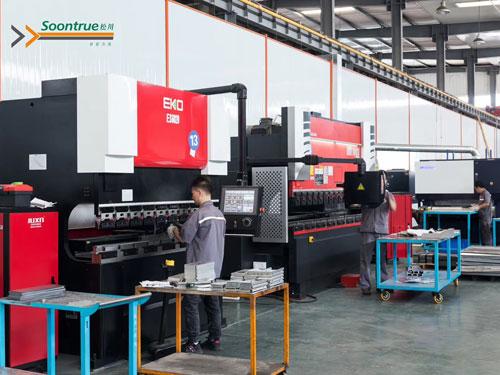
Inside Our Production Base & Assembly Workshop

Buyer Procurement FAQ

Frequently Asked Questions for Tissue Machine Procurement

Expert answers regarding technical parameters, output capacity, custom OEM configuration, and global after-sales support.

Which tissue products can your converting and packaging machines process?
Our equipment portfolio covers the full range of household and away-from-home paper goods: V-fold and interfolded facial tissue (soft-pack and box formats), folded paper napkins (1/4 fold, 1/8 fold, cocktail napkins), toilet tissue rolls and kitchen towels, handkerchief pocket tissues, N-fold / Z-fold hand towels, non-woven spunbond cotton facial towels, and high-speed sanitary napkin converting systems.
Do you provide complete turnkey production lines or individual stand-alone machines?
We supply both. Buyers can purchase individual equipment components (such as stand-alone interfold folders, spiral core winders, rotary log saws, or flow-wrapping machines) to relieve specific plant bottlenecks, or commission fully integrated turnkey production lines synchronized under a single central master PLC control architecture.
What international quality certifications and engineering standards do your machines adhere to?
Our manufacturing operations are certified under ISO9001 Quality Management Systems, and all converting machinery carries official European CE certification. Furthermore, our R&D division holds over 50 national invention and utility patents covering vacuum folding drums, dynamic web tension control, and high-speed log-saw cutting blades.
How does your OEM/ODM program accommodate custom packaging dimensions and sheet counts?
Every machine line can be tailored to meet your regional market requirements. Packaging dimensions, sheet counts (e.g., 50 to 250 sheets per pack), ply configurations (1 to 4 plies), and bag style (soft pack, carton box, multi-pack bundling) are adjustable. For instance, our servo-driven cotton tissue packing units handle custom bag sizes at speeds from 40 to 75 bags per minute with toolless changeovers.
What technical data is needed to receive a formal quotation and line layout engineering drawing?
To generate an accurate technical proposal and line layout, please provide: (1) Finished product type and folding format, (2) Substrate specifications including GSM weight, ply count, and parent roll diameter/width, (3) Desired production capacity (tons/day or sheets/min), (4) Preferred packaging type (soft pack, box, single roll wrapping), and (5) Available factory floor dimensions and local electrical power supply (e.g., 380V 50Hz 3-Phase).
What global after-sales service and technical support do overseas buyers receive?
We offer comprehensive international technical backing including on-site factory installation guidance, electrical and mechanical commissioning, local operator training, quick-dispatch spare parts supply, and integrated cloud-based IoT remote telemetry for real-time equipment troubleshooting.
How do your machines maintain consistent tension when processing lightweight tissue papers (13–15 GSM)?
Lightweight paper webs are vulnerable to tearing under sudden velocity changes. Our machines utilize magnetic powder brake unwinding systems coupled with pneumatic dancer arms and closed-loop PID servo feedback controllers. This setup maintains constant linear web tension regardless of parent roll diameter changes during high-speed unwinding.
What lead time is typically required for custom OEM facial tissue machine manufacturing?
Standard stand-alone facial tissue converting machines are produced in approximately 30 to 45 days. Fully customized high-speed production lines with specialized embossing rollers, automated log saw cutters, and robotic packing units typically require 60 to 75 days for complete engineering, CNC machining, assembly, and 72-hour Factory Acceptance Testing (FAT).

Request a Tailored Machine Quotation & Factory Layout Plan

Consult with Andina senior application engineers to review your substrate specifications, plant space requirements, and production targets for an optimized facial tissue manufacturing line.