High-Speed Tissue Converting & Packaging Systems
Explore our flagship OEM/ODM tissue machinery series engineered for maximum line efficiency, minimal operational waste, and multi-format commercial flexibility.
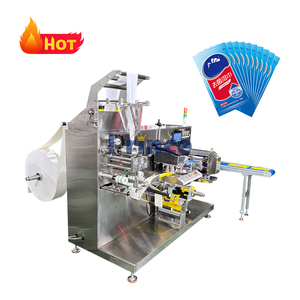
Automatic Single Piece Wet Tissue Wipes Packaging Machine
Designed for single-sheet wet napkin and baby wipe conversion. Integrates liquid dosing, film cross-folding, and hermetic four-side sealing at high speed.
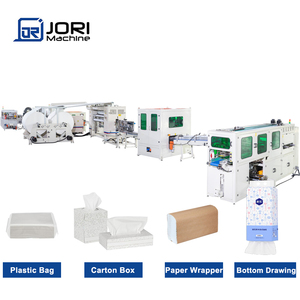
CE Certified Automatic V Fold Interfold Facial Tissue Machine
PLC-controlled high-speed interfold vacuum folding unit. Features automated web tensioning, edge embossing modules, and precision longitudinal slitting.
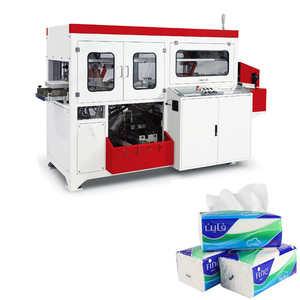
Full Automatic Tissue Paper Packing Machine
Multi-servo wrapped system for facial tissue soft packs and box bundles. Guarantees tight film wrapping, clean end-seals, and ultra-fast dimensional changeovers.
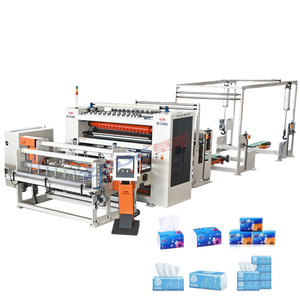
ZODE V7L Fully Automatic Facial Tissue Folding Machine Line
Heavy-duty 7-lane output folder with advanced suction folding technology. Optimized for high-tonnage production environments targeting low unit costs.
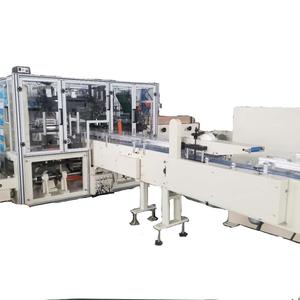
High Speed Automatic Tissue Paper Packing Machine
International export model engineered for continuous high-speed soft-pack bundling. Proven reliable operation across Southeast Asia, Africa, and South America.
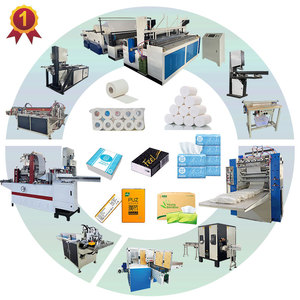
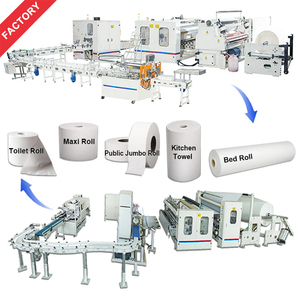
Automatic Tissue Napkin & Toilet Roll Production Line
Flexible complete factory plant setup. Integrates rewinding, embossing, log saw cutting, and tissue wrapping into one continuous automated system.
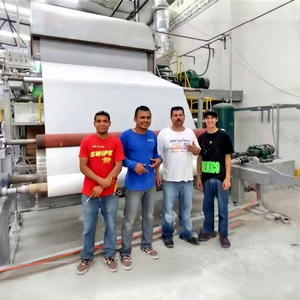
Full Automatic Waste Paper Recycling Tissue Making Machine
Eco-friendly tissue pulp processing and converting combination line. Utilizes recycled fibers to generate soft commercial facial and toilet paper logs.
Small Toilet Paper Perforating & Rewinding Machine
Compact footprint rewinder fitted with pneumatically controlled perforation blades, edge embossing units, and variable coreless winding capabilities.
Technical Architecture of Next-Generation Facial Tissue Machine Lines
In the contemporary paper converting industry, achieving high Operational Equipment Effectiveness (OEE) while processing low-grammage virgin or recycled pulp fibers requires exceptional mechanical precision. Facial tissue production machinery operates through synchronized mechanical phases: unwinding parent rolls, longitudinal slit-cutting, vacuum interfolding, log saw cutting, and primary/secondary packaging. Advanced OEM/ODM machinery engineering focuses on suppressing vibrational harmonic distortion at web speeds exceeding 200 meters per minute.
A critical engineering differentiator in modern interfold facial tissue equipment lies in vacuum suction folding technology. Unlike traditional mechanical claw folders that induce mechanical stress and web tears on light tissues (13–18 g/m²), dynamic multi-stage vacuum folding cylinders gently guide web edges into precise V-fold, Z-fold, or W-fold configurations. By decoupling paper tension from the folding mechanical contact, line breakages are reduced by up to 78%, enabling tissue mills to maintain sustained throughput over multi-shift operational schedules.
Technical Information Gain Insight: Vacuum-assisted interfolding cylinders utilizing independent servo drive shafts eliminate mechanical gear backlash, guaranteeing sheet folding alignment tolerances within ±0.5 mm even during rapid speed acceleration cycles.
Constant-Tension Unwinding
Pneumatic unwinding stands equipped with closed-loop load-cell sensor feedback adjust brake torque dynamically to offset changing parent roll diameters.
Point-to-Point Embossing
Steel-to-rubber or steel-to-steel embossing units enhance tissue softness, bulk volume, and ply bonding strength without compromising web tensile properties.
High-Speed Log Saws
Orbital blade log saws fitted with micro-mist lubrication and automated CBN blade grinding ensure burn-free, pristine cut faces on tissue logs.
OEM vs ODM Customization Capabilities for Global Tissue Converters
Global tissue markets exhibit distinct consumer preference profiles. North American and European sectors demand high-sheet-count boxed facial tissues with heavy point-to-point micro-embossing. Conversely, emerging e-commerce markets across Southeast Asia, Latin America, and Africa prioritize soft-pack facial tissues with compact, high-density bundling. For equipment buyers, partnering with a machinery manufacturer capable of both OEM contract manufacturing and complete ODM engineering customization is vital.
Custom OEM/ODM flexibility encompasses every subsystem along the tissue line:
- Parent Roll Diameter Adaptation: Engineering unwind stands accommodating roll widths up to 2800 mm and outer diameters reaching 1500 mm.
- Modular Multi-Lane Scaling: Customizing lane counts from 2-lane regional converter models to 12-lane high-speed industrial lines yielding over 200 logs/minute.
- Packaging Format Versatility: Direct line synchronization into automated soft-pack wrapping units, cardboard box cartoning machines, or e-commerce multi-pack bundle heat shrinkers.
- Custom Embossing Pattern Development: Precision laser-engraved embossing rollers incorporating custom brand logos, 3D floral patterns, or specialized ply-bonding geometries.
OEM/ODM Production Line Parameter Options
| Machine Specification Parameter | Standard Commercial Line | Advanced ODM Custom Line |
|---|---|---|
| Raw Material Applicability | 13–18 g/m² (2-ply/3-ply Virgin Fiber) | 11–22 g/m² (Virgin Pulp, Bamboo Fiber, Recycled Pulp) |
| Converting Design Speed | 800–1000 sheets/min/lane | Up to 1200+ sheets/min/lane (Servo Vacuum Control) |
| Finished Fold Styles | V-Fold (Interfold) / Z-Fold | V, Z, W Fold & Custom Sheet Cut Lengths |
| Drive Architecture | AC Variable Frequency Drive (VFD) + Chain | Full Motion-Control Multi-Axis Direct Servo System |
| Embossing System | Steel-to-Rubber Micro/Macro Emboss | Steel-to-Steel Point-to-Point / 3D Nested Embossing |
| Packaging Integration | Semi-Auto or Manual Transfer | Fully Automated Sync with Log Saw, Soft Packer & Case Packer |
Technological Trends Reshaping Tissue Converting Equipment (2025–2030)
The global tissue paper machinery landscape is undergoing a technological shift driven by three core operational demands: smart factory automation, energy decarbonization, and alternative raw material processing flexibility.
1. Industry 4.0 & Industrial Internet of Things (IIoT) Integration
Modern tissue converting plants require total transparency into operational metrics. Advanced facial tissue machinery now integrates IIoT telemetry suites. Embedded vibration sensors on main bearing blocks, thermographic motor monitoring, and optical web-defect camera systems stream real-time data to edge PLC units. Predictive maintenance algorithms alert plant engineers to potential bearing wear or knife dulling hours before line failure occurs, effectively mitigating unscheduled downtime costs.
2. Transition to Non-Woven & Eco-Friendly Sustainable Fibers
With global sustainability mandates restricting single-use plastics and promoting sustainable forestry, raw material streams are diversifying. Tissue converters are rapidly expanding into bamboo fibers, unbleached organic virgin pulps, and non-woven spunlace cotton fibers. Machinery must adapt to widely varying fiber tensile strengths, friction coefficients, and dust generation levels. State-of-the-art ODM tissue machinery features dust extraction hoods strategically positioned over slitting knives and folding rollers to prevent fiber buildup and maintain airborne particulate compliance.
3. Servo Motor Dynamic Energy Recovery Systems
Energy costs represent a major proportion of ongoing paper converting operational expenses. High-speed tissue production lines equipped with multi-axis servo networks utilize shared DC-bus power architectures. During rapid deceleration phases of log saws or film feeders, regenerative braking energy is harvested and routed directly to accelerating drive motors. This closed-loop power management reduces line electricity consumption by 14% to 22% compared to legacy line-shaft machinery setups.
Strategic B2B Procurement Guidelines: Optimizing Total Cost of Ownership (TCO)
When evaluating international OEM/ODM tissue machine suppliers, procurement teams must look beyond initial capital expenditure (CAPEX) and rigorously evaluate long-term Total Cost of Ownership (TCO). A low-cost machine with frequent web breaks, lengthy dimensional changeovers, and unoptimized film wastage quickly erodes manufacturing profit margins.
1. Evaluate Scrap & Waste Rates
High-performance tissue conversion lines maintain raw paper waste rates under 1.5%. Verify automatic web splicing precision and dynamic trim removal capabilities during supplier Factory Acceptance Testing (FAT).
2. Changeover Speed & Tooling
Market demands require fast pivoting between sheet counts (e.g., 80s to 150s) and pack sizes. Select machinery engineered with tool-less recipe changes saved directly within the HMI touchscreen panel.
3. Component Standardization
Ensure critical electrical and pneumatic components are sourced from globally recognized suppliers (e.g., Siemens, Schneider, Omron, Festo) to guarantee off-the-shelf spare parts availability locally.
Why Global Converters Choose Andina Heavy Tissue Machinery S.A.
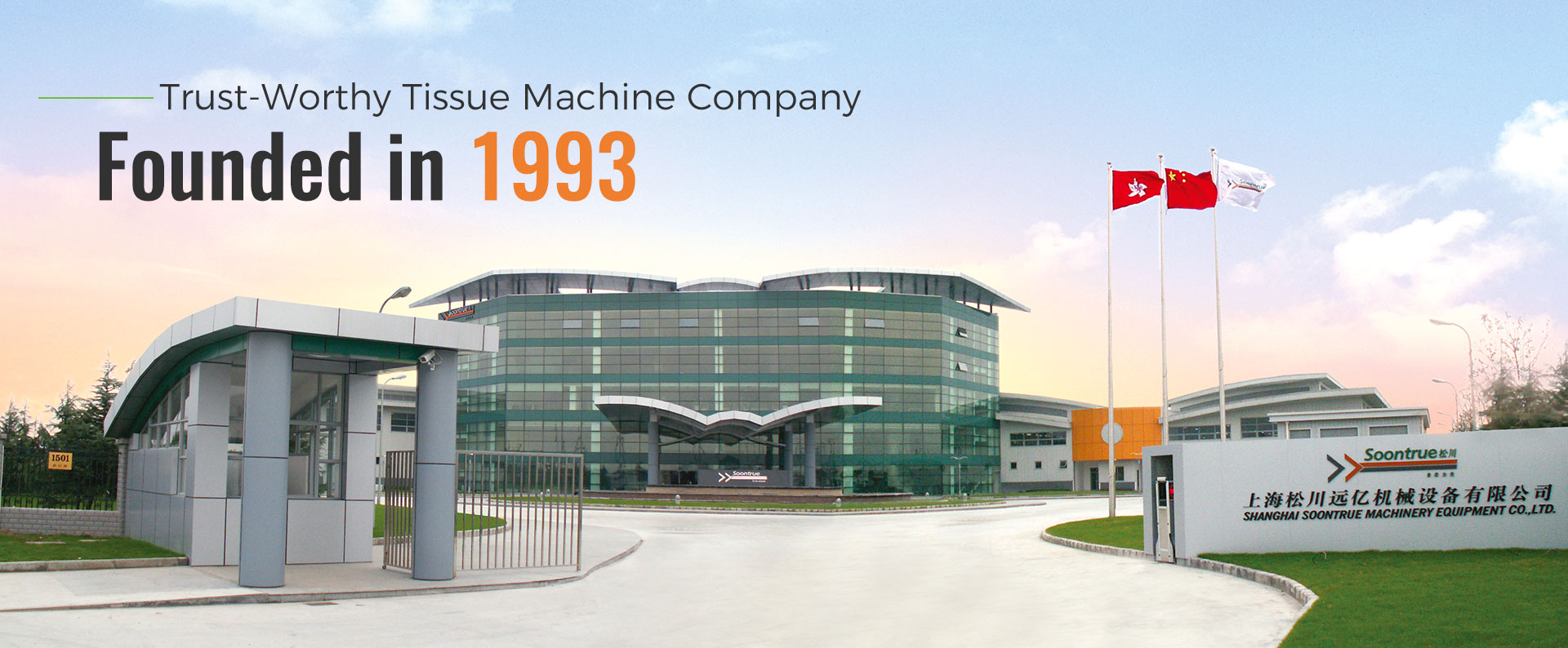
Founded in 1993, Andina Heavy Tissue Machinery S.A. has established itself as an engineering powerhouse in tissue paper converting and packaging technology. Operating across three state-of-the-art production bases in Shanghai, Foshan, and Chengdu, our manufacturing campus spans over 10,000 square meters of specialized heavy-duty machining and assembly bays.
- 30+ Years of Machinery Innovation: Dedicated exclusively to tissue converting, roll rewinding, and flexible packing machinery manufacture since 1993.
- 3 Production & CNC Precision Centers: In-house heavy CNC machining centers located in Shanghai, Foshan, and Chengdu ensuring complete component quality control.
- ISO & CE International Certification: Compliant with strict European safety standards and backed by over 50 national engineering patents.
- Global Installation Footprint: Trusted by tissue manufacturing enterprises in over 160 countries with remote IoT diagnostic support and engineer dispatch.
Frequently Asked Questions for B2B Procurement
Comprehensive engineering and technical answers to assist procurement managers and plant directors in machine selection.
Which tissue paper formats and products can your converting machines process?
What OEM/ODM customization options are available for specialized production lines?
How do your machines ensure operational stability when processing low-GSM tissue paper?
What safety standard compliance and quality certifications do your machines possess?
What after-sales, installation, and technical support services do overseas buyers receive?
What information should we provide when requesting a custom machinery price quote?
Ready to Upgrade Your Tissue Converting Line Capacity?
Connect directly with our application engineering team to consult on custom plant layouts, machine capacity sizing, and complete turnkey price proposals.
Send an Inquiry