Featured Tissue Converting Machinery Lineup
Precision-engineered tissue folding, embossing, rewinding, and high-speed packaging equipment designed for OEM/ODM scalability.
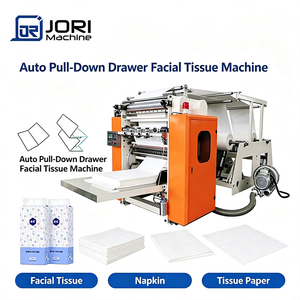
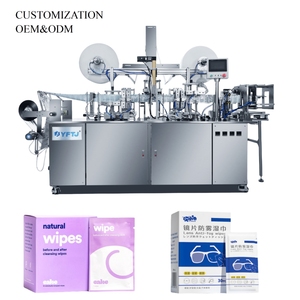
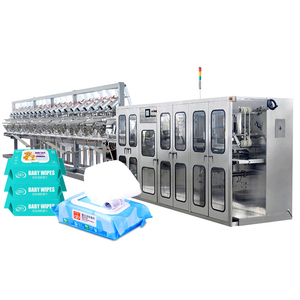
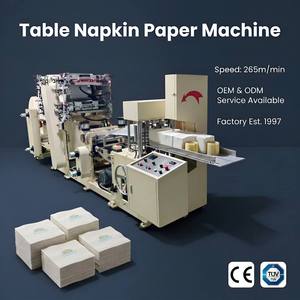
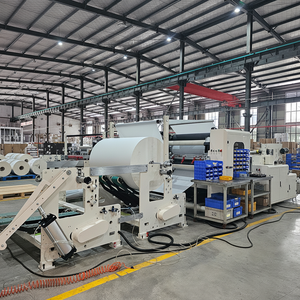
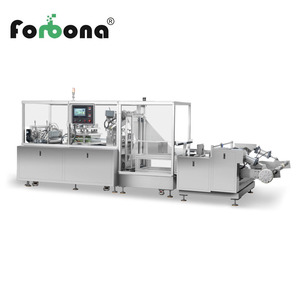
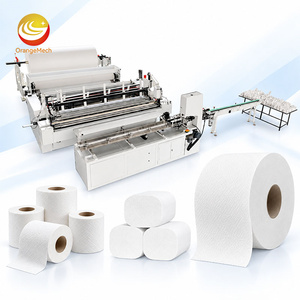
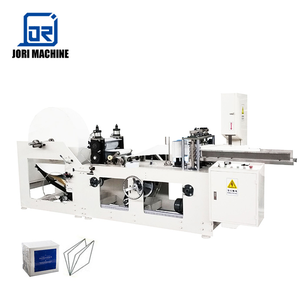
The Evolving Architecture of OEM/ODM Facial Tissue Embossing Machinery
The global tissue paper converting sector is undergoing a structural transition toward high-speed automation, digital embossing customization, and sustainable raw material handling. As consumer demands shift toward multi-ply softness, localized surface textures, and non-wood alternative fibers (such as virgin bamboo pulp and sugarcane bagasse), primary tissue converters and private-label brand owners require OEM/ODM manufacturing partners capable of delivering ultra-precise engineering solutions.
Andina Heavy Tissue Machinery S.A. operates across three specialized industrial production hubs in Shanghai, Foshan, and Chengdu. Combining over three decades of proprietary machine design with in-house CNC heavy machining, automated dynamic roll balancing, and integrated servo-driven PLC architectures, Andina delivers custom OEM/ODM solutions engineered to maintain structural dimensional stability across high-volume production cycles.
Precision Embossing Mechanical Engineering: Steel-to-Steel vs. Steel-to-Rubber
Embossing is not merely an aesthetic modification; it fundamentally dictates tissue bulk, caliper feel, water absorption rate, and ply bonding strength. Custom OEM/ODM requests frequently require tailored embossing roll configurations based on the targeted market segment (e.g., ultra-soft facial sheets, commercial institutional wipers, or textured napkins).
| Embossing Type | Technical Mechanism | Ideal Application | Engineering Advantages |
|---|---|---|---|
| Steel-to-Rubber (S2R) | Laser-engraved hardened steel male roll pressing against a precise shore-hardness rubber female roll. | Facial tissue, medical wipes, soft pocket napkins. | Preserves tactile softness, delivers high bulk enhancement, reduces fiber breakage on delicate 13-15 gsm sheets. |
| Steel-to-Steel (S2S) | Dual synchronized CNC laser-engraved steel rollers operating under tight pneumatic clearance control. | High-definition logo napkins, heavy-duty kitchen towels, industrial wipers. | Provides crisp pattern clarity, exceptional ply-lamination strength, extreme wear resistance over long production runs. |
| Nested / Point-to-Point | Micro-embossing points glued tip-to-tip or nested between plies using precise glue application units. | 3-ply and 4-ply premium facial tissue lines. | Creates internal air pockets that maximize softness while increasing total absorption capacity by up to 35%. |
Our custom OEM/ODM factories utilize 3D CAD dynamic stress modeling and high-precision laser engraving on 45# forged steel roll cores, followed by hard chrome plating (surface hardness reaching HRC 60-65). This process prevents thermal deformation during continuous high-speed rotation up to 1,000 sheets/min per line.
Future Development Trends in Tissue Converting Machinery
To retain competitive advantage, wholesale distributors and equipment buyers must align their machinery sourcing with the following macroeconomic and technical trajectories shaping the global tissue processing industry over the next decade:
1. Alternative Bio-Fiber Compatibility
Escalating virgin wood pulp costs and strict ESG mandates are driving rapid growth in bamboo and bagasse tissue production. Converting machines must feature adaptable tension control to prevent tearing on non-wood fibers with shorter average fiber lengths.
2. IoT-Driven Predictive Maintenance
Next-gen facial tissue lines integrate smart vibration sensors, bearing temperature monitors, and automated lube-dispensing units. Centralized PLC cloud gateways enable remote factory diagnostics and real-time maintenance alerts before unscheduled downtime occurs.
3. Fully Servo-Synchronized Packaging Integration
Stand-alone folders are rapidly being replaced by inline, fully automated systems. Synchronized servo motors seamlessly route folded log stacks into log saws, soft-pack film wrappers, bundlers, and robotic palletizing cells without manual operator intervention.
Next-Generation Global Procurement Trends
Procurement directors evaluating Chinese OEM/ODM equipment manufacturers are transitioning away from standardized catalog purchasing toward modular customization frameworks. When auditing tissue converting suppliers, international buyers prioritize four primary evaluation criteria:
- Modular Machine Footprint: Ability to add or bypass functional stations (e.g., color printing units, micro-embossing rolls, or lotion applicator systems) without structural frame redesign.
- Quick-Changeover Tooling: Pneumatic roll locking mechanisms and digital servo positioning reduce width and pattern changeover times from hours to under 30 minutes.
- Energy Efficiency & Air Consumption: High-vacuum suction systems optimized with inverter-driven blowers significantly lower kilowatt-hour consumption per ton of finished paper products.
- Compliance & Traceability: Machinery built strictly in adherence with European CE safety regulations, ISO9001 quality management standards, and equipped with standard Allen-Bradley or Siemens PLC architectures for international parts availability.
Why Partner with Andina Heavy Tissue Machinery S.A.?
Since 1993, Andina Heavy Tissue Machinery S.A. has established itself as an authoritative global manufacturer of tissue paper converting and packaging equipment. Serving clients across 160+ countries and regions, our engineering capabilities span standalone units to complete, turn-key manufacturing factories.
In-House CNC Processing Center
We operate dedicated CNC machining centers to fabricate structural side plates, wall frames, and precision cutter blocks in-house, guaranteeing micron-level assembly tolerances and long-term vibration resistance.
Comprehensive Testing & Commissioning
Every machine undergoes rigorous dry testing and live-tissue trail running in our workshop before dispatch. Factory Acceptance Testing (FAT) video documentation and performance verification guarantees plug-and-play installation upon site arrival.
Frequently Asked Sourcing & Technical Questions
Expert insights addressing key procurement, technical parameter, and customization inquiries.
What specific tissue raw materials can your facial tissue interfolding machines process?
Can custom embossing pattern rollers be manufactured based on our brand's logo or design files?
What is the difference between V-Fold, Z-Fold, and W-Fold interfolding mechanisms?
How do you ensure smooth web tension and dynamic synchronization at speeds over 800 sheets/min?
What after-sales installation, operator training, and field support services do you provide?
What parameters are required to generate an accurate turnkey technical proposal and formal quotation?
Ready to Upgrade Your Tissue Converting Factory Capability?
Consult with our technical sales engineers to request customized CAD floorplan layouts, machine specifications, or request a custom OEM/ODM quotation today.
Contact Us