High-Efficiency Facial Tissue Folding Systems
Explore our industrial-grade V-fold and interfolded tissue converting equipment engineered for maximum yield, ultra-low downtime, and continuous operational stability.
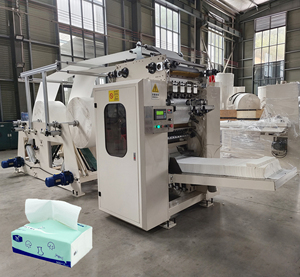
- Speed: Up to 180 m/min
- Folding Type: V-Fold / Interfold
- Control: Siemens PLC Servo
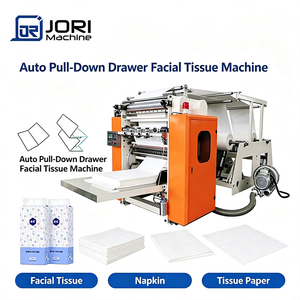
- Raw Material: Bamboo / Virgin Pulp
- Operation: Continuous V-Folding
- Feature: Eco-Fiber Softness Protection
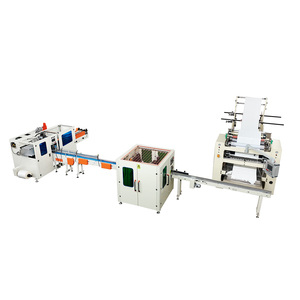
- Lanes: 5 Lanes Output
- Vacuum System: High-Flow Turbine
- Embossing: Steel to Steel / Rubber
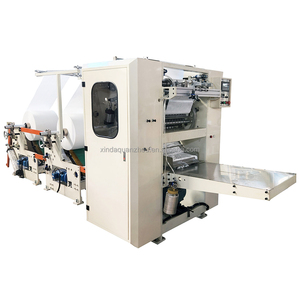
- Printing: Flexographic Color Unit
- Engine: Gear-Driven Heavy Frame
- PLC: Central Smart Interface
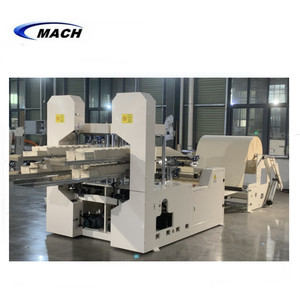
- Capacity: High Output 4 Lanes
- Folding: Precision 1/4 & Serviette
- Cutters: Pneumatic Circular Slitting
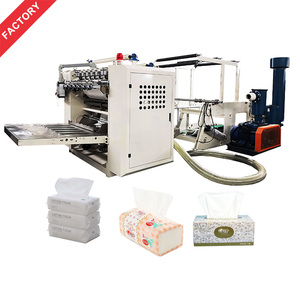
- Lines: 7 High-Speed Lanes
- Packaging: Single Soft Bag Wrapper
- Efficiency: Synchronized Inline Saw
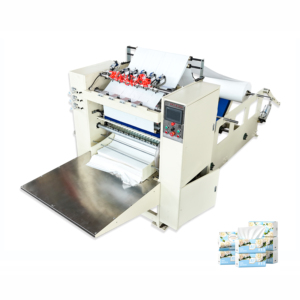
- Configuration: 3 Deck Lines
- Stacking: Automated Counter Step
- Footprint: Compact Plant Layout
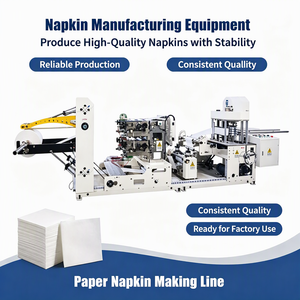
- Application: Restaurant & Commercial
- Versatility: Dual Folding Option
- Operation: Low Noise Rotary Fold
1. Technical Whitepaper: Engineering Architecture of Modern Facial Tissue Folding Lines
The global tissue paper converting industry demands unprecedented levels of mechanical precision, energy efficiency, and high-speed operational continuity. As market preferences shift toward ultra-soft, multi-ply facial tissues and eco-friendly non-woven fibers, tissue converting machinery must evolve beyond traditional mechanical linkages. A high-capacity facial tissue production line comprises several interconnected sub-systems: parent roll unwinding stand with automatic tension management, precision embossing units, longitudinal slitting mechanisms, vacuum-assisted interfolding cylinders, high-speed log saws, and automated packaging interfaces.
1.1 Kinematics of Vacuum Interfolding Technology
At the mechanical core of high-speed facial tissue folders—specifically V-fold, Z-fold, and W-fold configurations—is the differential pressure vacuum suction system. Parent rolls ranging from 13.5 gsm to 22 gsm tissue paper are pulled through slitting blades and fed to alternating suction cylinders. Advanced converting machines manufactured by leaders such as Andina Heavy Tissue Machinery S.A. utilize CNC-milled spiral vacuum ports inside hardened alloy cylinders. This engineering choice ensures uniform air displacement, preventing web breakaway or micro-tears even when operating at line speeds exceeding 180 to 220 meters per minute.
Mechanical gripping fingers operate in exact synchronicity with the vacuum release phase. As one sheet deck is held by partial vacuum, the opposing cylinder injects a targeted burst of positive air pressure while mechanical tuckers push the paper fold into the vacuum pocket of the adjacent roll. This creates a continuous interlocked stack (drawing tissue format) where pulling one sheet naturally presents the leading edge of the subsequent tissue.
Critical Engineering Benchmark: Web Tension Control
In high-speed tissue converting, web tension fluctuation is the primary cause of paper web breaks and uneven folding registration. Advanced Chinese wholesale folding machines incorporate closed-loop servo feedback systems with magnetic powder brakes and dancer rolls, maintaining web tension within a strict tolerance of ±0.15 N across variable speed ramps.
1.2 Embossing and Calendering Integration
Facial tissue tactile feel is heavily influenced by the embossing process. Modern converting lines feature modular embossing stands including steel-to-rubber, steel-to-steel, or micro-embossing rollers. Calendering units compress multi-ply tissue to achieve uniform caliper across the entire parent roll width. CNC-engraved chrome-plated steel rollers guarantee crisp pattern definition—such as floral designs, edge-embossing, or full-surface micro-patterns—without degrading paper tensile strength.
Servo-Driven Independent Decking
Each folding lane operates with individual servo motor actuation, eliminating complex gearbox mechanical backlash and reducing changeover times by 65%.
Multi-Lane Pneumatic Slitting
Individual pneumatic circular shear knives maintain razor-sharp edge cuts without dust buildup, extending blade replacement cycles up to 1,200 production hours.
Dynamic Air-Cushion Transfer
Pneumatic transfer tables ensure delicate tissue stacks move smoothly into log saw blade feeds without edge crushing or ply separation.
2. Why Source Facial Tissue Folding Machinery from Top Chinese Manufacturers?
China has firmly established itself as the world's primary manufacturing hub for paper converting equipment, combining cost competitiveness with cutting-edge robotic automation. B2B buyers evaluating Chinese facial tissue machine factories must look beyond base purchase prices and evaluate total life-cycle ROI, build quality, component sourcing, and international compliance certifications.
2.1 The Engineering Capability of Industry Pioneers
Established OEMs like Andina Heavy Tissue Machinery S.A. (founded in 1993) bring over three decades of engineering experience to global tissue producers. Operating three specialized manufacturing bases across Shanghai, Foshan, and Chengdu, Andina combines localized supply-chain agility with world-class engineering standards. Facilities feature heavy-duty CNC machining centers capable of milling solid-cast iron frame plates, ensuring structural rigidity and zero vibration deformation during continuous 24/7 operation.
- In-House CNC Machining Precision: Key components such as folding cylinders, drive shafts, and embossing rolls are machined in-house to tolerances within 0.008 mm.
- Global Quality Certifications: Full compliance with European CE directives, ISO 9001:2015 quality management systems, and UL electrical cabinet standards.
- Pre-Shipment Factory Acceptance Testing (FAT): Every converting line undergoes rigorous live testing with actual client-specified tissue parent rolls before export packaging.
2.2 Component Standardization and Reliability
Top-tier Chinese suppliers integrate internationally recognized electrical and pneumatic components into their control architectures. Equipment from leading wholesale factories utilizes Siemens or Mitsubishi PLCs, Yaskawa or Schneider servo drives, Sick photoelectric sensors, and Festo pneumatic solenoids. This hybrid engineering approach gives global buyers the structural strength of heavy Chinese steel manufacturing combined with localized access to replacement electrical parts in over 160 countries.
3. Future Procurement Trends in Tissue Converting Lines
Procurement directors and plant engineering directors must align their machinery investments with long-term consumer demand shifts, eco-regulations, and smart manufacturing initiatives. Key operational trends redefining tissue line procurement include:
1. Alternative Fiber Adaptability
Global demand for non-wood fibers (bamboo pulp, bagasse, wheat straw, and spunlace non-woven cotton) requires folders with adjustable vacuum suction parameters and anti-abrasive rollers.
2. High-Speed Modular Scaling
Modular line architectures allow paper mills to start with a 3-lane or 5-lane folder and expand up to 10 or 12 lanes as regional market share grows, minimizing initial CAPEX risk.
3. IoT Diagnostics & Smart Maintenance
Next-gen folders feature cloud-connected telemetry, permitting remote PLC monitoring, predictive blade wear alerts, and direct video diagnostic assistance from Chinese engineers.
4. Sustainable Soft-Pack Packaging
Consumer preferences favor flexible soft-pack poly wrap over rigid cardboard boxes. Modern converting lines must integrate seamlessly with high-speed soft-bag wrapping machinery.
4. Technology Evolution & Development Trends in Machine Engineering
As tissue converting technology advances, machine designers prioritize energy conservation, operational safety, and user-friendly human-machine interfaces (HMI). Key mechanical developments transforming tissue production lines include:
4.1 High-Efficiency Turbine Vacuum Systems
Traditional water-ring vacuum pumps consume large amounts of electric power and require constant water circulation. Modern high-efficiency folders utilize variable-frequency turbine vacuum blowers. This design cuts electrical power consumption by up to 35% while dynamically matching vacuum suction force to real-time machine operating speeds.
4.2 Closed-Loop Vision Inspection Systems
Inline machine vision sensors monitor tissue stack height, perforation quality, and edge embossing registration in real-time. Defective stacks are automatically rejected before entering the log saw or packaging module, preventing costly downstream jam-ups and reducing scrap rates below 0.5%.
4.3 Acoustic Enclosures and Ultra-Low Vibration
Noise pollution in tissue converting plants can exceed 85 dBA at peak speeds. Modern machine frames are cast from heavy gray iron (FC-30) and fully enclosed with sound-dampening acoustic panels, keeping factory noise levels below 75 dBA and protecting plant operators.
5. Frequently Asked Questions (FAQ) for B2B Machine Procurement
Direct technical and operational answers to help plant managers, procurement managers, and business owners evaluate facial tissue folding production lines.
1. How do I calculate ROI and Total Cost of Ownership (TCO) for a facial tissue line?
2. What are the key differences between V-fold, Z-fold, and C-fold facial tissue machines?
Z-fold / W-fold: The tissue is folded into three or four panels. This allows larger unfolded sheet dimensions while maintaining a compact box or bag footprint.
C-fold: Non-interlocked sheets folded in a traditional C-shape, primarily used for commercial hand towels rather than retail facial tissue.
3. Can a single folding machine handle both 100% virgin pulp and 100% bamboo paper?
4. What routine maintenance is required for vacuum folding cylinders and log saws?
5. What electrical, safety, and mechanical certifications should global buyers verify?
6. What installation, commissioning, and after-sales support do overseas buyers receive?
6. Partnering with Andina Heavy Tissue Machinery S.A.
Since 1993, Andina Heavy Tissue Machinery S.A. has grown to become a premier designer and exporter of complete tissue paper converting and packing solutions. Serving paper mills, private-label converters, and commercial hygiene brands in over 160 countries, our integrated converting lines deliver high uptime, low power consumption, and long mechanical lifespans.
30+ Years Industry Legacy
Over three decades of hands-on machinery design, continuously upgrading mechanical durability, electrical safety, and folding accuracy based on real-world mill feedback.
3 Dedicated Production Facilities
Over 10,000 square meters of specialized workshop space located in Shanghai, Foshan, and Chengdu, housing advanced CNC centers and heavy assembly bays.
50+ National Patents
Our engineering R&D team holds more than 50 patents covering vacuum cylinder air-flow designs, high-speed log saw blade stabilization, and automated soft-pack wrapping mechanics.
Ready to Upgrade Your Tissue Production Capacity?
Contact our application engineering team today to receive a customized plant layout, detailed machine specifications, and a competitive factory-direct proposal.