Engineering Excellence in Tissue Converting Since 1993
The global tissue paper converting sector is undergoing a profound paradigm shift. Driven by surging demands in commercial hospitality (HoReCa), eco-conscious quick-service food chains, and modern household consumer bases, tissue converters worldwide require unprecedented speed, operational stability, and minimal scrap rates. As an industry-leading manufacturer with over three decades of engineering experience, Andina Heavy Tissue Machinery S.A. presents this comprehensive white paper to provide global buyers, plant operations directors, and OEM procurers with critical insights into modern paper napkin and tissue production machinery.
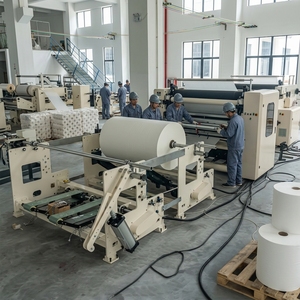
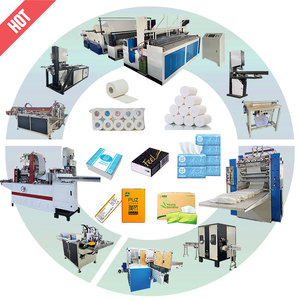
Operating out of three state-of-the-art manufacturing hubs spanning 10,000+ square meters in Shanghai, Foshan, and Chengdu, our enterprise synthesizes heavy CNC machining accuracy with real-time PLC servo synchronization. From high-speed quarter-fold napkin lines to multi-line interfolded facial tissue and toilet roll converting solutions, our equipment is currently operational across 160+ countries. This document outlines core equipment offerings, future industry technology trends, critical Total Cost of Ownership (TCO) evaluation criteria, and actionable purchasing guidance.
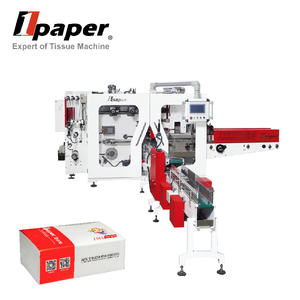
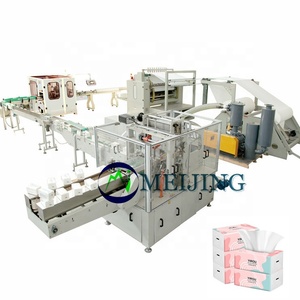
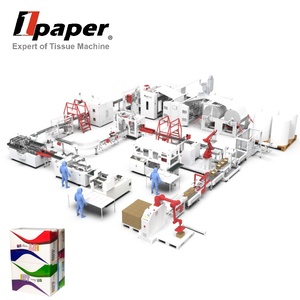
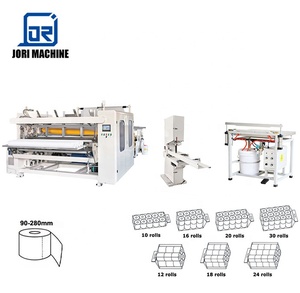
Featured Tissue Converting & Packaging Machines
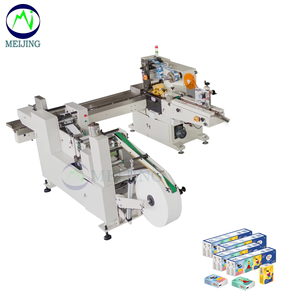
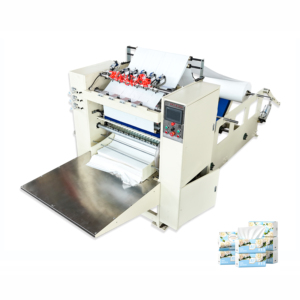
Below is our curated portfolio of high-efficiency tissue making, interfolding, rewinding, and high-speed wrapping systems. Each machine is fully customizable in embossing pattern, printing lanes, cut-off dimensions, and electrical specifications (380V/220V/415V).
In-Depth Technical Analysis: Anatomy of an Advanced Paper Napkin Line
An industrial-grade paper napkin production line is a complex integration of mechanical engineering, pneumatic control, electrical automation, and thermal sealing technologies. Understanding the operational sequence is critical for plant directors seeking to optimize Overall Equipment Effectiveness (OEE).
| Production Stage | Primary Mechanism | Engineering Specifications | Impact on Quality & Efficiency |
|---|---|---|---|
| 1. Unwinding & Tensioning | Pneumatic parent roll loading with magnetic powder brake control. | Accommodates jumbo rolls up to Ø1500mm width, 13–30 gsm, 1-3 ply paper stock. | Prevents web breakage and maintains constant lateral registration at high speeds. |
| 2. Flexo Color Printing | 1-4 Color flexographic inline printing with doctor blade systems. | Water-based eco inks; fast infrared (IR) drying tunnels; micro-adjustment registration. | Delivers crisp brand logos and decorative patterns without bleed or offset linting. |
| 3. Embossing Unit | Steel-to-Rubber or Steel-to-Steel micro/macro embossing rollers. | Heated engraving cylinders; custom geometric pattern CNC machining. | Enhances tissue bulkiness, hand-feel softness, liquid absorption, and ply bonding. |
| 4. Folding Mechanism | Vacuum-assisted folding cylinder (1/4 fold, 1/8 fold, or N/Z interfold). | High-precision helical folding knives running up to 3000 sheets/min per lane. | Ensures razor-sharp fold edges, consistent dimensions, and jam-free operation. |
| 5. Log Saw Cutting | Orbital circular log saw knife with automatic sharpening grinders. | Servo-controlled cut length adjustment (±0.5mm precision); dual-lane discharge. | Eliminates edge crush, preserving product squareness and stack aesthetic. |
| 6. Primary Packaging | Servo-driven film flow wrapper or cardboard carton packer. | Speeds up to 120 packs/min; PE/CPP soft film, tear-tape integration. | Provides airtight dust-proof seal, optimal pack tightness, and shelf presentation. |
Future Sourcing & Technology Trends in Tissue Machinery (2025–2030)
As global environmental regulations tighten and labor costs rise across traditional manufacturing hubs, tissue paper machinery procurement strategies are shifting dramatically. Buyers seeking sustainable competitive advantages must align their capital expenditure (CapEx) with four emerging trends:
1. Transition to Eco-Pulps & Non-Wood Fibers
Equipment must now process non-wood alternative fibers such as 100% bamboo pulp, sugarcane bagasse, and recycled fiber blends without tensile tear. Advanced lines utilize dynamic servo tension compensators to handle variable raw material tensile strengths seamlessly.
2. AI-Driven Visual Inspection & Predictive Maintenance
Next-generation lines integrate high-resolution optical sensors connected to edge-AI modules. These systems inspect print registration defects, embossing flaws, and cut miss-alignments in real time, automatically ejecting sub-standard packs while logging predictive maintenance data for the log saw blade and bearings.
3. High-Speed Modular Servo Flexibility
Fixed mechanical gearboxes are being phased out in favor of multi-axis absolute servo control systems (e.g., Siemens, Mitsubishi, Delta). This allows tissue converters to switch folding formats (e.g., 230mm to 300mm napkin sheet sizes) via HMI touch-screen recipes in minutes rather than spending hours swapping physical mechanical gears.
4. Eco-Plastic Free Packaging Integration
With single-use plastic bans spreading across Europe and North America, napkin packing machinery is evolving to run paper-wrapping films, biodegradable PLA materials, and craft paper bundling without melting or tearing under heat-sealing bars.
B2B Buyer Guide: How to Evaluate a China Napkin Line Manufacturer
Evaluating machinery suppliers based solely on initial purchase price often leads to hidden costs during line operation. Procurement managers must utilize a holistic Total Cost of Ownership (TCO) methodology based on the following engineering indicators:
A. Frame Rigidity & Steel Plate Thickness
High-speed converting causes structural resonance. Quality Chinese factories utilize wall plates machined from solid 20mm–30mm structural steel plates treated with stress-relieving annealing. Light gauge tubing frames will vibrate at speeds above 1000 sheets/min, destroying embossing roller alignment.
B. Pneumatic & Electrical Component Sourcing
Verify that critical electronics are sourced from international brands (e.g., Schneider electrics, Sick sensors, NSK bearings, Airtac/Festo pneumatics). This guarantees that replacement parts can be procured locally in over 100 countries without custom manufacturing delays.
C. Factory Acceptance Testing (FAT) Protocol
A reliable supplier will insist on running your target gsm paper raw material on the factory floor prior to shipment. Inspect video proof or attend in person to check log saw blade edge clean-cuts, stack count accuracy, and uninterrupted 4-hour continuous burn-in tests.
Why Partner with Andina Heavy Tissue Machinery S.A.?
Since our foundation in 1993, Andina Heavy Tissue Machinery S.A. has maintained a single-minded engineering focus: manufacturing durable, high-yield tissue converting equipment that minimizes waste and maximizes line uptime.
In-House CNC Fabrication
We do not outsource core components. Folding cylinders, embossing rollers, and log saw frames are machined in-house using high-precision CNC centers to ensure micro-level tolerance matching.
International Quality Compliance
All production line models hold full CE certification and conform to ISO9001 quality management benchmarks, ensuring seamless safety inspection approval in EU, American, and Middle Eastern plants.
IoT Remote Diagnostics Platform
Our PLC systems include secure cloud gateway connectivity. Our software engineers can assist your local operators with remote troubleshooting, parameter optimization, and firmware updates anywhere globally.
Turnkey Plant Commissioning
From facility layout design and air compressor sizing to overseas mechanical installation, electrical wiring, and operator training, we deliver end-to-end support until your commercial production starts.
Frequently Asked Questions (Procurement & Technical Guidance)
Ready to Upgrade Your Tissue Converting Plant Capacity?
Connect directly with our application engineers for custom machine sizing, plant floor layout drawings, and detailed ROI calculations.