High-Efficiency Tissue Converting & Packaging Machinery
Explore our CE-certified napkin machinery, facial tissue lines, toilet paper rewinders, and high-speed packaging equipment. Engineered for continuous duty cycle and maximum overall equipment effectiveness (OEE).
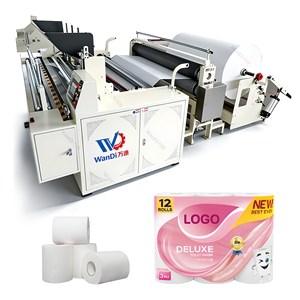
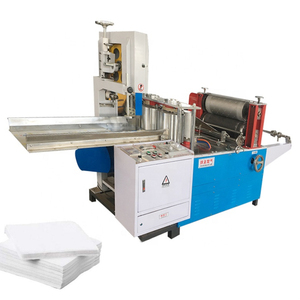
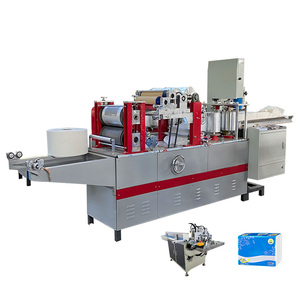
Engineering Architecture of CE Certified Embossed Napkin Converting Lines
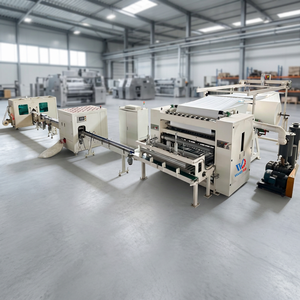
In the modern tissue paper manufacturing ecosystem, the demand for high-speed, precision-engineered napkin making machinery has escalated globally. A CE Certified Embossed Napkin Machine represents the synthesis of mechanical robustness, pneumatic accuracy, intelligent automation, and strict adherence to European safety standards (Directive 2006/42/EC and EN ISO 12100). As premium tissue exporters and wholesalers, providing machinery that meets these rigorous parameters requires an in-depth understanding of web handling, embossing metallurgy, and synchronisation electronics.
1. Advanced Embossing Metallurgy & Impression Mechanics
The core value proposition of an embossed napkin lies in its tactile softness, bulk density, visual appeal, and structural ply bonding. Modern converting systems utilize two primary embossing configurations: Steel-to-Rubber and Steel-to-Steel embossing rollers.
High-precision laser engraving on heavy-duty seamless steel tubes ensures uniform pattern depth across paper webs ranging from 13 gsm to 28 gsm per ply. Heating units integrated into embossing rolls can further enhance pattern permanence, particularly for high-density virgin wood pulp or bamboo pulp raw materials. Dynamic pneumatic or hydraulic pressure controls allow operators to adjust nip pressure dynamically without stopping the machine, ensuring uniform caliper retention without puncturing the web balance.
2. Tension Control, Web Guiding, and Unwind Stand Dynamics
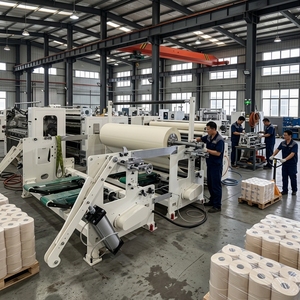
Continuous converting speed—reaching between 1,200 to 3,500 sheets per minute depending on lane count—demands precise unwind web tension management. Machines are configured with magnetic powder brakes or vector-frequency driven unwind belts. Coupled with Photoelectric Edge Position Control (EPC) systems, raw parent rolls are continuously auto-aligned to prevent web deviation prior to folding and slitting.
Three Decades of Manufacturing Mastery: Andina Heavy Tissue Machinery S.A.
Since 1993, Andina Heavy Tissue Machinery S.A. (Andine Tissue Machine) has established itself as an authoritative global manufacturer of complete tissue paper converting and packaging automation lines. Operating across 3 state-of-the-art production bases in Shanghai, Foshan, and Chengdu, our infrastructure spans over 10,000 square meters of specialized assembly workshops and precision CNC machining centers.
- ✓ Over 30 Years of R&D Expertise: Serving tissue paper converters and wholesale suppliers across 160+ countries and regions globally.
- ✓ Robust Patent & Regulatory Portfolio: Holds 50+ national patents, full ISO 9001 quality management system, and CE compliance certificates.
- ✓ In-House CNC Machining Precision: Critical mechanical components, log saw blades, and folding cylinders are machined internally for exact tolerances.
- ✓ Integrated IoT Diagnostics & Remote Service: Smart cloud monitoring modules allow remote parameter tuning, fault diagnosis, and software upgrades worldwide.
Production Capacity & Capabilities
No. 9881 Songze Road, Qingpu Industrial Zone, Shanghai, China
300+ specialized mechanical engineers, PLC software designers, and international field service technicians.
Configurable soft-pack, cardboard box, single roll wrapping, bundle packing, and e-commerce bulk cartoning.
End-to-end support including factory layout layout engineering, operator training, FAT/SAT testing, and lifetime spare parts provision.
Global Procurement & Strategic Trends for Embossed Napkin Machinery
As commercial tissue buyers, hotel chains, quick-service restaurants (QSR), and retail brands seek sustainable and cost-efficient paper solutions, B2B procurement of napkin machinery is undergoing structural shifts.
1. High-Speed Multi-Lane Scalability
Procurement teams are prioritizing high-lane napkin production lines (2-lane, 4-lane, 6-lane, up to 8-lane converting systems) capable of speeds up to 3,500 napkins/min. High-speed multi-lane equipment lowers factory energy consumption per ton of finished paper, reducing overall operational costs.
2. Rapid Quick-Changeover Embossing Units
Custom branding, seasonal promotional logos, and diverse embossing patterns require rapid cassette-type roller changeovers. Modern machine designs allow operators to swap embossing cassettes within 30 to 45 minutes, dramatically minimizing production downtime for contract manufacturers.
3. Sustainable Pulp & Low-GSM Flexibility
With environmental regulations emphasizing recycled pulp, unbleached kraft paper, and non-wood fibers such as bamboo, modern converting machinery must handle varied tensile strength, fiber lengths, and moisture ratios without sheet tearing or jamming.
Key Industry Development Trends in Tissue Converting Automation
Full Servo Motion Control Architecture
Legacy mechanical gear-driven machines are being replaced by multi-axis servo motor systems (e.g., Siemens or Beckhoff drives). Servo motors eliminate mechanical backlash, streamline folding timing adjustments via touchscreen interfaces, and reduce mechanical wear and maintenance costs.
Automatic Online Packaging Integration
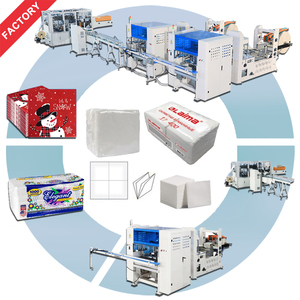
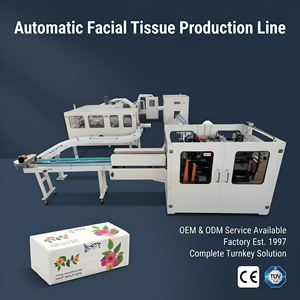
Leading napkin processing plants are moving away from manual collection. Fully automated converting lines link napkin folders directly with high-speed bundle wrappers, soft pack film wrappers, or box cartoning units through servo stackers, lowering labor costs and human contamination risk.
AI-Powered Optical Defect Inspection
Integrating high-resolution CCD cameras above the folding deck allows immediate online detection of paper holes, spot contamination, embossing misalignment, or defective cut edges. Defective items are auto-ejected at full operational speed without stopping the main line.
Frequently Asked Questions (FAQ) for Machine Buyers & Wholesalers
Essential technical and commercial insights for factory managers, purchasing directors, and tissue converting startups.
Which napkin fold types can your machines produce?
What does CE certification entail for an embossed napkin machine?
How do steel-to-rubber and steel-to-steel embossing units differ?
Can the machine handle printing logo options on napkins?
What raw material paper specs are recommended?
What after-sales service and technical support are provided overseas?
Request a Custom Technical Proposal & Factory Quote
Connect directly with our application engineers. We will analyze your target tissue products, output goals, tissue GSM, and factory footprint to engineer an optimal converting solution.