Choosing a Tissue Paper Machine in 2026 is not a catalogue exercise. It is a mill-floor decision, shaped by furnish, target basis weight, available utilities, and the products customers actually buy. A line that looks impressive in a brochure may struggle with frequent grade changes or limited operator support. Small details matter: the reel diameter, the control-room layout, and how quickly crews can reach wear parts.
For this draft, mill engineer Alex Morgan is a representative expert voice, not a cited interviewee. The guiding principle is: “Choose the machine your mill can run reliably, not merely the one with the highest advertised speed.” That distinction deserves scrutiny. A faster design may raise output, but only when stock preparation, drying capacity, converting, and maintenance can keep pace. Buyers should compare usable production, energy demand, automation, service access, and documented performance on similar grades. Ask for references, trial data, and clear assumptions behind every guarantee.
This guide examines those questions in practical terms. It explains how to match machine configuration with tissue grades, production goals, and site constraints. It also considers supplier experience, lifecycle costs, operator training, and future flexibility. No single specification settles the choice. Real mills are messier than comparison tables suggest, and estimates can miss that. A careful evaluation helps reveal the trade-offs before they become expensive surprises.
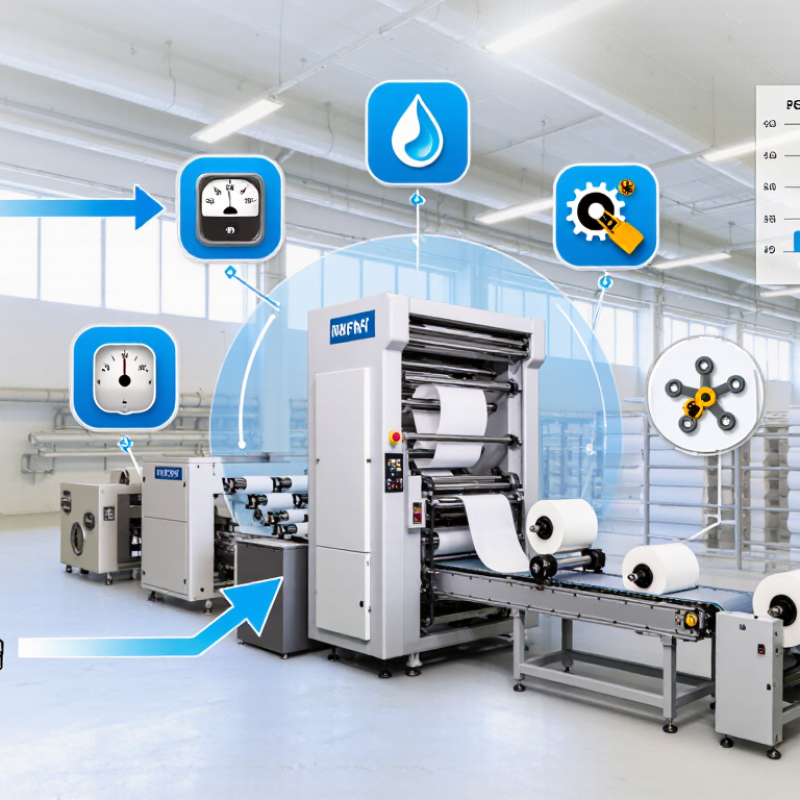
Tissue grades commonly range from 10–40 g/m², but that number describes only the sheet’s basis weight. At 10–15 g/m², tissue feels light and delicate, so small changes in fiber mix, moisture, or machine tension can affect runnability. Higher grades, around 30–40 g/m², generally feel sturdier and may suit applications requiring more body. Feel matters.
Before selecting a machine, define the grades you expect to produce and how often you will switch between them. A narrow range can simplify forming, drying, and reel handling. A wider range may require more adjustable controls and careful process trials. Check whether the machine can maintain even formation at the light end without frequent web breaks. Inspect sample rolls for soft edges, uniform thickness, and consistent winding.
Basis weight alone can mislead. Two sheets with the same g/m² may differ in softness, absorbency, bulk, and strength because of furnish and creping choices. Ask for trial results using representative pulp, target speeds, and finished-roll dimensions. Record break frequency and usable output, not just the best-looking sample. A machine that reaches 10 g/m² briefly but struggles to run steadily may not meet production needs. I would also leave room for adjustment; the first grade plan is rarely perfect.
A tissue machine’s daily target should start with orders, not its advertised maximum. Mordor Intelligence’s Tissue Paper Market report estimated a global market value of USD 87.38 billion in 2024, rising to USD 108.59 billion by 2029. This signals continued market growth, but it cannot predict demand in your delivery area. That gap matters. Map customer forecasts, seasonal peaks, product grades, and competing supply before setting tonnes per day.
For example, confirmed sales of 60 tonnes daily equal 19,800 tonnes yearly across 330 production days. Then account for downtime and quality losses. At 90% effective output, producing 60 saleable tonnes requires about 67 tonnes of rated daily capacity. Add 10% headroom for a realistic growth scenario, and the target becomes roughly 73 tonnes per day. Treat this as a planning case, not a universal rule. A machine making the wrong basis weight or reel width can miss demand despite ample tonnage. Compare expected grade mix with actual customer specifications, and check whether converting, storage, and transport can handle peak output. Forecasts are imperfect; revisit them when orders or customer commitments change.
For a tissue machine in 2026, choose the forming method around the product, not a headline speed. A crescent former forms the web between a forming fabric and a felt, then removes water through pressing and heated drying. It suits conventional bathroom tissue and facial grades where steady output and lower energy demand matter. Through-air drying (TAD) pulls heated air through the web instead of relying on heavy pressing. The result can be a thicker, more open sheet. TAPPI technical literature reports TAD drying energy can be roughly two to three times that of conventional tissue drying, although grade and mill conditions change the comparison. That difference shows up on the utility bill.
Look closely at the sheet, too. A TAD towel’s visible loft and soft, textured surface can support premium positioning; a crescent-formed sheet may be the more practical choice for high-volume, cost-sensitive grades. U.S. Department of Energy process analyses identify drying as a major energy load in papermaking, so compare measured energy per ton, not just machine output. Ask suppliers for trials using your furnish and target basis weight. Check moisture profiles, dust, and reel quality. The test can be messy. One caveat: TAD’s extra bulk does not automatically mean better absorbency or a better product; end-user testing should decide.
| Decision Factor | Crescent Former | Through-Air Drying (TAD) |
|---|---|---|
| How the sheet is formed and dried | A headbox delivers stock between a forming fabric and a rotating breast roll. Water is removed through the fabric, followed by pressing and drying on a Yankee dryer. | A structured fabric carries the wet web through a through-air dryer. Heated air passes through the sheet to remove moisture, commonly followed by Yankee drying and creping. |
| Typical product positioning | Suitable for a broad range of tissue grades, including bath tissue, facial tissue, and paper towels, depending on furnish, machine configuration, and converting requirements. | Often selected for premium, high-bulk tissue and towel grades where softness, absorbency, and a distinctive open structure are priorities. |
| Bulk and sheet structure | Generally produces a more compact sheet structure. Final bulk can be adjusted through furnish selection, pressing, creping, and other process settings. | Typically preserves a more open, bulky sheet structure because the web is supported during drying with less reliance on conventional wet pressing. |
| Softness and absorbency potential | Can deliver competitive softness and absorbency; results depend on fiber blend, refining, creping, embossing, and product design. | Can offer high softness and absorbency potential, particularly for products designed to benefit from greater bulk and an open sheet structure. |
| Energy considerations | Uses mechanical dewatering and Yankee-cylinder drying. Energy demand varies with furnish, production targets, machine design, and operating conditions. | Requires energy to heat and move process air through the web. The through-air drying system can increase thermal and electrical demand; actual use depends on heat recovery and system design. |
| Capital and system complexity | Typically has a more conventional tissue-machine arrangement, though investment varies with capacity, automation, stock preparation, and finishing scope. | Requires through-air drying equipment, airflow handling, and associated controls. This can add equipment complexity and investment compared with a conventional forming and drying arrangement. |
| Operating and maintenance focus | Key considerations include fabric condition, forming performance, press and Yankee operation, hood systems, and creping equipment. | In addition to tissue-machine components, attention is needed for the structured fabric, airflow distribution, dryer system, fans, and heat-recovery equipment. |
| Product and process flexibility | Offers a versatile platform for multiple tissue grades; grade changes and achievable properties depend on the machine configuration and process controls. | Best aligned with product portfolios that can use the added bulk and absorbency potential. Grade flexibility depends on the machine design and the intended operating range. |
| Best fit when… | You need a versatile tissue platform and want to balance product quality, operating requirements, and investment for a range of conventional grades. | Your target market values premium softness, absorbency, and bulk, and the expected product value can support the additional system requirements. |
| What to verify before choosing | Request grade-specific performance guarantees, furnish assumptions, energy estimates, water and effluent requirements, and reference results for comparable products. | Request grade-specific performance guarantees, dryer energy and airflow estimates, heat-recovery details, fabric life assumptions, and reference results for comparable products. |
Note: These are general process comparisons, not guaranteed performance figures. Actual product properties, energy use, output, investment, and operating costs depend on machine design, furnish, target grades, mill utilities, and operating practice. Compare supplier proposals using the same product specifications and boundary conditions.
How to Choose a Tissue Paper Machine in 2026
A high-speed tissue machine can exceed 2,000 meters per minute, but peak speed alone does not tell you how much saleable paper it will produce. Ask suppliers for sustained operating data on comparable grades, basis weights, and sheet widths. A machine running fast during a short test may behave differently across a full production shift. Small web breaks add up. Check how quickly operators can restore the sheet and how often breaks occur under normal conditions. I would not treat one impressive speed figure as proof of a good fit.
Tips: Compare saleable output, not just design speed. Request production records, energy use per tonne, and details about downtime. Check that your pulping, drying, winding, and converting equipment can keep pace. A fast machine can create a bottleneck elsewhere.
Also consider the grades you expect to make and how often you will change them. Frequent grade changes can reduce effective output, even on a line rated above 2,000 meters per minute. Ask how controls manage tension, moisture, and sheet quality at high speed. Visit a comparable operating site if possible, and observe a full shift. The visit may reveal practical issues that a specification sheet misses. Estimates still need scrutiny. Ask for assumptions in writing, then compare them with your floor space, utility capacity, staffing, and maintenance resources.
When choosing a tissue paper machine in 2026, translate product claims into repeatable tests. ISO 12625 provides a useful framework: Part 3 covers thickness and bulk, Part 4 tensile strength, Part 5 wet tensile strength, and Part 8 water absorption. Ask suppliers to test finished sheets, not just parent rolls. A soft handfeel can hide weak wet strength. Check machine settings against the grades you actually sell.
Use a documented test plan. For each grade, record basis weight, caliper, dry and wet tensile strength, and absorption time. Keep samples from trial runs, then compare results across shifts. Smithers’ The Future of Global Tissue to 2029 forecasts continued market growth, making consistent quality important as production scales. But growth forecasts do not specify your product targets. Set those from customer requirements and measured samples. Get the test method, conditioning, sample count, and acceptance limits in writing. Small details matter. A result without test conditions is hard to trust. One caution: ISO testing helps compare performance, but it cannot decide what “soft enough” means for your buyers. That part still needs judgment, and sometimes a second trial.
The bars count test-method parts in ISO 12625-3 through ISO 12625-13, grouped by their primary measurement area. They are not performance scores. When comparing machines, identify the tissue properties your product must meet, then check that your quality-control plan can test them—for example, tensile and bending properties, grammage and thickness, water absorption, optical properties, or roughness.
Source basis: ISO 12625 test-method part titles and scopes; grouped counts are derived from Parts 3–13.
Common tissue grades range from 10–40 g/m². Lighter sheets, around 10–15 g/m², can be delicate and sensitive to tension or moisture changes. Heavier grades, around 30–40 g/m², generally feel sturdier. Define your likely grade range before comparing machines.
No. Sheets with the same basis weight can differ in softness, absorbency, bulk, and strength. Check sample rolls for even thickness, soft edges, and consistent winding. Feel matters.
Use representative pulp, target speeds, and finished-roll dimensions. Record web breaks, usable output, and how steadily the machine runs. A brief successful test is not enough. The best-looking sample may not reflect a full shift.
Start with confirmed demand, then allow for downtime and quality losses. For example, 60 saleable tonnes per day at 90% effective output requires about 67 tonnes of rated capacity. A 10% growth allowance brings that planning target to roughly 73 tonnes daily. These figures are assumptions, not guarantees.
No. Some high-speed tissue machines can exceed 2,000 meters per minute, but peak speed does not equal saleable output. Ask for sustained operating records on comparable grades and widths. Small breaks add up.
Frequent changes can reduce effective output, even on a fast line. Ask how the controls manage tension, moisture, and sheet quality across your planned grades. I would leave room for adjustment; the first grade plan is rarely perfect.
Check that pulping, drying, winding, and converting can keep pace with expected output. Review floor space, utilities, staffing, maintenance, storage, and transport. A fast machine can create a bottleneck elsewhere.
No. A global forecast cannot predict demand in your delivery area. Compare customer orders, seasonal peaks, grade requirements, and competing supply. Revisit the estimate when commitments change. Forecasts get things wrong.
Choosing a Tissue Paper Machine in 2026 starts with defining the products you plan to make. Tissue grades commonly range from 10 to 40 g/m², and the intended applications will influence the machine configuration and quality targets. Next, estimate demand and set a production capacity in tonnes per day that fits your market, allowing room for realistic operating needs and future growth.
Compare forming methods, including the crescent former and through-air drying, based on the tissue characteristics and production goals you require. Line speed is another key consideration: high-speed machines can exceed 2,000 m/min, but speed should be assessed alongside efficiency and consistent output. Finally, match your quality requirements to the relevant tests in the ISO 12625 tissue-test series. Evaluating these factors together can help you select equipment suited to both your product plans and operational targets.