Green, Energy-Efficient Tissue Converting Since 1993 [email protected]
EN
0%

A tissue mill does not buy speed in isolation. It buys saleable tonnes, consistent sheet quality, and hours of dependable operation. In 2026, choosing a Tissue Making Machine means balancing those outcomes against fiber costs, energy use, labor skills, and the grades customers actually order. The details matter: a machine’s advertised capacity means little if frequent grade changes, unstable basis weight, or limited converting capacity slow the line.

Smithers’ industry report, The Future of Tissue Paper to 2029, examines global demand, production, and regional market shifts. Its outlook reinforces a practical point: buyers should assess local demand and product mix before sizing a new line. Review the report’s assumptions alongside your own sales forecasts; market averages cannot predict an individual mill’s orders. Esko Uutela, a respected tissue-market analyst, has studied these demand patterns. A paraphrased buying principle from that market-led perspective is: “Choose capacity for the demand you can serve, not the speed on the brochure.”

Then compare machine concepts against measurable requirements: target speed at saleable quality, furnish flexibility, energy per tonne, water management, changeover time, and service support. Ask suppliers for reference-mill results and clarify how those figures were measured. A test run on paper is not the same as proven performance on your furnish. That distinction is easy to miss.

This guide outlines how to evaluate those trade-offs, verify supplier claims, and build a realistic investment case. The best choice may not be the fastest machine. It should fit the mill you have—and the market you can credibly reach.
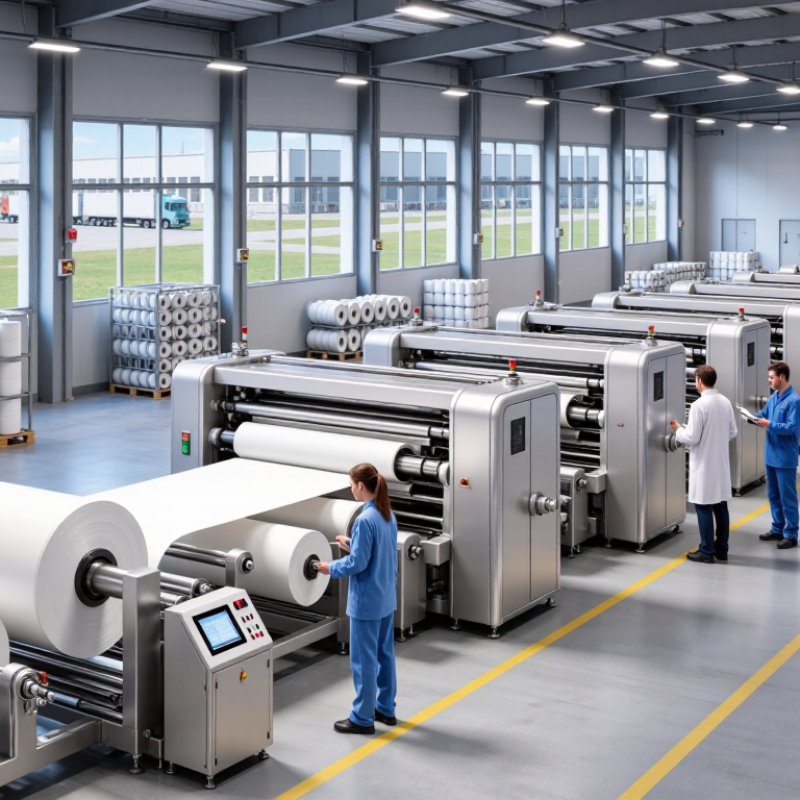
How to Choose a Tissue Making Machine in 2026?

Understanding Tissue Making Machines and Their Main Types

How to Choose a Tissue Making Machine in 2026?
Understanding Tissue Making Machines and Their Main Types

A tissue making machine may form paper from pulp, or convert large parent rolls into finished products. These are different stages, even though suppliers sometimes use similar terms. That distinction matters. A paper machine produces a wide, delicate sheet that is wound into a jumbo roll. A converting line then cuts, embosses, folds, or rewinds that roll for sale.

At the paper-making stage, conventional crescent-former machines are common for producing soft tissue at established speeds. Through-air-dried systems use heated air to dry the sheet and can create a bulkier, more absorbent feel. The trade-off may include higher energy use and more demanding operating requirements. For finished goods, roll-tissue lines make products such as toilet paper and kitchen rolls. Folding lines produce facial tissues, napkins, or hand towels. Some lines handle several formats, but changeovers can take time.

Start with the product, not the machine name. Check sheet width, basis weight, target output, available floor space, and the pulp or recovered fiber you plan to use. Ask for measured output under conditions close to your own; a quoted maximum may not reflect everyday production. Watch how rolls change and how rejects are handled. Small details matter. The terminology can be messy, and no single machine type suits every mill. A neat sample does not reveal maintenance needs or energy costs. Those deserve careful questions.

How to Choose a Tissue Making Machine in 2026?

Typical basis-weight ranges for common tissue products

Basis weight is one factor when matching a machine to its target grades. These indicative ranges vary by product specification and market; also compare forming technology, required capacity, energy use, and furnish.

Defining Your Production Needs and Tissue Product Specifications

Before comparing tissue-making machines, define the products you plan to sell. Specify sheet count, ply, basis weight, roll width, core diameter, and finished package size. These details shape machine configuration and affect how much usable tissue each parent roll produces. Estimate monthly demand, then allow for changeovers, maintenance, and ordinary production losses. A capacity figure on paper is not the same as steady output on your floor. Measure your current orders, too. A rough estimate is better than pretending demand is perfectly predictable, but revisit it as sales change.

Consider the tissue itself. Facial tissue may need a softer feel and precise folding, while toilet rolls require dependable winding and consistent perforation. Napkins have different folding and cutting needs. Confirm that the machine can handle your selected paper grades and product dimensions. Ask for a trial using comparable material, and check finished samples for tear quality, fold alignment, and roll firmness. Small defects can become costly when repeated across thousands of packs.

Tips: Write down your target products and acceptable size tolerances before requesting quotations. Compare quoted output under similar conditions, not just maximum speed. If you are unsure about one specification, mark it for testing rather than guessing.

Comparing Machine Capacity, Automation, Energy Use, and Quality

How to Choose a Tissue Making Machine in 2026?

Compare capacity using saleable output, not only the rated speed on a specification sheet. Check the expected tons per day, working width, and planned product range. A machine running quickly may still lose output through frequent breaks or long grade changes. Ask for production figures under conditions close to your own. Numbers can mislead.

Automation should match the crew’s skills and maintenance resources. Automated tension control, defect monitoring, and recipe settings can reduce variation and make changeovers more repeatable. But more sensors also mean more components to calibrate and maintain. Watch a changeover in real time, and ask how operators handle alarms. That matters.

Energy use deserves a close look. Compare electricity, steam, and vacuum demand per ton of finished tissue, rather than relying on a single energy figure. Then inspect samples for basis-weight consistency, moisture, softness, and tensile strength. Request trial data across more than one grade. I would not let a neat spreadsheet make the decision alone; it cannot show every operator’s learning curve or the effect of unstable incoming pulp. A little uncertainty remains, even with good measurements.

How to Choose a Tissue Making Machine in 2026? - Comparing Machine Capacity, Automation, Energy Use, and Quality

Comparison factor Compact / entry-level line Mid-capacity line High-capacity line What to check before choosing
Indicative machine speed About 600–1,200 m/min About 1,200–1,800 m/min About 1,800–2,200 m/min or more for some designs Compare guaranteed operating speed—not just design speed—and confirm the speed is achievable for your intended furnish and grade.
Typical trim-width class About 2–3.5 m About 3.5–5.5 m About 5.5–7 m or wider Check usable trim width, edge-trim losses, reel handling limits, and whether the converting equipment can accept the parent reels.
Indicative output capacity Often planned for tens of tonnes per day Often planned for several dozen to over 100 tonnes per day Can exceed 100 tonnes per day; larger lines may produce substantially more Treat capacity as grade- and uptime-dependent. Request guaranteed saleable tonnes per day at a stated basis weight, trim width, speed, and operating efficiency.
Capacity calculation Approximate gross output (t/day) = speed (m/min) × trim width (m) × basis weight (g/m²) × 1,440 ÷ 1,000,000. Apply operating efficiency and trim-loss adjustments to estimate saleable output. Use the same assumptions when comparing quotations. For example, a faster machine is not necessarily more productive if it runs fewer hours or makes more broke.
Common tissue basis-weight range Many tissue grades fall roughly within 12–40 g/m² per ply; the suitable range depends on product design and market requirements. Confirm the machine can maintain the required basis weight and profile across the full trim width for each target grade.
Automation level Basic drive and process controls; more manual monitoring and adjustments may be needed. Typically includes integrated drive, tension, and process control; some quality measurements may be online. Often designed for centralized control, online measurement, automated reel handling, and reduced routine operator intervention. Compare included sensors, controls, alarms, data logging, remote diagnostics, and the staffing and maintenance skills required.
Energy use There is no single reliable energy figure for a machine class: electricity and thermal energy depend on the process design, furnish, grade, speed, and site conditions. Tissue production uses both electrical power and heat, commonly supplied as steam to the drying section. Request separate guaranteed figures for electricity (kWh per tonne) and thermal energy (GJ per tonne or steam per tonne), with the measurement boundary and product assumptions stated.
Energy-efficiency features Efficient motors, correctly sized drives, and heat recovery can reduce avoidable consumption. May combine variable-speed drives, condensate and heat recovery, and optimized hood or ventilation systems. Potential for advanced heat recovery and process optimization; benefits depend on the complete mill and utility system. Compare energy at the same grade, output rate, and system boundary. Include steam generation, vacuum, and auxiliaries consistently.
Quality control May rely more on offline sampling and operator adjustments. Online basis-weight and moisture measurement may help stabilize the sheet profile. More comprehensive online measurement and process control may support consistent production at higher speeds. Specify acceptance tests for basis weight, moisture, strength, softness, absorbency, reel quality, and variability—not just average output.
Best-fit production situation Lower investment level, smaller output needs, or multiple specialized grades. Balanced output and flexibility for a broad range of tissue products. Large, consistent demand that can keep the line and downstream converting equipment well utilized. Match the machine to forecast demand, available utilities, workforce capability, converting capacity, and planned maintenance stops.

Note: Speed, width, and capacity figures are indicative planning ranges, not specifications for a particular machine. Actual performance varies by machine configuration, furnish, grade, operating conditions, and uptime. Confirm all figures and guarantees against a detailed technical proposal and acceptance-test conditions.

Evaluating Costs, Compliance, Supplier Support, and Maintenance

How to Choose a Tissue Making Machine in 2026?

A machine’s purchase price tells only part of the story. Compare total costs, including installation, operator training, energy use, tooling, and expected downtime. Ask suppliers for realistic output figures using your intended tissue grade and sheet size. A high-speed estimate may assume ideal conditions. Your production floor probably won’t be ideal.

Compliance deserves a close review. Check applicable safety, electrical, emissions, and product-quality requirements for your location before signing a contract. Request written documentation and clarify who provides updates if standards change. Details matter. Supplier support matters just as much: confirm response hours, technician availability, spare-parts lead times, and training format. A helpful sales call is not the same as dependable service after installation.

Maintenance needs to fit your team’s skills and schedule. Ask how often blades, belts, bearings, and vacuum components need inspection, and whether routine work requires special tools. Request a sample maintenance plan and a list of recommended spare parts. In practice, a tidy spreadsheet can hide awkward realities, such as a long wait for one inexpensive sensor. Leave room in your budget and schedule for such surprises.

Selecting and Verifying the Right Machine for Your Operation

How to Choose a Tissue Making Machine in 2026?

Selecting and Verifying the Right Machine for Your Operation

Choosing a tissue making machine starts with defining the job. Are you producing tissue paper from pulp, or converting parent rolls into folded or rolled products? These operations require different equipment. List your target sheet size, ply count, tissue grade, and expected daily output. Then compare those needs with the machine’s stated capacity. A fast headline speed means little if your usual paper weight causes frequent breaks. Small details matter.

Verify performance with a practical trial, not a brochure alone. Ask for documented output at your target paper weight and product dimensions. If possible, run your own parent roll through the machine and inspect the finished sheets. Check edge alignment, perforation quality, rejected product, and changeover time. Watch how operators clear a jam and access routine maintenance points. Run it yourself. A short test may not reveal every production problem, so record what remains uncertain.

Tips: Bring a sample of your intended paper and a written product specification. Request a list of wear parts, maintenance intervals, and utility requirements. Check whether the floor space allows safe roll loading and material movement. If quoted capacity seems unusually high, ask what conditions were used to measure it. A slower, repeatable line may fit your operation better than a faster machine that needs constant adjustment.

FAQS

What is the difference between a tissue paper machine and a converting line?

A paper machine forms a wide sheet from pulp and winds it into a parent roll. A converting line turns that roll into finished products by cutting, folding, embossing, or rewinding it.

Which machine types make different tissue products?

Crescent-former machines make soft tissue paper. Through-air-dried systems can produce bulkier, more absorbent sheets, but may use more energy. Roll lines make toilet or kitchen rolls, while folding lines make facial tissues, napkins, or hand towels.

What product details should I decide before choosing equipment?

Define sheet count, ply, basis weight, roll width, core diameter, and package size. Also check your target tissue grade and acceptable size tolerances. Write them down.

How can I estimate the machine’s real production capacity?

Compare measured output under conditions close to your own, including your paper grade and sheet size. Allow for changeovers, maintenance, and production losses. Maximum speed is not steady output.

What should I inspect in a machine trial?

Use comparable material and examine tear quality, fold alignment, and roll firmness. Watch roll changes and how rejects are handled. A neat sample can hide problems.

What costs should I include beyond the purchase price?

Include installation, training, energy, tooling, and expected downtime. Ask for realistic output estimates, not only ideal-speed figures. I may be underestimating changeover time.

What should I check about compliance and supplier support?

Confirm local safety, electrical, emissions, and product-quality requirements before signing. Request written documentation. Check service hours, technician availability, spare-parts lead times, and training options. Sales promises are not service.

How can I plan for maintenance?

Ask how often blades, belts, bearings, and vacuum parts need inspection. Check whether routine work needs special tools, and request a maintenance plan and spare-parts list. Leave room for delays.

Conclusion

Choosing the right Tissue Making Machine in 2026 starts with understanding the available machine types and matching them to your planned products, such as facial tissue, toilet rolls, or napkins. Define your expected output, product dimensions, sheet count, and quality standards before comparing equipment. These requirements help determine the capacity and configuration that will suit your operation without investing in features you do not need.

Next, assess automation, energy consumption, production consistency, and the machine’s ability to maintain the desired tissue quality. Compare the full cost of ownership, including installation, maintenance, spare parts, and training, and confirm that the equipment meets relevant safety and environmental requirements. Review the supplier’s technical support and maintenance arrangements, then verify key specifications through documentation, demonstrations, or production trials. A careful evaluation will help you select a machine that fits your budget, workforce, and long-term production goals.

Oliver

Oliver

Oliver is a dedicated marketing professional with a strong understanding of the company’s products and the needs they are designed to meet. He combines product knowledge with clear, practical communication, helping readers understand key features, applications, and considerations when evaluating......